
Slag Crusher Plant Trading Company Brochure: A Comprehensive Guide to Industrial Slag Processing Solutions
Introduction
In the modern industrial landscape, the efficient management of by-products from metallurgical processes is not merely an operational necessity but a strategic imperative. Among these by-products, slag—generated during steelmaking, smelting, and other high-temperature industrial operations—represents a significant material stream with substantial economic and environmental implications. A slag crusher plant trading company brochure serves as a critical informational and marketing tool for businesses that supply the machinery, systems, and integrated solutions required to process this challenging material. This article provides a detailed, professional, and objective examination of what such a brochure should encompass, the technical and commercial dimensions of the slag crushing industry, and the value proposition that a specialized trading company offers to its clients. By exploring the components, benefits, and operational considerations of slag crusher plants, this guide aims to serve as a comprehensive resource for industry stakeholders, procurement managers, and engineers seeking to understand the role and offerings of a slag crusher plant trading company.
The Nature and Challenge of Slag Processing
Slag is a non-metallic by-product produced during the smelting of ores in blast furnaces, steel furnaces, and non-ferrous metallurgical operations. Depending on the source, slag can be classified as blast furnace slag, steel slag, copper slag, or other types. Its physical and chemical properties vary widely, but it is typically hard, abrasive, and may contain residual metals. These characteristics make slag both a valuable resource—when properly processed—and a challenging material to handle.
The primary objectives of slag processing are threefold: recovery of valuable metals, production of reusable aggregates for construction and civil engineering, and reduction of environmental burden associated with stockpiling. To achieve these objectives, a slag crusher plant is employed. This plant typically comprises a combination of feeding, crushing, screening, magnetic separation, and conveying equipment. The trading company that supplies such plants acts as an intermediary between manufacturers of individual components and end-users, offering integrated solutions, technical expertise, and after-sales support.
Core Components of a Slag Crusher Plant
A typical slag crusher plant includes several key units, each of which must be carefully selected based on the specific characteristics of the slag and the desired end products. A trading company brochure should detail these components with technical clarity.
Feeding System: The feeding system ensures a consistent and controlled flow of raw slag into the crushing circuit. Vibrating feeders or apron feeders are commonly used to handle the abrasive and heavy nature of slag. The brochure should specify the capacity range (e.g., 50 to 500 tons per hour) and the robustness of the feeder construction.
Crushing Equipment: This is the heart of the plant. Depending on the slag’s hardness and the required product size, different crushers may be employed. Jaw crushers are often used for primary crushing, while cone crushers or impact crushers may serve as secondary or tertiary units. For very hard slag, high-chrome or manganese steel liners are essential. The brochure should explain the rationale for selecting a particular crusher type based on feed size, moisture content, and abrasiveness.
Screening Equipment: Vibrating screens classify crushed slag into various size fractions. Multi-deck screens allow simultaneous production of multiple grades. The brochure should highlight the screen’s amplitude, frequency, and mesh options, as well as its resistance to blinding and wear.
Magnetic Separation: A critical step for metal recovery. Overband magnets, drum magnets, or eddy current separators are used to extract ferrous and non-ferrous metals. The efficiency of magnetic separation directly impacts the economic viability of the plant. The brochure should provide data on recovery rates and the purity of recovered metals.
Conveying System: Belt conveyors transport material between units. The brochure should note the belt width, speed, and material of construction (e.g., abrasion-resistant rubber) to ensure durability.
Control System: Modern plants are equipped with PLC-based control panels for automation, monitoring, and safety. The brochure should describe the level of automation, remote monitoring capabilities, and data logging features.
The Role of a Trading Company
A slag crusher plant trading company does not typically manufacture every component in-house. Instead, it sources equipment from reputable manufacturers, integrates the systems, and provides a single point of contact for the client. This model offers several advantages:
A well-designed brochure should clearly articulate these value-added services, distinguishing the trading company from a mere equipment reseller.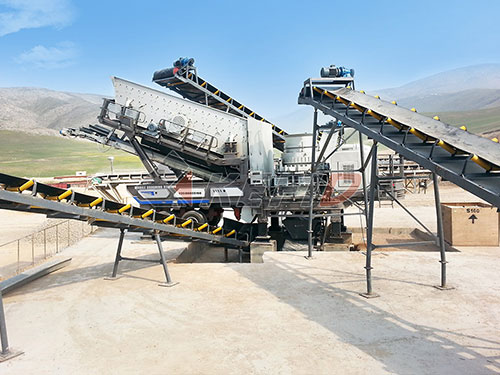
Key Considerations in Brochure Content
When developing a brochure for a slag crusher plant trading company, the following elements are essential:
The brochure should be written in clear, professional English, avoiding hyperbole. Objective data, such as throughput rates and recovery efficiencies, builds trust.
Economic and Environmental Significance
The economic case for slag processing is compelling. Recovered ferrous metal can be sold back to steel mills, while processed slag aggregates are used in road construction, concrete production, and as railway ballast. For every ton of slag processed, the operator may recover 5-15% ferrous metal and 85-95% usable aggregate. The trading company that supplies the plant enables this value creation.
Environmentally, slag stockpiles can leach heavy metals and occupy valuable land. Processing reduces the volume of waste and lowers the carbon footprint associated with mining virgin aggregates. Many jurisdictions now mandate slag recycling, creating a regulatory driver for investment in crusher plants. A brochure should highlight these compliance and sustainability aspects.
Selecting a Trading Company: Criteria for Buyers
Procurement managers should evaluate a slag crusher plant trading company based on several factors: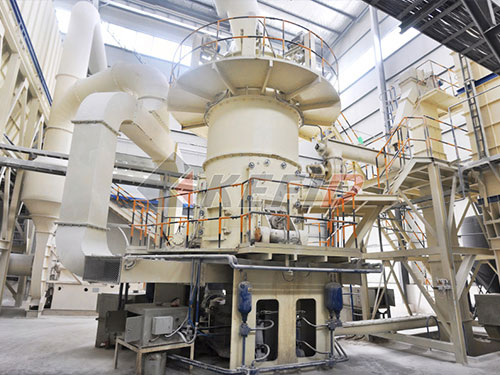
The brochure should address these criteria transparently, perhaps through testimonials or performance guarantees.
Conclusion
A slag crusher plant trading company brochure is more than a marketing document; it is a technical and commercial reference for industrial buyers. It must convey the complexity of slag processing, the integration of multiple equipment types, and the unique value that a trading company brings—namely, flexibility, expertise, and comprehensive support. As the global demand for resource recovery and sustainable construction materials grows, the role of specialized trading companies will only become more important. By producing a detailed, objective, and professionally written brochure, such a company can effectively communicate its capabilities and build lasting partnerships with clients across the metallurgical, construction, and environmental sectors. This article has outlined the essential components, considerations, and strategic importance of such a brochure, providing a foundation for companies seeking to articulate their offerings in the competitive slag processing market.
If you have any questions about our products, please feel free to contact us. We take all inquiries and suggestions very seriously.