
Sand and Gravel Mining Factory Quotation: A Comprehensive Guide to Cost Structures, Equipment, and Operational Planning
Introduction
Sand and gravel are among the most consumed natural resources in the world, second only to water in terms of global volume usage. They form the backbone of the construction industry, serving as essential aggregates in concrete, asphalt, road base, drainage systems, and countless other infrastructure applications. As urbanization accelerates and infrastructure development expands, the demand for reliable, high-quality sand and gravel products continues to rise. Consequently, establishing a sand and gravel mining factory—or optimizing an existing one—requires a thorough understanding of the quotation process, cost structures, equipment selection, and regulatory considerations. This article provides a detailed, objective examination of the factors that shape a sand and gravel mining factory quotation, offering prospective investors and operators a comprehensive framework for planning and budgeting.
Understanding the Sand and Gravel Mining Factory
A sand and gravel mining factory typically involves the extraction, processing, and distribution of aggregates from natural deposits such as riverbeds, pits, quarries, or offshore sources. The operation may be relatively simple—involving basic screening and washing—or highly complex, incorporating crushing, classification, and blending systems to produce multiple specification-grade products. The scale of the factory can range from a small, mobile operation producing a few hundred tons per day to a large stationary plant capable of processing thousands of tons per hour.
A formal quotation for such a factory is not merely a price tag; it is a detailed breakdown of capital expenditures (CAPEX), operational expenditures (OPEX), and projected financial performance. It serves as a decision-making tool for investors, a baseline for negotiations with suppliers, and a roadmap for project implementation.
Key Components of a Sand and Gravel Mining Factory Quotation
A professional quotation for a sand and gravel mining factory generally includes the following sections:
Project Scope and Technical Specifications
This section defines the intended production capacity (e.g., 100 tons per hour, 500 tons per hour), the feed material characteristics (e.g., river gravel, limestone, sandstone), the desired product sizes (e.g., 0–5 mm sand, 5–10 mm, 10–20 mm aggregates), and the required compliance with local or international standards (e.g., ASTM, EN, GB).
Equipment List and Unit Prices
The core of the quotation is the equipment schedule. Typical equipment for a sand and gravel plant includes:
Each item is quoted with its model, capacity, power rating, quantity, unit price, and total price. Suppliers may also offer optional items such as spare parts, installation supervision, and training.
Civil Works and Infrastructure
This includes site preparation, foundations, access roads, water and power supply, office buildings, workshops, and storage areas. While often excluded from equipment quotations, these costs are critical for a complete project budget.
Installation, Commissioning, and Training
Quotations may specify whether installation is included or quoted separately. Commissioning involves testing the plant under load, adjusting equipment, and ensuring product quality. Training for operators and maintenance staff is often provided as part of the package.
Delivery, Taxes, and Payment Terms
Delivery terms (e.g., FOB, CIF, EXW) and lead times are stated. Applicable taxes, import duties, and payment schedules (e.g., 30% deposit, 70% before shipment) are also included.
Warranty and After-Sales Service
A typical warranty covers 12–24 months for major equipment. After-sales service may include remote support, on-site repairs, and availability of spare parts.
Factors Influencing the Quotation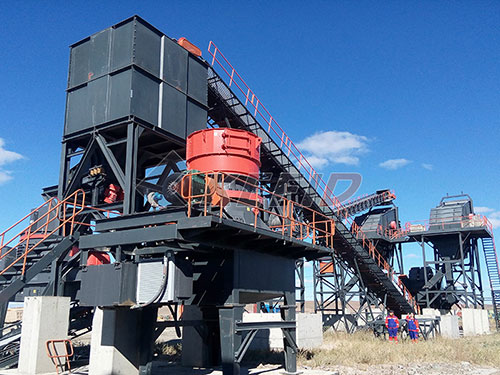
Several variables directly affect the final quotation:
Typical Cost Ranges
While quotations vary widely by region and scale, the following ranges provide a general reference:
These figures exclude land acquisition, mining rights, and ongoing operational costs.
Operational Expenditures (OPEX)
OPEX is often underestimated but is crucial for profitability. Key components include:
Financial Analysis and Return on Investment
A complete quotation should be accompanied by a financial model projecting:
Investors should conduct sensitivity analysis to assess how changes in key variables—such as fuel prices, aggregate demand, or regulatory fees—affect profitability.
Environmental and Social Considerations
Modern sand and gravel mining factories must address environmental and social impacts. Quotations may include:
These measures increase initial costs but are essential for obtaining permits and maintaining social license to operate.
Selecting a Supplier and Evaluating Quotations
When comparing quotations, buyers should:
Conclusion
A sand and gravel mining factory quotation is a complex, multi-dimensional document that reflects the technical, financial, and regulatory realities of the project. It is not merely a price list but a strategic planning tool. Prospective investors must understand the interplay of capacity, material characteristics, equipment selection, site conditions, and operational costs. By demanding transparent, detailed quotations and conducting thorough due diligence, stakeholders can make informed decisions that balance capital efficiency, operational reliability, and environmental responsibility. As global demand for aggregates continues to grow, well-planned sand and gravel mining factories will remain indispensable to sustainable infrastructure development.
If you have any questions about our products, please feel free to contact us. We take all inquiries and suggestions very seriously.