
Title: Comprehensive Analysis of Quarry Ballast Crushing Equipment Supplier for Bulk Orders: Selection Criteria, Operational Efficiency, and Market Dynamics
Introduction
In the global infrastructure and railway construction sectors, ballast—typically composed of crushed granite, basalt, or limestone—serves as a critical component for track stability, drainage, and load distribution. The production of high-quality ballast demands robust, high-capacity crushing equipment capable of processing large volumes of hard, abrasive rock. For quarry operators, construction firms, and railway contractors, sourcing such equipment through a reliable supplier, especially for bulk orders, is a strategic decision that impacts capital expenditure, operational uptime, and product quality. This article provides a detailed, objective examination of the quarry ballast crushing equipment supply chain, focusing on the key considerations for bulk procurement, the technical specifications of relevant machinery, supplier evaluation criteria, and emerging market trends.
1. Understanding Ballast Specifications and Crushing Requirements
Before delving into supplier selection, it is essential to understand the stringent specifications that ballast must meet. Railway ballast, for instance, is governed by standards such as AREMA (American Railway Engineering and Maintenance-of-Way Association) or EN 13450 (European standard). Key parameters include: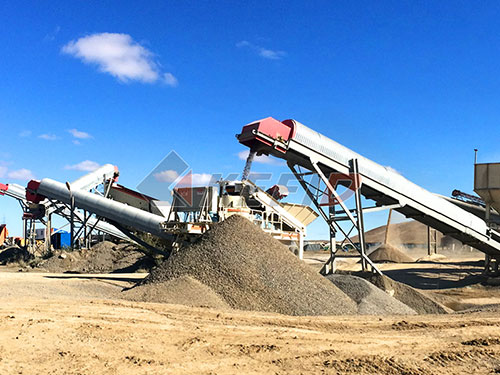
These requirements dictate the type of crushing equipment needed. For bulk production, a multi-stage crushing circuit is standard: primary jaw crushers for initial reduction, secondary cone crushers for further size reduction, and tertiary vertical shaft impact (VSI) crushers or high-pressure grinding rolls (HPGR) for shaping and achieving the desired cubicity. The supplier must offer a complete system or compatible components that can handle high tonnage throughput (e.g., 200–500 tons per hour) with minimal downtime.
2. Key Equipment for Ballast Crushing in Bulk Operations
When placing a bulk order, the supplier should provide a comprehensive solution that includes the following core machinery:
3. Criteria for Selecting a Quarry Ballast Crushing Equipment Supplier for Bulk Orders
Choosing the right supplier for a bulk order requires a systematic evaluation of several factors beyond price. The following criteria are paramount:
3.1. Technical Capability and Product Range
A reputable supplier should demonstrate a proven track record in designing and manufacturing equipment for hard rock applications. They must offer a full range of crushers, screens, and feeders that can be integrated into a customized plant. For bulk orders, the supplier should provide detailed process flow diagrams, capacity calculations, and power consumption estimates. They should also offer optional features such as dust suppression systems, noise reduction enclosures, and remote monitoring capabilities.
3.2. Quality and Durability
Given the abrasive nature of ballast materials, equipment must be built with high-quality wear parts (e.g., manganese steel liners, chrome alloy blow bars). Suppliers should provide information on the expected lifespan of wear components, warranty terms, and the availability of spare parts. For bulk orders, it is advisable to request third-party certifications (e.g., ISO 9001 for quality management, CE marking for European markets, or ASME standards for pressure vessels if applicable).
3.3. After-Sales Support and Service
Bulk orders often involve significant capital investment. Therefore, the supplier’s after-sales service is critical. Key aspects include:
3.4. Logistics and Delivery Capabilities
Bulk orders for heavy machinery (e.g., crushers weighing 50–100 tons each) require careful logistics planning. The supplier must have experience in international shipping, customs clearance, and inland transportation. They should provide a clear delivery schedule, including milestones for manufacturing, testing, and shipping. For large projects, suppliers may offer phased delivery to align with site readiness.
3.5. Financial Stability and References
A supplier’s financial health is a proxy for their ability to fulfill large contracts. Requesting bank references, audited financial statements, and a list of similar bulk orders completed in the last five years is prudent. Visiting existing installations or contacting previous clients can provide insights into the supplier’s reliability and product performance.
4. Market Dynamics and Trends in Bulk Ballast Crushing Equipment Supply
The global market for quarry ballast crushing equipment is influenced by several macroeconomic and technological trends:
5. Risk Mitigation in Bulk Orders
Bulk orders inherently carry risks, including delivery delays, quality deviations, and cost overruns. To mitigate these:
6. Case Study: Successful Bulk Order Fulfillment
Consider a hypothetical scenario: A railway contractor in Southeast Asia requires a 300 tph ballast crushing plant for a 200 km high-speed rail project. They issue a tender for a bulk order of a complete crushing and screening system. A leading supplier from China, with a local service center in Thailand, wins the contract by offering:
The plant is delivered in three phases over six months, with all equipment meeting the specified gradation and flakiness index. The project is completed on schedule, demonstrating the importance of supplier reliability and technical expertise.
Conclusion
Sourcing quarry ballast crushing equipment for bulk orders is a complex, high-stakes endeavor that requires a holistic approach. The ideal supplier is not merely a vendor of machinery but a partner capable of delivering a turnkey solution that meets stringent technical standards, offers robust after-sales support, and aligns with the buyer’s project timeline and budget. By focusing on equipment quality, supplier reputation, logistical capabilities, and contractual safeguards, buyers can ensure a successful procurement process that underpins the efficient production of railway ballast for critical infrastructure projects. As the global demand for rail and construction materials continues to grow, the role of specialized, reliable suppliers in the ballast crushing equipment market will only become more pivotal.
If you have any questions about our products, please feel free to contact us. We take all inquiries and suggestions very seriously.