The 250-300 TPH Stone Crushing Plant: A Comprehensive Guide to Assembly and Operation
In the realm of aggregate production for construction, mining, and infrastructure development, the 250-300 tons per hour (TPH) stone crushing plant represents a critical mid-to-large-scale production asset. This capacity range is highly sought after for major road projects, large concrete batching plants, and significant quarry operations, balancing substantial output with manageable operational complexity. The assembly of such a plant is not merely a construction task but a sophisticated engineering project that integrates mechanical, electrical, civil, and logistical disciplines. This article provides a detailed, professional overview of the key components, assembly sequence, critical considerations, and operational principles of a 250-300 TPH stone crushing plant.
1. Plant Configuration and Core Components
A 250-300 TPH plant is typically configured in two or three stages (primary, secondary, and sometimes tertiary crushing) to achieve the desired product gradation—from coarse aggregates to finer chips. A standard configuration might include:
- Primary Crushing Station: A robust vibrating grizzly feeder removes fines and directs oversized rock to a large jaw crusher (e.g., 900 x 1200 mm) or a primary impact crusher. This unit handles the initial size reduction from run-of-quarry rock (up to 750-1000mm) down to ~200-250mm.
- Secondary Crushing Station: Material from the primary crusher is conveyed to a cone crusher (for hard and abrasive stone like granite or basalt) or a secondary impact crusher (for softer limestone). This stage further reduces size to ~40-70mm. A vibrating screen (scalping screen) is often placed here to separate already-sized material.
- Tertiary/Final Crushing Station: For producing precisely shaped aggregates or sand, a tertiary cone crusher or a Vertical Shaft Impactor (VSI) may be employed. VSI crushers are excellent for producing high-quality cubical aggregates and manufactured sand.
- Screening System: Multiple-deck vibrating screens are the heart of product classification. They separate crushed material into specific size fractions (e.g., 0-5mm, 5-10mm, 10-20mm, 20-31.5mm). Oversize material is recirculated via closed-circuit conveyors back to the appropriate crusher.
- Material Handling System: A network of belt conveyors, with widths typically ranging from 800mm to 1200mm and designed for the specific incline and capacity, connects all stages. Transfer points are equipped with chutes and dust sealing systems.
- Power Supply & Control System: The entire plant is powered by a dedicated high-voltage electrical supply feeding transformers and motor control centers (MCCs). A centralized Programmable Logic Controller (PLC)-based control panel with touchscreen HMI allows for automated start-up sequences, monitoring of motor loads, bearing temperatures, and production data.
- Dust Suppression & Environmental Controls: A comprehensive system including water spray nozzles at transfer points and sometimes a baghouse-type dust collection system is essential for environmental compliance and worker safety.
2. Phased Assembly Process of the Plant
The assembly is a meticulous process best executed in distinct phases.
Phase 1: Site Preparation & Civil Works
Before any equipment arrives, extensive groundworks are completed. This includes:
- Topographical surveying and site leveling.
- Designing and constructing stable foundations for heavy equipment like crushers and screens. These are reinforced concrete structures designed based on geotechnical reports to withstand dynamic loads.
- Creating drainage systems and sumps for rainwater and process water.
- Establishing access roads for heavy transport during assembly and future maintenance.
Phase 2: Erection of Major Mechanical Units
With foundations cured, heavy lifting equipment (cranes with sufficient capacity) assembles the main frames:
- Primary Station Erection: The primary crusher base frame is positioned first, followed by the crusher itself and the grizzly feeder.
- Secondary/Tertiary Station Erection: Similarly, cone crushers and their ancillary hydraulic power units are installed on their prepared bases.
- Screening Tower Erection: The multi-deck screen(s), often mounted on a high steel support structure to allow material flow by gravity, is erected.
- Steel Structure Assembly: Support structures for conveyors walkways platforms handrails safety cages
Phase 3: Conveyor System Installation
Conveyors form the plant’s circulatory system:
- Conveyor idler frames stringers
- Head tail pulleys drive units gear motors
- Belt installation splicing vulcanized splice
- Safety devices belt misalignment switches emergency stop pull cords installed tested
Phase 4: Electrical & Control System Integration
Electricians run power cables control cables from MCCs individual motors sensors
PLC panel installed programmed
Wiring sensors temperature switches level probes belt scales
Control room established housing main operator interface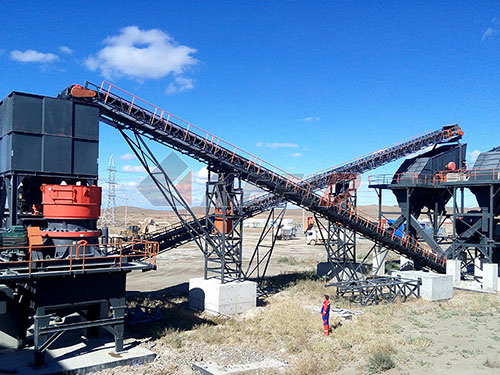
Phase 5: Auxiliary Systems & Final Integration
Dust suppression piping water pumps installed
Lubrication systems cone crushers bearings filled appropriate grease oil
All safety guards covers installed
Final alignment checks belt tracking mechanical fastening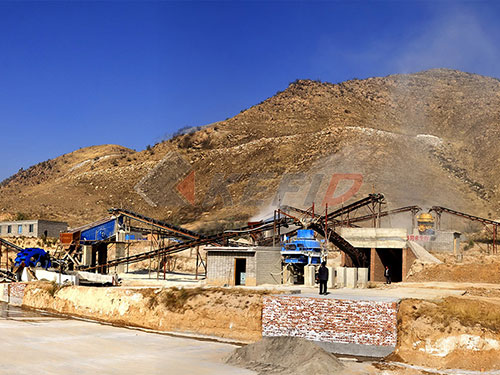
3. Critical Technical Considerations in Assembly
- Alignment: Laser alignment conveyor pulleys crusher shafts critical prevent premature wear vibration catastrophic failure
- Chute Design: Transfer chutes must be designed with correct geometry wear liners minimize material impact plugging dust generation
- Electrical Protection: All motors require proper overload protection star-delta starters soft starters variable frequency drives VFDs smooth starting energy savings
- Maintenance Access: Ample space around equipment safe access platforms lubrication points essential long-term plant availability uptime
- Future Expansion: Smart design allows adding washing system extra screening deck increasing capacity modular approach
4. Commissioning & Operational Handover
After mechanical completion commissioning begins:
- No-Load Testing: Each motor conveyor screen run independently direction vibration checks
- Load Testing: Plant fed gradually design capacity Monitoring power draws bearing temperatures product gradation adjust CSS Closed Side Setting cone jaw crushers screen deck angles achieve required product specs
- Performance Guarantee Test Run: Extended period typically hours continuous operation verify plant meets guaranteed capacity tonnage product gradation power consumption per ton key performance indicator KPI
- Operator Training: Comprehensive training maintenance staff troubleshooting basic adjustments safety procedures lockout-tagout LOTO protocols
Conclusion
The successful assembly commissioning TPH stone crushing plant complex multidisciplinary endeavor It requires meticulous planning precise execution deep understanding crushing technology principles From initial site survey final performance test every step impacts long-term productivity profitability operational reliability Well-assembled plant this capacity becomes cornerstone modern infrastructure development capable producing consistent high-quality aggregates years come Ultimately investment professional assembly not just building machine creating highly efficient reliable production system heart aggregate supply chain
