
Quarry Ballast Crushing Equipment Processing Plant Quality Control
Introduction
In the railway construction and maintenance industry, ballast—the coarse aggregate layer placed beneath railway tracks—plays a critical role in ensuring track stability, drainage, and load distribution. The quality of ballast directly impacts the safety, durability, and operational efficiency of railway infrastructure. Quarry ballast crushing equipment processing plants are specialized facilities designed to produce high-quality ballast from natural rock sources. However, the mere presence of advanced machinery does not guarantee product quality. Rigorous quality control (QC) protocols must be integrated into every stage of the processing plant, from raw material selection to final product dispatch. This article provides a comprehensive, professional, and objective examination of quality control practices in quarry ballast crushing equipment processing plants, covering key parameters, testing methods, equipment calibration, process optimization, and compliance with international standards.
1. Raw Material Quality Control
The foundation of high-quality ballast lies in the source rock. Before any crushing begins, the quarry must conduct thorough geological surveys and material characterization. The parent rock should be hard, dense, durable, and resistant to weathering and abrasion. Common rock types used for ballast include granite, basalt, quartzite, and certain types of limestone, provided they meet specific mechanical properties.
1.1 Petrographic Analysis
Petrographic examination is essential to identify the mineral composition, grain size, and presence of deleterious materials such as clay, shale, or soft particles. Rocks with high quartz content are generally preferred for their hardness, while those containing significant amounts of mica or feldspar may be prone to weathering. The American Society for Testing and Materials (ASTM) C295 and the European standard EN 932-3 provide guidelines for petrographic analysis.
1.2 Physical and Mechanical Testing
Key tests include:
1.3 Stockpile Management
Raw materials should be stockpiled separately based on quality grades. Contamination from soil, vegetation, or other debris must be avoided. Regular sampling and testing of incoming material are mandatory to reject substandard batches before they enter the crushing circuit.
2. Crushing and Screening Process Control
The crushing and screening stages are the heart of the ballast processing plant. Quality control here focuses on achieving the correct particle size distribution (PSD), shape, and cleanliness.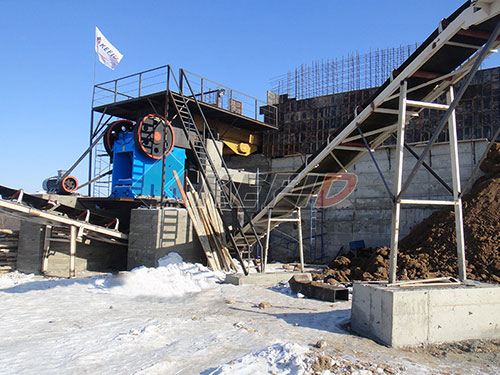
2.1 Equipment Selection and Configuration
Typical ballast crushing plants include primary jaw crushers, secondary cone crushers, and tertiary impact crushers or cone crushers. The configuration must be designed to produce cubical particles with minimal flakiness and elongation. Cone crushers with a “choke-fed” configuration are often preferred for producing consistent shapes. Impact crushers, while effective for shaping, may generate more fines if not properly adjusted.
2.2 Particle Size Distribution (PSD) Control
Ballast specifications are stringent. For example, EN 13450 (European standard) requires that 100% of particles pass a 63 mm sieve, with specific percentages retained on 31.5 mm, 16 mm, and 8 mm sieves. The “ballast gradation envelope” must be maintained within tight limits. QC involves:
2.3 Shape and Flakiness Index
Flaky and elongated particles are undesirable because they break easily and reduce interlocking. The flakiness index (FI) and shape index (SI) are measured according to standards like EN 933-3 and EN 933-4. A maximum FI of 15–20% is typical. To control shape: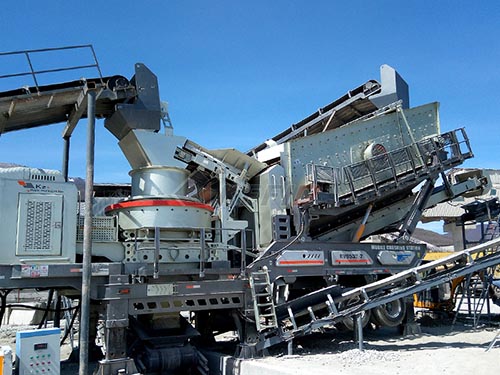
2.4 Fines and Dust Control
Excessive fines (particles <0.063 mm) can clog drainage and reduce ballast performance. Dust extraction systems, wet screening, or air classifiers are used to remove fines. QC includes measuring the fines content via washing and sieving (EN 933-1). The target is usually less than 1–2% fines.
3. Quality Control Testing and Frequency
A robust QC plan defines the types of tests, sampling methods, and testing frequency. The following table summarizes typical tests and their recommended frequencies in a ballast processing plant:
| Test Parameter | Standard (Example) | Frequency |
|---|---|---|
| Particle Size Distribution | EN 933-1 / ASTM C136 | Every 2 hours or per 500 tons |
| Flakiness Index | EN 933-3 | Daily or per 1000 tons |
| Shape Index | EN 933-4 | Weekly or per 5000 tons |
| Los Angeles Abrasion | EN 1097-2 / ASTM C131 | Monthly or per 10,000 tons |
| Water Absorption | EN 1097-6 | Monthly |
| Fines Content (0.063 mm) | EN 933-1 | Every shift |
| Bulk Density and Voids | EN 1097-3 | Weekly |
| Petrographic Analysis | EN 932-3 | Annually or when source changes |
3.1 Sampling Protocols
Sampling must be representative. Standards such as EN 932-1 and ASTM D75 provide guidelines for sampling from conveyor belts, stockpiles, or trucks. The use of automatic samplers is recommended to reduce human bias. Samples should be split using a riffle box or rotary divider to obtain test portions.
3.2 Laboratory Accreditation
The plant’s QC laboratory should be accredited to ISO/IEC 17025 or equivalent. Calibration of sieves, balances, and testing machines must be traceable to national standards. Inter-laboratory proficiency testing ensures accuracy.
4. Process Optimization and Continuous Improvement
Quality control is not a static activity; it requires continuous monitoring and adjustment. Statistical process control (SPC) techniques, such as control charts for PSD and flakiness index, help identify trends and prevent non-conforming product.
4.1 Crusher Wear Parts Management
Worn liners in jaw and cone crushers alter the product gradation and shape. A preventive maintenance schedule, including regular inspection and replacement of manganese steel liners, is essential. The wear rate should be tracked, and crusher settings adjusted accordingly.
4.2 Moisture Content Control
Moisture in the feed can cause clogging in screens and crushers, especially during rainy seasons. Moisture meters and online sensors help monitor and adjust processing parameters. In extreme cases, pre-drying or covered stockpiles may be necessary.
4.3 Automation and Data Logging
Modern ballast plants use programmable logic controllers (PLCs) and supervisory control and data acquisition (SCADA) systems to monitor crusher power draw, conveyor belt speeds, and screen efficiency. Data logging allows for root cause analysis when quality deviations occur.
5. Compliance with International Standards
Different countries and railway authorities have their own ballast specifications. The most widely recognized standards include:
A quality control system must be designed to meet the specific requirements of the client or regulatory body. For instance, AREMA specifies a maximum LA abrasion loss of 35% for granite and 40% for limestone, while EN 13450 requires LA ≤ 20% for Category A ballast.
6. Documentation and Traceability
Every batch of ballast produced must be traceable back to the source quarry, processing date, crusher settings, and QC test results. Documentation includes:
A well-maintained quality management system (QMS) based on ISO 9001 ensures that all processes are documented, audited, and improved over time.
7. Challenges and Solutions in Ballast QC
7.1 Variability in Feed Material
Natural rock deposits are inherently variable. Solution: Blend materials from different faces of the quarry or use surge piles to homogenize the feed.
7.2 Screen Blinding and Efficiency
Moist or sticky materials can blind screens, leading to oversize or undersize particles. Solution: Use of heated screens, self-cleaning mesh, or wet screening.
7.3 Cost vs. Quality
Strict QC may increase production costs. However, the cost of non-conforming ballast—track instability, derailments, or premature maintenance—far outweighs the investment in QC. A balanced approach involves optimizing crusher settings to minimize waste while meeting specifications.
8. Conclusion
Quality control in a quarry ballast crushing equipment processing plant is a multifaceted discipline that integrates geology, mechanical engineering, materials science, and statistical analysis. From the initial petrographic assessment of the source rock to the final sieve analysis of the shipped product, every step must be meticulously controlled. The use of standardized testing methods, regular calibration of equipment, and adherence to international specifications ensures that the ballast produced is fit for purpose—providing safe, durable, and reliable railway infrastructure.
In an era of increasing railway speeds and axle loads, the demand for high-quality ballast is greater than ever. Processing plants that invest in robust QC systems, automation, and continuous improvement will not only meet customer expectations but also gain a competitive edge in the market. Ultimately, quality control is not an expense; it is an investment in safety, performance, and long-term operational excellence.
If you have any questions about our products, please feel free to contact us. We take all inquiries and suggestions very seriously.