Quarry Ballast Crushing Equipment Factories: Competitive Pricing in a Globalized Market
Introduction
The quarrying and aggregates industry forms the backbone of modern infrastructure development. From railway ballast and highway sub-bases to concrete production and landscaping materials, crushed stone is an indispensable commodity. At the heart of this industry lies a critical category of machinery: quarry ballast crushing equipment. As global demand for aggregates continues to rise—driven by urbanization, transportation network expansion, and large-scale construction projects—the market for crushing equipment has become increasingly competitive. Equipment factories worldwide are striving to offer advanced technology, durable machinery, and, crucially, competitive pricing. This article provides a comprehensive analysis of quarry ballast crushing equipment factories, the factors influencing pricing, and how buyers can identify the most cost-effective solutions without compromising on quality or performance.
Understanding Quarry Ballast Crushing Equipment
Ballast refers to the crushed stone or gravel used primarily as a foundation for railway tracks, though the term is also applied to aggregates used in road construction and drainage systems. The crushing equipment employed to produce ballast must handle high volumes of abrasive, hard rock—such as granite, basalt, limestone, and quartzite—while consistently delivering uniformly graded particles.
A typical ballast crushing plant consists of several stages:
- Primary Crushing: Jaw crushers or gyratory crushers reduce large run-of-mine rock (up to 1,000 mm or more) to manageable sizes (typically 100–300 mm).
- Secondary Crushing: Cone crushers or impact crushers further reduce the material to 20–100 mm, depending on the desired ballast specification.
- Tertiary/Quaternary Crushing: For finer grades or specialized ballast, high-speed cone crushers or vertical shaft impactors (VSIs) may be used.
- Screening and Classification: Vibrating screens separate crushed material into distinct size fractions (e.g., 25–50 mm, 40–70 mm for railway ballast).
- Conveying and Stockpiling: Belt conveyors transport materials between stages and to stockpiles.
Factories that manufacture this equipment range from multinational conglomerates to regional specialized workshops. The competitive landscape is shaped by technological capability, manufacturing scale, raw material costs, labor expenses, and logistics.
Key Equipment Types and Their Factory Sources
- Jaw Crushers: Produced by factories in China, India, Turkey, and Brazil, among others. Chinese factories, particularly in Henan and Shandong provinces, have gained prominence for offering robust jaw crushers at significantly lower price points than European or American counterparts.
- Cone Crushers: High-performance cone crushers (e.g., multi-cylinder hydraulic types) are manufactured by established brands in Sweden, Finland, Germany, and the United States. However, competitive factories in China and India now produce comparable models with improved wear parts and automation.
- Impact Crushers: Horizontal shaft impactors (HSIs) and vertical shaft impactors (VSIs) are widely manufactured in Italy, China, and South Korea. Factories in these regions often provide customized rotor designs for specific ballast gradations.
- Screens and Feeders: These auxiliary components are produced globally, with competitive pricing often found in factories located in Turkey, India, and Southeast Asia.
Factors Driving Competitive Pricing Among Factories
- Economies of Scale: Large factories that produce hundreds of units annually can amortize fixed costs (R&D, tooling, facility overhead) over more machines, reducing per-unit prices. Chinese and Indian factories often benefit from massive domestic demand, enabling scale that smaller European workshops cannot match.
- Labor and Material Costs: Regions with lower labor costs and proximity to steel and casting suppliers can offer lower prices. For example, factories near steel-producing hubs in China or India enjoy reduced raw material logistics expenses.
- Vertical Integration: Factories that perform their own casting, machining, and heat treatment reduce reliance on external suppliers, cutting costs and lead times. Some competitive factories now operate in-house foundries for wear-resistant manganese and chrome alloys.
- Technology Licensing and Reverse Engineering: Many emerging factories have acquired technology through licensing agreements or by reverse-engineering older Western designs. This reduces R&D expenditure, allowing them to price aggressively while still delivering functional reliability.
- Global Supply Chain Optimization: Factories that source bearings, hydraulic components, and electric motors from low-cost but reputable suppliers (e.g., Japanese or German brands manufactured in lower-cost facilities) can maintain quality while lowering overall costs.
- Government Subsidies and Export Incentives: In some countries, governments provide tax rebates, low-interest loans, or export credits to equipment manufacturers. These incentives are passed on to buyers as lower prices.
- Intense Competition: The sheer number of factories—particularly in Asia—creates a buyer’s market. Factories must continuously optimize prices to win contracts, especially for large tenders in Africa, Latin America, and Southeast Asia.
How to Evaluate “Competitive Price” Without Sacrificing Quality
A low price is meaningless if the equipment fails prematurely or requires excessive maintenance. Prospective buyers should consider:
- Total Cost of Ownership (TCO): Includes purchase price, installation, energy consumption, wear parts replacement, downtime, and maintenance labor. A slightly higher-priced machine with longer wear life may be more economical over 5–10 years.
- Wear Part Quality: Factories that use high-chromium or manganese steel castings (e.g., Mn18Cr2) offer longer wear intervals. Buyers should request material certificates.
- After-Sales Support: Competitive factories now offer global service networks, spare parts availability, and remote diagnostics. A factory with no local support can turn a low price into a costly liability.
- References and Case Studies: Request a list of existing installations processing similar rock types. Factories with verifiable references in railway ballast production are preferable.
- Compliance and Certifications: ISO 9001, CE marking, and adherence to local safety standards indicate a factory’s commitment to quality management.
- Customization Capability: Factories that can tailor crusher chambers, screen decks, and automation systems to specific ballast specifications add value without necessarily charging a premium.
Regional Analysis of Competitive Factories
- China: Dominates the global market for mid-range crushing equipment. Factories in Zhengzhou, Shanghai, and Luoyang offer complete ballast crushing lines at 20–40% lower prices than Western equivalents. Quality has improved markedly over the past decade, though buyers must vet suppliers carefully.
- India: Factories in Gujarat, Maharashtra, and Karnataka produce robust jaw and cone crushers for domestic and export markets. Pricing is competitive, and Indian factories often excel in customized solutions for smaller quarries.
- Turkey: Turkish factories have emerged as strong competitors in Europe, the Middle East, and North Africa. They combine European engineering standards with lower labor costs, offering a middle ground between Chinese and Western pricing.
- Brazil: Brazilian factories serve the Latin American market, benefiting from local content requirements and proximity to major quarrying regions. Prices are competitive within the region but less so for intercontinental exports.
- Europe (Germany, Sweden, Finland): Premium pricing but superior technology, automation, and durability. Factories in these countries compete on performance and lifecycle cost rather than initial price.
- United States: Domestic factories offer high-quality equipment but at higher prices due to labor and regulatory costs. They remain competitive for buyers prioritizing rapid local support and compliance with U.S. standards.
The Role of Technology in Price Competitiveness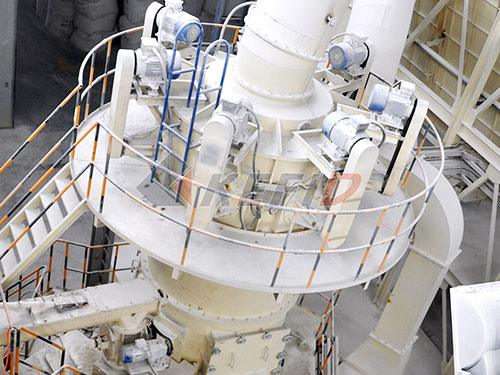
Modern factories leverage technology to reduce costs without sacrificing quality:
- Automation in Manufacturing: CNC machining, robotic welding, and automated casting lines reduce labor costs and improve consistency.
- Modular Design: Interchangeable components reduce inventory costs and allow faster assembly, lowering production expenses.
- Digital Twins and Simulation: Factories can optimize crusher chamber geometry virtually, reducing the need for expensive physical prototypes.
- Condition Monitoring Systems: IoT-enabled sensors predict wear and prevent catastrophic failures, reducing warranty claims and enhancing a factory’s reputation for reliability—allowing them to maintain competitive prices without cutting corners.
Negotiation Strategies for Buyers
To secure the best combination of price and quality:
- Request Multiple Quotes: Obtain detailed quotations from at least five factories across different regions.
- Visit Factories: Inspect manufacturing facilities, quality control processes, and existing inventory.
- Negotiate on Total Package: Include spare parts, training, installation, and commissioning in the negotiation.
- Leverage Volume: For multi-unit orders or complete plant solutions, factories often offer significant discounts.
- Consider Payment Terms: Factories may offer lower prices for upfront payment or letters of credit with favorable terms.
- Check for Hidden Costs: Import duties, shipping, insurance, and currency fluctuations can erode price advantages.
Future Trends in Quarry Ballast Crushing Equipment Pricing
- Electrification and Hybrid Systems: As quarries seek to reduce diesel consumption, electric-powered crushing plants are gaining traction. Factories that produce these systems may initially charge a premium, but long-term energy savings improve competitiveness.
- Circular Economy and Recycled Ballast: Equipment capable of processing recycled concrete and railway ballast will become more valuable. Factories that adapt early may capture new markets.
- Consolidation: Mergers and acquisitions among factories could reduce the number of independent competitors, potentially leading to higher prices in some regions. However, Asian and Turkish factories are likely to remain aggressive.
- Digital Marketplaces: Online platforms for used and new equipment are increasing price transparency, forcing factories to justify their pricing more rigorously.
Conclusion
The market for quarry ballast crushing equipment factories is highly competitive, with numerous global players offering a wide range of prices and capabilities. Buyers seeking the best value must look beyond the initial purchase price and evaluate total cost of ownership, after-sales support, and technological fit. Factories in China, India, Turkey, and other emerging manufacturing hubs have successfully combined cost efficiency with improving quality, challenging traditional Western dominance. Meanwhile, European and American factories continue to compete on premium performance and service. By understanding the factors that drive competitive pricing—scale, integration, labor costs, and technology—buyers can make informed decisions that balance budget constraints with operational reliability. In an era of rising infrastructure demands and tightening margins, the ability to source high-quality ballast crushing equipment at a competitive price is not merely a procurement advantage; it is a strategic imperative for quarry operators worldwide.
