Premium Stone Quarry Crushing Plant Suppliers: A Comprehensive Guide to Selection, Technology, and Global Standards
The global construction and infrastructure development sectors are heavily reliant on the availability of high-quality aggregates, which are produced through stone quarry crushing plants. These plants are complex systems designed to reduce large rocks into smaller, usable sizes for concrete, asphalt, road base, and other construction materials. The selection of a premium stone quarry crushing plant supplier is a critical business decision that directly impacts operational efficiency, product quality, environmental compliance, and long-term profitability. This article provides a detailed, objective analysis of what constitutes a premium supplier, the key technologies involved, global market trends, and the criteria for evaluating potential partners.
1. Defining “Premium” in the Context of Crushing Plant Suppliers
A premium supplier is not merely a vendor of machinery; it is a strategic partner that offers comprehensive solutions. The term “premium” encompasses several distinct attributes:
- Engineering Excellence and Reliability: Premium suppliers invest heavily in research and development (R&D) to produce robust, durable machinery with high uptime. Their equipment is designed to withstand the extreme conditions of quarrying—abrasive materials, heavy loads, and continuous operation. This includes using high-grade steel, advanced casting techniques, and precision-engineered components like bearings, shafts, and crusher liners.
- Comprehensive Product Portfolio: A premium supplier offers a full range of equipment for every stage of the crushing process: primary (jaw crushers, gyratory crushers), secondary (cone crushers, impact crushers), tertiary (vertical shaft impactors, high-pressure grinding rolls), and screening (vibrating screens, trommels). They also provide feeders, conveyors, dust suppression systems, and control systems. This one-stop-shop capability simplifies procurement, ensures system compatibility, and streamlines after-sales support.
- Customization and Process Optimization: No two quarries are identical. Premium suppliers offer tailored solutions based on the specific characteristics of the raw material (hardness, abrasiveness, moisture content), desired product specifications (gradation, shape, cleanliness), and site constraints (space, power availability, environmental regulations). They conduct material testing, process simulations, and plant layout design to optimize throughput and minimize waste.
- Global Service Network and After-Sales Support: The true test of a premium supplier is its ability to support the plant throughout its lifecycle. This includes rapid spare parts availability, on-site commissioning and training, remote monitoring capabilities, and a network of certified service technicians. A supplier with a weak local presence, even with excellent equipment, cannot be considered premium.
- Commitment to Safety and Environmental Stewardship: Modern premium suppliers integrate safety into every aspect of their design, from guarding and interlocking systems to noise and dust control. They offer solutions that comply with stringent international environmental standards, such as closed-loop water systems, energy-efficient motors, and low-emission diesel or electric drives.
2. Key Technologies and Equipment from Premium Suppliers
The core of any quarry crushing plant is its crushers. Premium suppliers differentiate themselves through the sophistication of these machines:
- Primary Crushing: Jaw crushers remain the workhorses for primary reduction. Premium models feature deep, symmetrical crushing chambers, hydraulic adjustment systems for closed-side setting (CSS), and automatic lubrication. Gyratory crushers are preferred for very high-capacity operations (over 1,000 tons per hour) due to their continuous crushing action and ability to handle slabby feed.
- Secondary and Tertiary Crushing: Cone crushers are the standard for producing high-quality cubical aggregates. Premium suppliers offer advanced cone crusher technologies like hydraulic tramp release, automatic setting regulation (ASRi), and eccentric throw adjustment. These features allow operators to maintain consistent product gradation even as liners wear. Horizontal shaft impactors (HSI) and vertical shaft impactors (VSI) are used for shaping and producing fine aggregates. Premium VSIs, for example, use advanced rotor designs and wear-resistant materials to achieve high reduction ratios and superior particle shape.
- Screening and Classification: Vibrating screens from premium suppliers utilize high-frequency vibration, multi-deck configurations, and efficient media (polyurethane, rubber, or wire mesh) to achieve precise separation. Washing systems (log washers, screw classifiers, hydrocyclones) are integrated to remove clay, silt, and other deleterious materials, ensuring product cleanliness.
- Automation and Control Systems: The hallmark of a modern premium plant is its automation. Suppliers offer Plant Control Systems (PCS) that integrate all equipment, monitor key parameters (power draw, bearing temperature, feed rate), and provide real-time data analytics. Advanced systems can automatically adjust crusher settings to compensate for feed variations, optimize energy consumption, and predict maintenance needs. This reduces human error and maximizes plant availability.
3. Global Landscape of Premium Suppliers
The market for stone quarry crushing plants is dominated by a few multinational corporations and several strong regional players. The following are widely recognized as premium suppliers:
- Metso Outotec (Finland/Sweden): A clear market leader, Metso Outotec offers an extensive portfolio under brands like Nordberg, Lokotrack, and Superior. Their strength lies in comprehensive solutions, from mobile and stationary plants to digital services like Metso Metrics. They are known for innovation in cone crusher technology (e.g., HP and MP series) and sustainable solutions.
- Sandvik (Sweden): Sandvik is another global giant, renowned for its robust jaw and cone crushers (e.g., CH, CS, and QJ series). Their focus on automation and digitalization, through systems like Sandvik 365 and AutoMine, positions them as a premium choice for large-scale, high-tech operations. They also have a strong presence in mobile crushing.
- Terex (USA/Ireland): Terex operates through several brands, including Terex Finlay (mobile), Terex MPS (modular and stationary), and Terex Washing Systems. They are known for practical, durable equipment and a strong dealer network in North America and Europe. Their modular plants offer flexibility for smaller quarries.
- Astec Industries (USA): Astec is a major American manufacturer with brands like KPI-JCI, Kolberg-Pioneer, and Osborn. They are particularly strong in screening, washing, and asphalt plant integration. Their equipment is known for its ruggedness and suitability for abrasive materials.
- ThyssenKrupp (Germany): ThyssenKrupp is a premium supplier for very large-scale, hard-rock applications. They specialize in gyratory crushers, jaw crushers, and high-pressure grinding rolls (HPGR). Their engineering expertise is often sought for complex, high-capacity greenfield projects.
- Regional Premium Suppliers: In China, companies like Shibang Industry & Technology Group (SBM) and Zhengzhou Yifan Machinery (YIFAN) have grown significantly, offering competitive pricing with improving quality. In India, Puzzolana Machinery Fabricators and Larsen & Toubro (L&T) are respected for their robust equipment and local service. In Japan, Kawasaki Heavy Industries and Kobelco Construction Machinery produce high-precision crushers, though they are less common globally.
4. Criteria for Selecting a Premium Supplier
Choosing the right supplier requires a rigorous evaluation process. The following factors should be considered: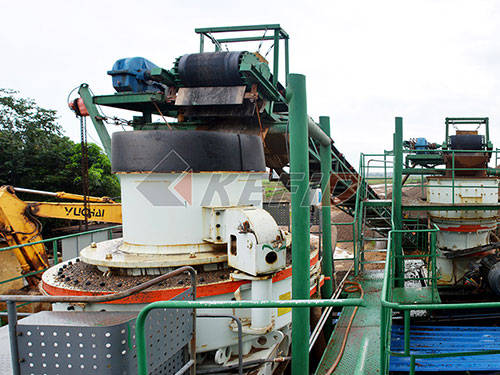
- Material Analysis and Process Design: The supplier must conduct a thorough analysis of the quarry’s rock type (e.g., granite, limestone, basalt, river gravel) and its abrasiveness (measured by the Los Angeles Abrasion test). They should provide a detailed process flow diagram, mass balance, and equipment sizing calculations.
- Total Cost of Ownership (TCO): Beyond the initial purchase price, evaluate the TCO, which includes energy consumption, wear parts cost, maintenance labor, and downtime. Premium suppliers often have higher upfront costs but lower TCO due to superior efficiency and durability.
- Spare Parts Availability and Lead Times: Inquire about the supplier’s spare parts inventory, distribution centers, and typical lead times. A delay of weeks for a critical wear part can cost a quarry millions in lost production.
- Service and Support Infrastructure: Assess the supplier’s local presence. Do they have a service center, trained technicians, and a 24/7 helpline? Can they provide on-site training for your operators and maintenance team?
- Digital Capabilities: Does the supplier offer remote monitoring, predictive maintenance tools, and data analytics? These features are increasingly important for optimizing plant performance and reducing unplanned downtime.
- Environmental Compliance: Ensure the supplier’s equipment can meet local noise, dust, and water discharge regulations. Look for suppliers who offer integrated dust suppression (e.g., water spray systems, baghouses) and noise reduction enclosures.
- References and Track Record: Request references from similar projects (same material type, capacity, and region). Visit operating plants if possible. A supplier’s reputation is built on the performance of their installed base.
5. Future Trends and Conclusion
The stone quarry crushing industry is evolving rapidly. Premium suppliers are leading the way in several key trends:
- Electrification and Hybridization: The shift from diesel to electric power is accelerating, driven by lower operating costs and stricter emissions regulations. Hybrid mobile plants (diesel-electric) are becoming common. Premium suppliers are developing fully electric stationary plants with energy recovery systems.
- Artificial Intelligence and Machine Learning: AI is being used to optimize crusher settings, predict liner wear, and detect anomalies in real-time. This reduces human intervention and improves consistency.
- Circular Economy and Recycling: Premium suppliers are increasingly focusing on equipment that can process recycled concrete and asphalt, turning waste into valuable aggregates. This aligns with global sustainability goals.
- Modular and Containerized Plants: For projects requiring rapid deployment and relocation, modular plants that can be shipped in standard containers are gaining popularity. Premium suppliers offer these as turnkey solutions.
In conclusion, selecting a premium stone quarry crushing plant supplier is a strategic investment that goes far beyond purchasing machinery. It requires a deep understanding of the supplier’s engineering capabilities, global support network, technological innovation, and commitment to sustainability. By carefully evaluating these factors, quarry operators can secure a partnership that ensures reliable production, high-quality aggregates, and a competitive edge in the demanding construction materials market. The premium supplier is not just a vendor; they are a long-term enabler of operational excellence.
