
Premium Stone Quarry Crushing Plant Company: A Comprehensive Overview of Industry Leadership, Operational Excellence, and Strategic Value
In the global construction and infrastructure development landscape, the role of a Premium Stone Quarry Crushing Plant Company cannot be overstated. These entities are not merely suppliers of crushed stone; they are critical nodes in the supply chain that transform natural rock formations into essential raw materials for roads, bridges, buildings, railways, and concrete production. A “premium” designation in this context signifies a company that consistently delivers superior quality, operational efficiency, environmental stewardship, and customer-centric service. This article provides a detailed, professional, and objective examination of what constitutes a premium stone quarry crushing plant company, exploring its core operations, technological advancements, market dynamics, regulatory compliance, and strategic importance.
1. Defining the Premium Standard in Stone Quarry Crushing
A premium stone quarry crushing plant company distinguishes itself through several key attributes. First and foremost is the quality of its output. Premium companies produce aggregates that meet or exceed stringent international standards (such as ASTM, BS, or IS codes) for gradation, shape, strength, and durability. This is achieved through meticulous source material selection, advanced crushing and screening processes, and rigorous quality control laboratories on-site. The crushed stone must exhibit high resistance to wear, low water absorption, and consistent particle size distribution, which are critical for high-performance concrete and asphalt mixes.
Second, operational excellence is a hallmark. Premium companies invest in state-of-the-art machinery—such as jaw crushers, cone crushers, vertical shaft impactors (VSIs), and high-frequency screens—that maximize throughput while minimizing downtime. They employ predictive maintenance strategies, real-time monitoring systems, and automated control rooms to optimize energy consumption and reduce operational costs. The integration of Industry 4.0 technologies, including IoT sensors, AI-driven process optimization, and digital twin simulations, is increasingly common among top-tier operators.
Third, environmental and social responsibility is non-negotiable. Premium quarry crushing companies operate under strict environmental management systems (EMS) certified to ISO 14001. They implement dust suppression systems (water sprays, mist cannons, baghouse filters), noise barriers, and vibration monitoring to mitigate the impact on surrounding communities. Rehabilitation of mined-out areas, water recycling, and waste minimization (e.g., using fines for manufactured sand or cement production) are standard practices. Furthermore, they prioritize worker safety through comprehensive training, personal protective equipment (PPE), and adherence to OHSAS 18001 or ISO 45001 standards.
2. Core Operational Processes and Technologies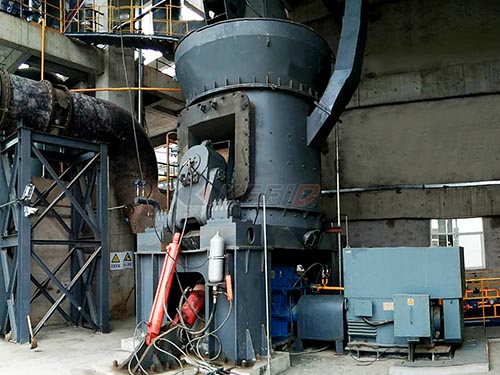
The transformation of raw stone into premium aggregates involves a multi-stage process, each requiring specialized equipment and expertise.
Extraction and Blasting: Premium companies use controlled blasting techniques (e.g., electronic detonators, precise drilling patterns) to minimize fragmentation and reduce downstream crushing energy. Geological surveys and rock mechanics studies guide the selection of blast parameters to ensure optimal rock breakage without damaging the quarry face.
Primary Crushing: Large boulders (up to 1 meter in diameter) are fed into jaw crushers or gyratory crushers, which reduce them to 150–300 mm. Premium plants often use heavy-duty, high-capacity crushers with hydraulic adjustment systems to maintain consistent product size and protect against uncrushable materials.
Secondary and Tertiary Crushing: Cone crushers are the workhorses for secondary and tertiary stages, producing cubical aggregates with low flakiness index. For high-specification products (e.g., railway ballast, concrete aggregates), vertical shaft impactors (VSIs) are employed to further refine particle shape and increase the proportion of crushed faces.
Screening and Washing: Multi-deck vibrating screens separate aggregates into various size fractions (e.g., 0–5 mm, 5–10 mm, 10–20 mm, 20–40 mm). Premium plants incorporate washing systems to remove clay, silt, and other deleterious materials, ensuring clean, high-quality products. Water treatment plants recycle up to 90% of process water, reducing freshwater consumption.
Stockpiling and Loading: Automated stacking systems and covered stockpiles prevent segregation and contamination. Premium companies use weighbridges, RFID tagging, and integrated dispatch software to ensure accurate loading and traceability of every shipment.
3. Market Positioning and Customer Value Proposition
Premium stone quarry crushing plant companies serve a diverse clientele, including large-scale infrastructure contractors, ready-mix concrete producers, asphalt plants, precast concrete manufacturers, and government agencies. Their value proposition is built on several pillars:
Consistency and Reliability: Customers rely on premium suppliers for consistent quality and uninterrupted supply. Premium companies maintain strategic stockpiles, backup equipment, and contingency plans to mitigate disruptions from weather, equipment failure, or market fluctuations.
Technical Support and Customization: Premium companies offer technical assistance in mix design, aggregate testing, and product selection. They can produce custom blends (e.g., for pervious concrete, high-friction surface treatments) and provide on-site sampling and testing services.
Logistics and Delivery: Efficient logistics are critical. Premium companies operate their own fleet of trucks or partner with specialized haulage firms to ensure timely delivery. They may also have rail sidings or barge loading facilities for long-distance transport.
Sustainability Credentials: As environmental regulations tighten and green building certifications (e.g., LEED, BREEAM) gain prominence, premium companies offer aggregates with lower embodied carbon, recycled content, and responsible sourcing certifications.
4. Regulatory Compliance and Risk Management
Operating a premium quarry crushing plant requires navigating a complex web of regulations. Key areas include:
Mining and Land Use Permits: Obtaining and renewing extraction licenses, environmental impact assessments (EIAs), and land reclamation bonds. Premium companies engage proactively with local communities and regulatory bodies to maintain social license to operate.
Health and Safety: Compliance with occupational health and safety laws, including regular inspections, hazard identification, and emergency response plans. Premium companies often exceed legal requirements by implementing behavior-based safety programs and near-miss reporting systems.
Environmental Compliance: Adherence to air quality standards (particulate matter, PM10, PM2.5), noise limits, water discharge permits, and waste management regulations. Premium companies invest in continuous emissions monitoring and third-party audits.
Quality Assurance: Certification to ISO 9001 for quality management systems, with regular internal and external audits. Premium companies maintain detailed records of product testing, calibration, and customer feedback.
5. Technological Innovation and Future Trends
The premium segment is at the forefront of technological adoption. Emerging trends include:
Automation and Robotics: Autonomous haul trucks, drone-based quarry surveying, and robotic sampling systems are becoming more common. These technologies improve safety, reduce labor costs, and enhance data accuracy.
Digitalization and Data Analytics: Cloud-based platforms integrate data from crushers, screens, conveyors, and weighbridges to provide real-time dashboards on production, energy consumption, and maintenance needs. Machine learning algorithms predict equipment failures and optimize crushing parameters.
Circular Economy Initiatives: Premium companies are exploring ways to recycle construction and demolition waste (CDW) into high-quality aggregates. Some are also using carbon capture and utilization (CCU) technologies to reduce their carbon footprint.
Alternative Energy Sources: Solar panels, wind turbines, and energy storage systems are being installed at quarry sites to reduce reliance on grid electricity and diesel generators. Electric mobile crushers and conveyors are also gaining traction.
6. Strategic Importance and Economic Impact
Premium stone quarry crushing plant companies are vital to national and regional economies. They provide essential raw materials for infrastructure projects that drive economic growth, job creation, and improved quality of life. In many countries, the aggregates industry is a significant contributor to GDP and employment. Premium companies, in particular, generate high-value jobs in engineering, geology, logistics, and environmental management.
Moreover, they play a key role in disaster resilience. After earthquakes, floods, or hurricanes, premium aggregates are needed urgently for rebuilding roads, bridges, and buildings. Companies with robust supply chains and stockpiles can respond rapidly to such emergencies.
7. Challenges and Strategic Responses
Despite their strengths, premium companies face several challenges:
Resource Depletion and Land Use Conflicts: As urban areas expand, quarries face pressure from residential and commercial development. Premium companies respond by investing in underground mining, vertical integration, and long-term resource planning.
Rising Energy and Labor Costs: Energy accounts for a significant portion of operating costs. Premium companies invest in energy-efficient equipment, variable frequency drives, and renewable energy to mitigate this. Labor shortages are addressed through automation and training programs.
Regulatory Uncertainty: Changing environmental laws and permitting delays can disrupt operations. Premium companies maintain proactive government relations and legal teams to navigate these complexities.
Market Volatility: Fluctuations in construction activity and commodity prices affect demand. Premium companies diversify their product portfolio and customer base to reduce risk.
8. Conclusion
A Premium Stone Quarry Crushing Plant Company is far more than a rock-crushing operation. It is a sophisticated, technology-driven enterprise that combines geological expertise, engineering excellence, environmental responsibility, and customer focus. By consistently delivering high-quality aggregates, adhering to rigorous standards, and embracing innovation, these companies set the benchmark for the industry. As global infrastructure demands continue to grow, the role of premium quarry crushing plants will only become more critical. Their ability to balance productivity with sustainability, and profitability with social responsibility, will determine their long-term success and contribution to the built environment. For stakeholders—from contractors and investors to regulators and communities—understanding the attributes and operations of a premium stone quarry crushing plant company is essential for making informed decisions and fostering a resilient, sustainable infrastructure ecosystem.
If you have any questions about our products, please feel free to contact us. We take all inquiries and suggestions very seriously.