
Limestone Mining and Processing Plant: An In-Depth Technical and Operational Overview
Introduction
Limestone, a sedimentary rock composed primarily of calcium carbonate (CaCO₃) in the form of the mineral calcite, is one of the most abundant and versatile natural resources on Earth. Its applications span critical industries including construction, agriculture, environmental remediation, steel manufacturing, and chemical production. The process of extracting and transforming raw limestone into marketable products requires a meticulously designed and operated mining and processing plant. This article provides a comprehensive, professional, and objective examination of a typical limestone mining and processing plant, covering geology, extraction methods, crushing and grinding circuits, classification, beneficiation, product specifications, environmental management, and economic considerations. The goal is to present a detailed technical blueprint that can serve as a reference for engineers, project managers, investors, and regulatory bodies.
1. Geological Context and Resource Assessment
Before any mining activity begins, a thorough geological survey and resource estimation are essential. Limestone deposits are typically found in sedimentary basins formed millions of years ago from the accumulation of marine organism shells and chemical precipitates. Key geological characteristics that influence plant design include:
A typical feasibility study will include diamond core drilling, chemical analysis, geotechnical testing, and reserve modeling using software such as Datamine or Surpac. The resource is classified into measured, indicated, and inferred categories per international reporting standards (e.g., JORC, NI 43-101).
2. Mining Operations
The mining method for limestone is almost exclusively open-pit (quarry) due to the near-surface nature of most deposits. Underground mining is rare and only considered when overburden is excessively thick or environmental constraints prohibit surface disturbance.
2.1 Drilling and Blasting
The first step in extraction is drilling blast holes using rotary or down-the-hole (DTH) drills. Hole diameters typically range from 75 mm to 150 mm, with depths of 10–20 meters depending on bench height. A blast design is engineered to achieve optimal fragmentation while minimizing fly rock, ground vibration, and air overpressure. Explosives such as ammonium nitrate fuel oil (ANFO) or emulsion blends are used. The resulting muck pile is then loaded and hauled.
2.2 Loading and Hauling
Front-end loaders or hydraulic excavators (e.g., 50–100 tonne class) load the blasted limestone into haul trucks (typically 40–100 tonne capacity). The haulage distance from the quarry face to the primary crusher is a critical cost factor; in large operations, in-pit crushing and conveying (IPCC) systems may be employed to reduce trucking costs and carbon emissions.
2.3 Quarry Management
A well-run quarry operates on a sequenced bench system, typically with bench heights of 10–15 meters and a bench slope angle of 60–70 degrees. Drainage systems, haul road maintenance, and dust suppression (via water sprays or chemical binders) are integral to daily operations.
3. Processing Plant: Crushing and Grinding
The processing plant transforms run-of-mine (ROM) limestone, which can have a top size of 1 meter or more, into a range of specified particle sizes. The plant is typically designed for high throughput, often 500–5,000 tonnes per hour, depending on market demand.
3.1 Primary Crushing
ROM limestone is dumped into a primary crusher, usually a jaw crusher or a gyratory crusher. The primary crusher reduces material to a size of 150–300 mm. A vibrating grizzly feeder is often used ahead of the crusher to remove fines and scalp out oversized material.
3.2 Secondary and Tertiary Crushing
The primary crushed material is conveyed to secondary crushers, typically cone crushers or impact crushers. Impact crushers are favored for limestone due to their ability to produce a cubical product shape and high reduction ratio. The secondary stage reduces material to 20–80 mm. A tertiary crushing stage, using short-head cone crushers or vertical shaft impactors (VSI), further reduces the product to 5–20 mm or finer.
3.3 Screening and Classification
After each crushing stage, vibrating screens separate the material into different size fractions. Common screen types include inclined vibrating screens, horizontal screens, and high-frequency dewatering screens. The oversize material is recirculated back to the crusher, forming a closed circuit. The undersize is sent to storage or further processing.
3.4 Grinding (for Fine Products)
For applications requiring fine powders (e.g., agricultural lime, filler for paints, or flue gas desulfurization), the crushed limestone is fed into grinding mills. Ball mills, vertical roller mills (VRMs), or Raymond mills are commonly used. The grinding circuit often includes an air classifier to achieve a specific particle size distribution (e.g., 90% passing 200 mesh or 325 mesh). The mill product is then stored in silos or bagged.
4. Beneficiation and Quality Control
While many limestone deposits are sufficiently pure for direct use, some require beneficiation to remove impurities.
4.1 Washing and Scrubbing
If the limestone contains clay or silt, a washing plant is employed. Rotary scrubbers or log washers break down the clay and separate it from the limestone. The washed material is then screened and dewatered.
4.2 Magnetic Separation
High-intensity magnetic separators can remove iron-bearing minerals (e.g., hematite, pyrite) from the limestone, improving its brightness and purity for applications like paper coating or white cement.
4.3 Flotation
For very high-purity requirements (e.g., >99% CaCO₃), froth flotation is used. This process selectively separates calcite from siliceous or other gangue minerals using chemical reagents. Flotation is capital-intensive but can produce ultra-pure concentrates.
4.4 Quality Control Laboratory
A dedicated on-site laboratory performs continuous testing of the product. Key parameters include:
Statistical process control (SPC) charts are used to monitor trends and ensure compliance with customer specifications.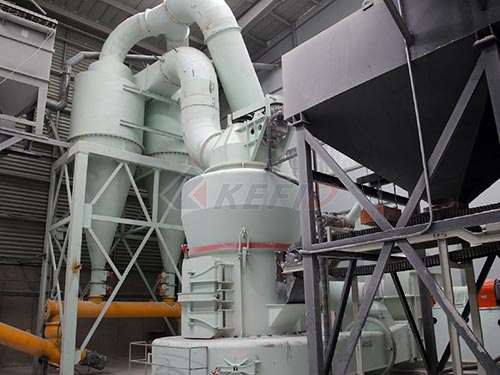
5. Product Portfolio and Applications
A modern limestone processing plant typically produces a range of products:
| Product Type | Size Range | Typical Applications |
|---|---|---|
| Riprap / Armour Stone | 300–1000 mm | Coastal protection, riverbank stabilization |
| Road Base / Sub-base | 0–75 mm | Road construction, foundation layers |
| Concrete Aggregate | 5–20 mm | Ready-mix concrete, precast products |
| Asphalt Aggregate | 5–15 mm | Hot mix asphalt |
| Agricultural Lime | 0–2 mm (powder) | Soil pH adjustment, nutrient availability |
| Industrial Filler | 45–200 µm | Plastics, paints, rubber, adhesives |
| Flue Gas Desulfurization (FGD) | 20–50 µm | Power plant scrubbers |
| Cement Raw Meal | 0–100 µm | Kiln feed for cement production |
6. Environmental Management and Sustainability
Limestone mining and processing have significant environmental impacts that must be managed through rigorous planning and regulatory compliance.
6.1 Dust Control
Dust is the most visible emission. Control measures include:
6.2 Noise and Vibration
Blasting and heavy machinery generate noise and vibration. Mitigation includes:
6.3 Water Management
Processing plants consume large volumes of water for washing, dust suppression, and cooling. A closed-loop water system with thickeners and settling ponds is standard to recycle water and minimize discharge. Stormwater runoff is captured in sediment basins to prevent siltation of local waterways.
6.4 Waste Management
Overburden and waste rock are stockpiled for future reclamation. Fine tailings from washing or flotation are dewatered and stored in engineered tailings storage facilities (TSFs) or used as backfill. Some plants incorporate waste into by-products such as manufactured sand or cement additives.
6.5 Rehabilitation and Closure
A comprehensive mine closure plan is required from the outset. Progressive rehabilitation involves reshaping waste dumps, replacing topsoil, and revegetating with native species. The goal is to return the land to a stable, self-sustaining condition, often for agriculture, forestry, or wildlife habitat.
7. Economic and Operational Considerations
7.1 Capital Expenditure (CAPEX)
The cost of building a limestone processing plant varies widely based on capacity, location, and technology. A medium-sized plant (1,000 tph) may require an investment of $50–150 million, including mining equipment, crushers, screens, conveyors, silos, and infrastructure (roads, power, water).
7.2 Operating Expenditure (OPEX)
Key operating costs include:
7.3 Market Dynamics
Limestone is a low-value, high-volume commodity. Profitability depends on proximity to markets, product differentiation, and operational efficiency. Plants located near major construction hubs or industrial centers have a competitive advantage due to lower freight costs.
8. Health, Safety, and Regulatory Compliance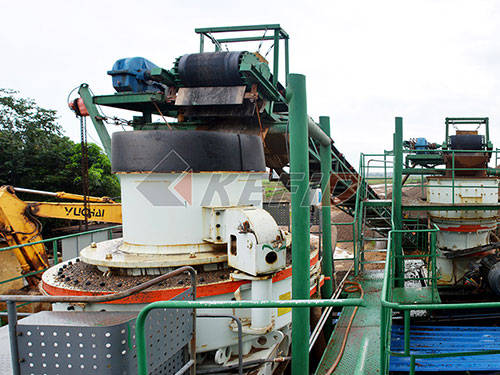
A limestone processing plant must adhere to stringent health and safety standards. Key hazards include:
Safety management systems (e.g., ISO 45001) are implemented, including regular training, hazard identification, risk assessments, and emergency response drills. Regulatory permits cover air emissions, water discharge, waste disposal, and mine safety.
Conclusion
A limestone mining and processing plant is a complex industrial operation that integrates geology, mining engineering, mechanical processing, environmental science, and business management. From the initial resource assessment through blasting, crushing, grinding, beneficiation, and product dispatch, each stage requires careful design and control to produce consistent, high-quality products while minimizing environmental and social impacts. As global demand for infrastructure, agriculture, and industrial materials continues to grow, the role of efficient and sustainable limestone processing plants will remain indispensable. Future trends include automation, digital twin technology, renewable energy integration, and zero-waste processing, all aimed at improving productivity and reducing the carbon footprint of this essential industry.
If you have any questions about our products, please feel free to contact us. We take all inquiries and suggestions very seriously.