
Import Stone Quarry Crushing Plant Delivery: A Comprehensive Analysis of Logistics, Procurement, and Operational Integration
Introduction
The importation and delivery of a complete stone quarry crushing plant represents one of the most capital-intensive and logistically complex undertakings in the aggregate production industry. Whether destined for a greenfield quarry in Sub-Saharan Africa, a limestone operation in Southeast Asia, or a granite deposit in South America, the process of sourcing, shipping, and commissioning an imported crushing plant demands meticulous planning, technical expertise, and robust project management. This article provides a detailed examination of the key phases involved in importing and delivering a stone quarry crushing plant, encompassing procurement strategies, logistical considerations, regulatory compliance, site preparation, and operational integration.
1. Defining the Scope: What Constitutes a Crushing Plant Delivery?
A stone quarry crushing plant is not a single machine but an integrated system of interdependent components. A typical imported plant may include:
The delivery scope may be defined as Free On Board (FOB), Cost, Insurance, and Freight (CIF), or Delivered Duty Paid (DDP), each of which shifts risk and responsibility between the buyer and supplier. Understanding the precise scope is critical, as it determines the division of logistics, insurance, and customs obligations.
2. Procurement Strategy and Supplier Selection
The procurement of an imported crushing plant typically begins with a detailed technical specification developed by the quarry operator or its engineering consultant. This specification must account for:
Suppliers are generally selected through a competitive tender process. Major global manufacturers—such as Metso, Sandvik, Terex, FLSmidth, and ThyssenKrupp—offer complete plant solutions, while regional suppliers may provide cost-effective alternatives. Evaluation criteria should include technical compliance, proven track record, after-sales support, spare parts availability, and total cost of ownership.
Contractual agreements must clearly define delivery terms, payment milestones, performance guarantees, warranty periods, and penalties for delay or underperformance. A well-structured contract is the foundation for a successful import and delivery process.
3. Logistics and Transportation
The logistics of delivering an imported crushing plant are formidable. Components are typically manufactured in multiple locations and consolidated at a port of embarkation. The logistics chain includes:
Oversized and heavy components—such as crusher main frames, large motors, and screen bodies—require careful planning. Route surveys must be conducted to identify bridges, tunnels, and road restrictions. In some cases, temporary road improvements or alternative routes may be necessary. Coordination with local authorities for permits and escorts is essential.
4. Regulatory and Compliance Considerations
Importing a crushing plant involves navigating a complex web of regulations:
Failure to comply with these requirements can result in delays, fines, or even confiscation of equipment. Engaging a reputable customs broker and legal advisor with experience in heavy machinery imports is strongly recommended.
5. Site Preparation and Foundation Works
While the plant is in transit, site preparation must proceed in parallel. This includes:
Foundation design must account for dynamic loads, vibration, and thermal expansion. Poorly designed foundations can lead to premature equipment failure and costly remediation.
6. Installation, Commissioning, and Training
Upon arrival at the site, components are offloaded, inspected for damage, and assembled according to the manufacturer’s instructions. This phase typically involves:
Commissioning is a critical phase where performance is verified against contractual guarantees. Throughput, product gradation, power consumption, and emission levels are measured and documented. Any deficiencies must be rectified before final acceptance.
Operator and maintenance training is often provided by the supplier and should be conducted during commissioning. A well-trained workforce is essential for safe and efficient operation.
7. Operational Integration and After-Sales Support
Once commissioned, the crushing plant must be integrated into the quarry’s overall operations. This includes:
After-sales support from the supplier is critical, particularly during the warranty period. This may include remote diagnostics, on-site technical assistance, and access to genuine spare parts. Long-term service agreements can provide peace of mind and ensure optimal plant performance.
8. Risk Management
The import and delivery of a crushing plant is fraught with risks, including: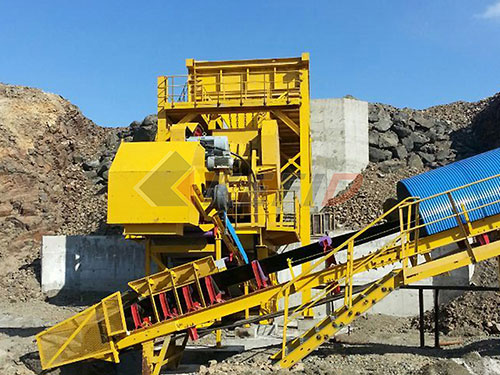
A comprehensive risk management plan should be developed at the outset, with contingencies for each identified risk. Insurance coverage should be arranged for marine cargo, construction all-risk, and liability.
9. Case Study: A Hypothetical Import Project
Consider a 500 tph granite crushing plant imported from Europe to West Africa. The project involves:
This case illustrates the importance of early planning, strong project management, and collaboration between supplier, contractor, and operator.
10. Conclusion
The import and delivery of a stone quarry crushing plant is a multifaceted endeavor that demands technical, logistical, and managerial expertise. From procurement and shipping to installation and commissioning, each phase presents unique challenges and opportunities. Success depends on careful planning, clear communication, and a commitment to quality at every stage. As global demand for aggregates continues to rise, the ability to efficiently import and integrate crushing plants will remain a critical competency for quarry operators worldwide. By adopting a systematic approach and leveraging the expertise of experienced partners, operators can mitigate risks, control costs, and achieve operational excellence in an increasingly competitive industry.
If you have any questions about our products, please feel free to contact us. We take all inquiries and suggestions very seriously.