
Title: Importing a Stone Crusher Plant: A Comprehensive Guide to Pricing, Logistics, and Strategic Considerations
Introduction
The global construction and mining sectors are inextricably linked to the availability of processed aggregates. As infrastructure projects expand in developing nations and maintenance demands rise in developed economies, the need for efficient stone crushing equipment has surged. For many businesses, importing a stone crusher plant represents a significant capital investment and a strategic move to secure a competitive edge. However, the process is fraught with complexities, ranging from fluctuating pricing structures to intricate logistics and regulatory compliance. This article provides a detailed, professional analysis of importing a stone crusher plant, with a specific focus on pricing dynamics, cost components, and the critical factors that influence the final landed cost.
Understanding the Stone Crusher Plant Market
A stone crusher plant is not a single machine but an integrated system designed to reduce large rocks into smaller rocks, gravel, sand, or rock dust. The configuration typically includes a feeder, a primary crusher (jaw or impact), a secondary crusher (cone or impact), a vibrating screen, and conveyor belts. The global market for these plants is dominated by manufacturers in China, Germany, the United States, and Turkey, each offering distinct advantages in terms of technology, durability, and cost.
When importing, buyers must first define their production requirements. A plant capable of processing 50 tons per hour (TPH) will have a vastly different price point than one designed for 500 TPH. The price of a stone crusher plant is not a fixed figure; it is a variable dependent on a matrix of technical specifications, market conditions, and geopolitical factors.
The Core Components of Import Pricing
To understand the import price, one must dissect the total cost into its constituent parts. The “sticker price” or FOB (Free on Board) price is merely the starting point. The true import price is the Landed Cost, which includes several layers.
1. Equipment Cost (FOB Price)
The base cost of the machinery is determined by:
2. International Freight and Logistics
Transporting a stone crusher plant is a logistical challenge due to its weight and volume. Crushers are heavy machinery, often weighing between 10 to 100 tons. Shipping costs are influenced by:
3. Tariffs and Duties
Import duties vary significantly by country. For instance, in the United States, the Harmonized Tariff Schedule (HTS) code for crushing machinery often attracts duties ranging from 0% to 2.5%, depending on the specific classification and country of origin. However, anti-dumping duties and Section 301 tariffs (in the case of Chinese goods) can dramatically increase the cost. In developing nations, duties can be as high as 20-30% to protect local manufacturing.
4. Taxes and Compliance
Value Added Tax (VAT) or Goods and Services Tax (GST) is typically levied at the point of import. While often recoverable for businesses, it represents a significant cash flow requirement. Additionally, compliance with local standards (e.g., CE marking in Europe, EPA regulations in the US) may require third-party inspections or modifications.
5. Inland Transportation and Installation
Once the plant clears customs, it must be transported to the site. This requires specialized heavy-haul trucks and permits. Installation and commissioning costs, including the hire of expert engineers from the manufacturer, are also part of the total investment.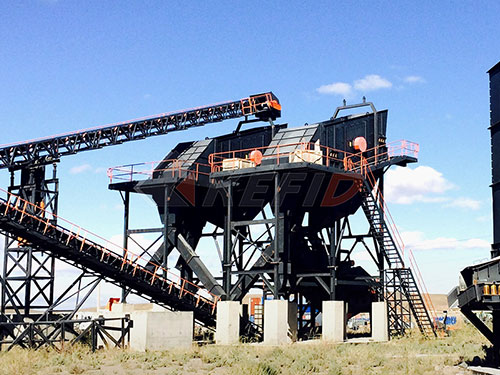
Price Ranges: A Comparative Analysis
To provide a realistic perspective, the following price ranges are indicative of the market (as of 2024). These figures are estimates and exclude shipping, duties, and taxes.
Key Factors Influencing Price Fluctuations
The import price is not static. Several external factors can cause significant volatility:
Strategic Considerations for Importers
To optimize the import price and ensure a successful project, buyers should consider the following strategies:
1. Total Cost of Ownership (TCO) vs. Initial Price
A cheaper plant may have higher maintenance costs, lower efficiency, and shorter lifespan. It is crucial to evaluate the TCO, including spare parts availability, energy consumption, and wear part longevity. A plant that costs 20% more upfront but saves 30% in operating costs over five years is a better investment.
2. Supplier Vetting
Conduct thorough due diligence on the manufacturer. Request factory audits, check references from other importers in your region, and verify certifications (ISO, CE). A reliable supplier will provide clear technical drawings, operation manuals, and training.
3. Negotiating Incoterms and Payment Terms
Opt for FOB terms if you have a reliable freight forwarder to secure better shipping rates. Negotiate payment terms such as a 30% deposit with the balance against a copy of the Bill of Lading. This protects the buyer from non-delivery.
4. Customs Classification
Work with a licensed customs broker to ensure the correct HTS code is used. Misclassification can lead to penalties or overpayment of duties. Understanding free trade agreements (FTAs) can also reduce or eliminate tariffs.
5. After-Sales Support
The import price should include a provision for after-sales service. Ensure the contract specifies the availability of spare parts, warranty terms, and the cost of sending technicians for installation and training.
Conclusion
Importing a stone crusher plant is a complex but potentially highly profitable venture. The price of the plant is a multi-dimensional figure that extends far beyond the initial quotation. It encompasses the machinery, logistics, tariffs, taxes, and ongoing operational costs. By understanding the nuances of the pricing structure and the factors that influence it, importers can make informed decisions, negotiate effectively, and secure a plant that delivers long-term value. In an industry where downtime is costly and efficiency is paramount, investing in the right crusher plant at the right landed cost is not just a purchase—it is a strategic foundation for business growth.
As global infrastructure demands continue to rise, the import of high-quality stone crushing equipment will remain a critical component of the supply chain. Armed with the knowledge of pricing dynamics and import best practices, businesses can navigate this complex landscape with confidence and precision.
If you have any questions about our products, please feel free to contact us. We take all inquiries and suggestions very seriously.