
Title: Sourcing Affordable Impact Crushers: A Strategic Guide for Importers
Introduction
In the aggregate, mining, and construction waste recycling industries, the impact crusher stands as a cornerstone of secondary and tertiary crushing operations. Its ability to produce a highly cubical product with excellent reduction ratios makes it indispensable for producing high-quality concrete aggregates and asphalt chips. However, for many buyers—particularly those in emerging markets or small-to-medium enterprises (SMEs)—the capital expenditure associated with high-end European or American machinery can be prohibitive. Consequently, the demand for affordable impact crusher imports has surged, driven by a globalized supply chain that offers viable, cost-effective alternatives without necessarily sacrificing operational integrity.
This article provides a professional, objective analysis of the landscape for importing affordable impact crushers. It examines the key sourcing regions, the technical distinctions between price tiers, the hidden costs of procurement, and the strategic measures importers must take to ensure value retention over the equipment’s lifecycle.
The Economics of Affordable Impact Crushers
The definition of “affordable” in the context of heavy industrial machinery is relative. It does not imply “cheap” in the pejorative sense; rather, it refers to an optimized cost-benefit ratio. An affordable impact crusher is one that delivers the required throughput, reduction ratio, and product shape for a lower initial capital outlay, while maintaining acceptable levels of wear-part longevity and mechanical reliability.
The primary driver of affordability in the global market is the manufacturing origin. While domestic manufacturers in North America and Western Europe command premium prices due to high labor costs, stringent environmental regulations, and extensive R&D legacies, manufacturers in Asia—particularly China, India, and Turkey—have closed the technological gap significantly over the past two decades. These regions now produce impact crushers that adhere to international quality standards (such as CE or ISO certification) at a fraction of the Western cost.
Key Sourcing Hubs for Importers
China: China remains the dominant source for affordable impact crushers. The country’s mature supply chain for castings, bearings, and electric motors allows for competitive pricing. Chinese manufacturers offer a wide spectrum of quality tiers. Importers can source basic horizontal shaft impactors (HSI) for recycling applications or sophisticated vertical shaft impactors (VSI) for sand manufacturing. The key for importers is to differentiate between “trading companies” that merely assemble parts and “manufacturers” with in-house fabrication and machining capabilities.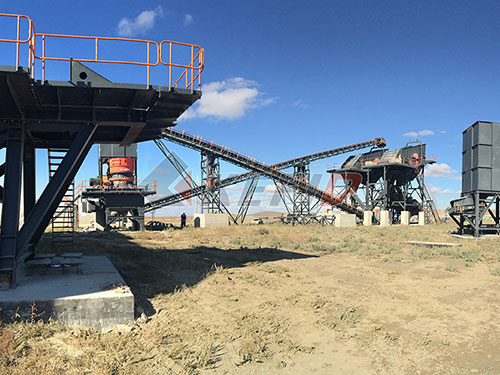
Turkey: Geographically positioned as a bridge between Europe and Asia, Turkey has emerged as a strong competitor in the mid-market segment. Turkish manufacturers often utilize European components (such as Siemens motors or SKF bearings) while maintaining lower labor costs. For importers in Europe, the Middle East, and North Africa, Turkey offers logistical advantages and a quality perception that often sits between that of Chinese and Western European goods.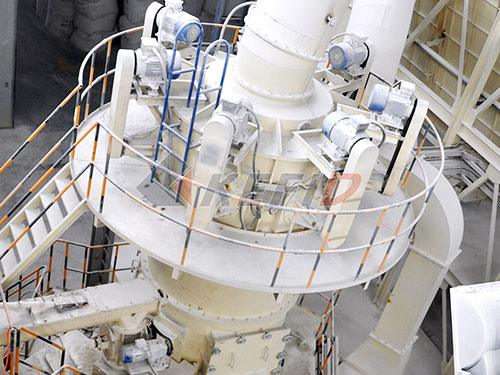
India: India is a significant source for affordable impact crushers, particularly for importers in Africa and Southeast Asia. Indian manufacturers are known for robust, simple designs that are easy to maintain in remote locations. The pricing is highly competitive, though importers must carefully vet the manufacturer’s quality control processes, as the variance in build quality can be wider than in China or Turkey.
Technical Trade-offs: What Does “Affordable” Actually Mean?
When importing an affordable impact crusher, buyers must understand the engineering trade-offs. A lower price point is typically achieved through several means, and understanding these is critical for objective decision-making.
The Hidden Costs of Importing: A Total Cost of Ownership (TCO) Approach
A common pitfall for importers is focusing solely on the FOB (Free on Board) price. To accurately assess affordability, one must calculate the Total Cost of Ownership (TCO). This includes:
Risk Mitigation Strategies for Importers
To ensure that the pursuit of affordability does not result in a loss of quality, professional importers employ rigorous due diligence.
Conclusion
The global market for affordable impact crushers is mature and offers viable solutions for importers seeking to balance capital expenditure with operational requirements. By sourcing from established manufacturing hubs in China, Turkey, and India, importers can access technology that is capable of producing high-quality aggregates at a competitive price point.
However, affordability should not be conflated with low quality. The successful importer approaches the procurement of an impact crusher with a focus on Total Cost of Ownership. By scrutinizing material specifications, demanding branded components, securing spare parts supply chains, and conducting thorough factory audits, importers can mitigate risk. Ultimately, the most affordable crusher is not the one with the lowest sticker price, but the one that operates reliably, day in and day out, with minimal downtime and predictable maintenance costs. In an industry defined by tight margins, this strategic approach to importing is not just advisable—it is essential for long-term profitability.
If you have any questions about our products, please feel free to contact us. We take all inquiries and suggestions very seriously.