
Sourcing Gold Ore Crushing Equipment from Wholesalers: A Comprehensive Guide
The global gold mining industry relies heavily on the efficient and reliable reduction of raw ore into manageable particle sizes. This initial stage of comminution—crushing—is critical, as it directly influences downstream grinding efficiency, recovery rates, and overall operational costs. For mining companies, project developers, and procurement specialists, sourcing gold ore crushing equipment from wholesalers represents a strategic decision that balances capital expenditure, technical specifications, and long-term supply chain resilience. This article provides a detailed, objective examination of the wholesale sourcing landscape for gold ore crushing equipment, covering equipment types, key selection criteria, wholesaler categories, due diligence protocols, and emerging trends.
The Role of Crushing in Gold Ore Processing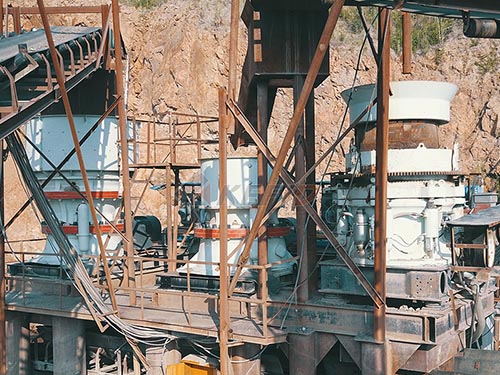
Gold ore crushing is the first mechanical stage in the extractive metallurgy chain. Run-of-mine (ROM) ore, which may range from less than 100 mm to over 1,000 mm in diameter, must be reduced to a size suitable for grinding mills—typically 10–20 mm or finer, depending on the liberation characteristics of the gold-bearing minerals. The primary objectives of crushing are threefold: (1) to liberate gold particles from the gangue matrix, (2) to prepare a consistent feed for subsequent grinding or heap leaching, and (3) to maximize throughput while minimizing energy consumption and wear.
Because gold occurs in diverse geological formations—from quartz veins to sulfide-rich refractory ores—no single crushing solution fits all operations. This diversity drives demand for a wide range of equipment types, which in turn sustains a complex global network of wholesalers, distributors, and original equipment manufacturers (OEMs).
Core Equipment Categories Offered by Wholesalers
Wholesalers specializing in gold ore crushing equipment typically stock or broker several categories of machinery. Understanding these categories is essential for informed sourcing.
1. Jaw Crushers
Jaw crushers are the most common primary crushing units for gold ore. They operate by compressing material between a fixed jaw and a moving jaw, reducing large ROM ore to sizes typically between 50 mm and 150 mm. Wholesalers offer models with feed openings ranging from 250 × 400 mm to 1,500 × 1,800 mm, with capacities from a few tonnes per hour to over 1,000 tonnes per hour. Key specifications include the eccentric shaft speed, toggle plate angle, and jaw plate material (often manganese steel or high-chrome alloys).
2. Cone Crushers
For secondary and tertiary crushing, cone crushers—particularly hydraulic cone crushers—are widely used in gold processing plants. They provide a high reduction ratio and produce a cubical product with minimal fines. Wholesalers may offer spring cone crushers, single-cylinder hydraulic cone crushers, or multi-cylinder hydraulic cone crushers. The choice depends on ore hardness, required product size, and throughput. For refractory gold ores, finer crushing in cone crushers can enhance downstream liberation.
3. Impact Crushers
Horizontal shaft impact (HSI) and vertical shaft impact (VSI) crushers are sometimes used for gold ore, especially where the ore is relatively soft or where a high degree of size reduction is needed in a single pass. However, impact crushers are less common in hard-rock gold operations due to higher wear rates. Wholesalers may recommend impact crushers for specific applications such as crushing gold-bearing alluvial deposits or recycling mine waste.
4. Roll Crushers
Roll crushers, including smooth roll and toothed roll types, are occasionally employed for sticky or clay-rich gold ores that tend to choke jaw or cone crushers. They are also used in laboratory-scale operations. Wholesalers typically stock smaller roll crushers for pilot plants and modular mining units.
5. Mobile and Modular Crushing Plants
Increasingly, wholesalers offer mobile crushing plants (track-mounted or wheel-mounted) and modular plants that integrate a jaw or cone crusher with feeders, screens, and conveyors. These units are particularly attractive for small-scale gold mining operations, remote deposits, and projects with short mine lives. They reduce site construction costs and can be relocated as the mining front advances.
Key Criteria for Sourcing from Wholesalers
Sourcing gold ore crushing equipment from wholesalers requires a systematic evaluation framework. The following criteria are paramount.
Technical Compatibility
The equipment must match the ore’s physical and mechanical properties. Work index (Wi), abrasion index (Ai), bulk density, moisture content, and feed size distribution are critical parameters. A wholesaler should provide verified test data or facilitate laboratory crushing tests. For gold ores with high silica content, wear-resistant liners and robust bearings are essential.
Capacity and Scalability
The crushing circuit must be designed for the mine’s projected throughput, with allowance for future expansion. Wholesalers should clarify whether the equipment can be upgraded—for example, by changing the eccentric throw or installing a larger motor—without replacing the entire unit.
Energy Efficiency
Crushing accounts for a significant portion of a gold plant’s energy consumption. Wholesalers should provide specific energy consumption (kWh/t) data and compare different models. High-efficiency motors, optimized crushing chambers, and variable frequency drives (VFDs) can reduce operating costs.
Wear Parts and After-Sales Support
The availability and cost of wear parts—jaw plates, cone liners, blow bars, and toggle plates—directly affect total cost of ownership. Wholesalers with regional warehouses or partnerships with local foundries can reduce downtime. After-sales support, including installation supervision, operator training, and preventive maintenance programs, is a key differentiator among wholesalers.
Compliance and Certification
Equipment destined for gold mining operations must comply with relevant standards, such as CE, ISO 9001, and local mining safety regulations. Wholesalers should provide certificates of origin, material test reports, and warranty terms. For projects financed by international lenders, compliance with IFC Performance Standards and Equator Principles may also be required.
Types of Wholesalers and Their Roles
The wholesale landscape for gold ore crushing equipment includes several distinct player types.
OEM-Authorized Wholesalers
These wholesalers are official distributors for major manufacturers such as Metso, Sandvik, Terex, FLSmidth, and Weir. They offer genuine parts, factory warranties, and technical support. Their pricing is typically higher, but the risk of counterfeit or substandard equipment is minimal.
Independent Wholesalers and Traders
Independent wholesalers source equipment from multiple manufacturers, including emerging suppliers in China, India, Turkey, and Brazil. They often offer competitive pricing and flexible payment terms. However, buyers must conduct thorough due diligence on the equipment’s provenance, quality control, and spare parts availability.
Online B2B Platforms
Platforms such as Alibaba, Made-in-China, and Global Sources host thousands of wholesalers offering gold ore crushing equipment. While these platforms provide convenience and price transparency, they also carry risks of misrepresentation. Buyers should verify supplier credentials, request third-party inspection, and use escrow payment methods.
Auction and Surplus Equipment Wholesalers
Used or surplus crushing equipment is available through auction houses and specialized wholesalers. This can be a cost-effective option for smaller operations or temporary projects. However, used equipment requires thorough inspection, and warranties are often limited or absent.
Due Diligence and Risk Mitigation
Sourcing from wholesalers entails risks that must be actively managed.
Supplier Verification
Verify the wholesaler’s business license, export history, and references from previous clients. Site visits to the wholesaler’s warehouse or the manufacturer’s factory are strongly recommended for large orders.
Contractual Clarity
Contracts should specify equipment model, technical parameters, delivery schedule, payment terms, warranty period, and dispute resolution mechanisms. Incoterms (e.g., FOB, CIF, DDP) should be clearly defined.
Inspection and Testing
Pre-shipment inspection by a third-party agency (e.g., SGS, Bureau Veritas) can confirm equipment dimensions, material grades, and functional performance. Factory acceptance testing (FAT) is advisable for custom or high-value units.
Logistics and Customs
Crushing equipment is bulky and heavy, making logistics a significant cost component. Wholesalers should provide accurate weights, dimensions, and packaging details. Customs classification, import duties, and local content requirements must be addressed early.
Emerging Trends in Wholesale Sourcing
Several trends are reshaping how gold ore crushing equipment is sourced from wholesalers.
Digitalization and E-Procurement
Online catalogs, 3D models, and virtual factory tours are becoming standard. Some wholesalers offer digital twins of crushing circuits to simulate performance before purchase.
Sustainability and Energy Transition
Wholesalers are increasingly promoting energy-efficient crushers, electric drives (replacing diesel), and recyclable wear materials. Mining companies with ESG mandates prioritize suppliers with verifiable sustainability credentials.
Modular and Pre-Engineered Solutions
To reduce lead times and site construction, wholesalers are offering pre-engineered crushing modules that can be shipped in standard containers and assembled quickly.
Localization and Regional Hubs
To mitigate supply chain disruptions, some wholesalers are establishing regional warehouses and assembly facilities near major gold mining regions such as West Africa, Australia, and South America.
Conclusion
Sourcing gold ore crushing equipment from wholesalers is a multifaceted process that demands technical expertise, commercial acumen, and rigorous risk management. The right wholesaler can provide not only machinery but also a partnership that enhances operational efficiency and profitability. By understanding equipment categories, applying clear selection criteria, conducting thorough due diligence, and staying abreast of emerging trends, procurement professionals can secure reliable, cost-effective crushing solutions for gold mining projects worldwide. As the gold industry continues to evolve—driven by resource depletion, technological innovation, and sustainability imperatives—the role of wholesalers as strategic partners will only grow in importance.
If you have any questions about our products, please feel free to contact us. We take all inquiries and suggestions very seriously.