Gold Ore Crushing Equipment Distributors Sourcing: A Comprehensive Guide for Mining Operations
The global mining industry, particularly the gold extraction sector, relies heavily on efficient and reliable crushing equipment to process ore from its raw, extracted state into a form suitable for further beneficiation. Sourcing the right distributors for gold ore crushing equipment is a critical strategic decision that impacts operational efficiency, capital expenditure (CAPEX), operational expenditure (OPEX), and overall project viability. This article provides a detailed, professional, and objective analysis of the process, challenges, and best practices involved in sourcing distributors for gold ore crushing equipment.
1. Understanding the Gold Ore Crushing Process and Equipment Needs
Before delving into distributor sourcing, it is essential to understand the specific equipment requirements for gold ore processing. Gold ore is often associated with hard, abrasive rock types such as quartz, granite, and various metamorphic rocks. The crushing process typically involves multiple stages: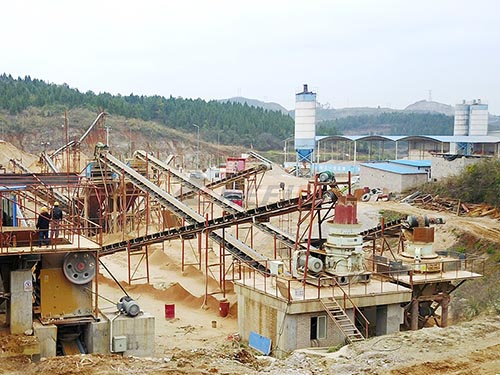
- Primary Crushing: Large run-of-mine (ROM) ore, often with a top size of 1 meter or more, is reduced to a manageable size (150–300 mm). Jaw crushers and gyratory crushers are the primary choices. Distributors must offer robust, high-capacity machines capable of handling extreme feed sizes and high throughput.
- Secondary Crushing: The product from primary crushing is further reduced to 20–50 mm. Cone crushers and impact crushers (where applicable) are common. For gold ore, cone crushers are often preferred due to their ability to produce a consistent, cubical product and handle high compressive strength materials.
- Tertiary/Quaternary Crushing: For finer reduction (down to 5–15 mm) prior to grinding, short-head cone crushers, high-pressure grinding rolls (HPGRs), or vertical shaft impact (VSI) crushers may be used. The choice depends on the ore’s hardness, moisture content, and the desired final particle size distribution.
Key equipment parameters include throughput capacity (tons per hour), power consumption, wear part life, maintenance accessibility, and automation capabilities. Distributors must be able to supply equipment that matches the specific ore characteristics and operational scale.
2. The Role of Distributors in the Mining Equipment Supply Chain
Distributors act as intermediaries between original equipment manufacturers (OEMs) and end-users (mining companies). Their role extends beyond simple product sales. A competent distributor provides:
- Local Market Knowledge: Understanding regional mining regulations, logistical challenges, and local workforce skill levels.
- Inventory and Spare Parts Management: Maintaining a stock of critical wear parts (liners, mantles, jaw plates) and common spare parts to minimize downtime.
- Technical Support and Service: Offering installation supervision, commissioning, operator training, and ongoing maintenance services.
- After-Sales Support: Providing warranty services, troubleshooting, and performance optimization advice.
- Financing and Leasing Options: In some regions, distributors may offer flexible payment terms or equipment leasing to reduce upfront CAPEX.
Sourcing the right distributor is not merely about finding a supplier; it is about establishing a long-term partnership that ensures equipment reliability and operational continuity.
3. Key Criteria for Evaluating Gold Ore Crushing Equipment Distributors
When sourcing distributors, mining companies and project developers must evaluate potential partners against a set of rigorous criteria:
3.1. OEM Authorization and Product Portfolio
- Authorized Status: Verify that the distributor is an authorized dealer for reputable OEMs such as Metso Outotec, Sandvik, FLSmidth, ThyssenKrupp, or Terex. Unauthorized distributors may sell counterfeit or refurbished parts, leading to safety risks and performance issues.
- Product Range: The distributor should offer a comprehensive range of crushers (jaw, cone, impact, gyratory) and ancillary equipment (feeders, screens, conveyors) to provide integrated solutions. A narrow product line may force the buyer to source from multiple vendors, complicating logistics and service.
3.2. Geographic Coverage and Logistics Capability
- Proximity to Mine Site: Distributors with local warehouses, service centers, and field service teams can respond faster to emergencies. For remote gold mines in Africa, South America, or Central Asia, local presence is critical.
- Transportation Infrastructure: Assess the distributor’s ability to handle heavy, oversized equipment. This includes access to specialized heavy-haul trucks, cranes, and customs clearance expertise for cross-border shipments.
3.3. Technical Expertise and Engineering Support
- Application Engineering: The distributor should have in-house engineers who can analyze ore samples, recommend the correct crusher type and configuration, and design the crushing circuit layout. This is especially important for complex ores with high clay content or variable hardness.
- Process Optimization: Look for distributors that offer plant audits, performance benchmarking, and recommendations for improving throughput or reducing energy consumption.
3.4. Spare Parts Availability and Lead Times
- Critical Spare Parts Inventory: The distributor must stock high-wear items (manganese liners, bronze bushings, eccentric assemblies) and common electrical/mechanical components. Lead times for non-stocked parts should be clearly defined (e.g., 2–4 weeks for standard items).
- Genuine vs. Aftermarket Parts: Clarify whether the distributor supplies only OEM parts or also offers aftermarket alternatives. While aftermarket parts may be cheaper, they often have shorter lifespans and may void OEM warranties.
3.5. Service and Maintenance Capabilities
- Field Service Team: The distributor should employ certified technicians who can perform installation, commissioning, and emergency repairs. Verify their training certifications from OEMs.
- Preventive Maintenance Programs: Many distributors offer scheduled maintenance contracts, which can reduce unplanned downtime and extend equipment life.
3.6. Financial Stability and Reputation
- Creditworthiness: A financially stable distributor is less likely to default on warranty obligations or go out of business, leaving the buyer without support.
- Client References: Request references from other gold mining operations in similar geological and operational contexts. Check for complaints regarding delivery delays, poor service, or quality issues.
3.7. Compliance and Safety Standards
- Safety Certifications: Ensure the distributor’s equipment meets international safety standards (e.g., CE, ISO 9001, ISO 14001). For mines in jurisdictions with strict regulations (e.g., Canada, Australia, the US), compliance is non-negotiable.
- Environmental Compliance: Distributors should be able to provide equipment that meets local emission and noise regulations, especially for operations near populated areas.
4. Sourcing Channels and Strategies
Mining companies can source distributors through several channels, each with its own advantages and risks:
4.1. Direct OEM Channels
- Advantages: Guaranteed genuine parts, direct factory support, and access to the latest technology.
- Disadvantages: Higher costs, longer lead times for remote locations, and less flexibility in payment terms.
- Best For: Large-scale, high-budget operations where reliability is paramount.
4.2. Regional Authorized Distributors
- Advantages: Local presence, faster response, inventory tailored to regional ore types, and often more competitive pricing.
- Disadvantages: May have limited product range or technical depth compared to OEMs.
- Best For: Mid-sized operations or mines in developing regions.
4.3. Independent Aftermarket Suppliers
- Advantages: Lower prices for wear parts, flexible sourcing.
- Disadvantages: Risk of counterfeit or substandard parts, no OEM warranty, and limited engineering support.
- Best For: Non-critical applications or as a temporary solution during OEM part shortages.
4.4. Online Marketplaces and B2B Platforms
- Platforms: Alibaba, Made-in-China, Global Sources, and industry-specific portals like Mining.com or InfoMine.
- Advantages: Wide selection, ability to compare prices, and direct contact with manufacturers.
- Disadvantages: High risk of fraud, difficulty verifying quality, and lack of after-sales support.
- Best For: Small-scale operations or sourcing low-cost, non-critical components.
4.5. Industry Trade Shows and Conferences
- Events: MINExpo, Bauma, PDAC, and local mining expos.
- Advantages: Face-to-face meetings, equipment demonstrations, and networking with multiple distributors simultaneously.
- Disadvantages: Time-consuming and costly to attend.
- Best For: Building relationships and evaluating new technologies.
5. Challenges in Distributor Sourcing for Gold Ore Crushing
Sourcing distributors is fraught with challenges that can derail project timelines and budgets:
5.1. Counterfeit and Gray Market Equipment
- Issue: Unauthorized distributors may sell refurbished or counterfeit crushers that fail prematurely.
- Mitigation: Always verify OEM authorization through the manufacturer’s website or direct contact. Request serial numbers and factory inspection reports.
5.2. Logistical Complexities
- Issue: Transporting heavy crushers (often 50–200 tons) to remote mine sites requires specialized permits, road upgrades, and careful planning.
- Mitigation: Work with distributors that have proven logistics partners and experience in your region.
5.3. Currency and Payment Risks
- Issue: Fluctuating exchange rates and payment terms (e.g., letters of credit vs. advance payment) can affect total cost.
- Mitigation: Negotiate fixed-price contracts in a stable currency (USD or EUR) and use escrow services for large transactions.
5.4. After-Sales Service Gaps
- Issue: Some distributors provide excellent sales support but poor after-sales service, leading to extended downtime.
- Mitigation: Include service level agreements (SLAs) in contracts, specifying response times, spare parts availability, and penalties for non-compliance.
5.5. Changing Ore Characteristics
- Issue: As mining progresses, ore hardness, moisture, or clay content may change, requiring different crusher configurations.
- Mitigation: Choose a distributor that offers flexible upgrade paths (e.g., interchangeable crushing chambers) and ongoing process optimization.
6. Best Practices for Successful Distributor Sourcing
To maximize the value of distributor relationships, mining companies should adopt the following best practices:
- Conduct a Thorough Needs Assessment: Define throughput requirements, ore characteristics, site constraints (power, water, space), and budget before approaching distributors.
- Request Detailed Proposals: Ask for technical specifications, pricing breakdowns (equipment, shipping, installation, training), and warranty terms in writing.
- Perform Site Visits: Inspect the distributor’s warehouse, service center, and previous installations to assess their capabilities firsthand.
- Negotiate Comprehensive Contracts: Include clauses for performance guarantees, liquidated damages for delays, and dispute resolution mechanisms.
- Establish a Long-Term Relationship: Treat the distributor as a partner, not a vendor. Regular communication and joint planning can lead to better pricing, priority service, and technology upgrades.
- Monitor Performance Metrics: Track key performance indicators (KPIs) such as equipment uptime, spare parts availability, and response time to service calls.
7. Conclusion
Sourcing distributors for gold ore crushing equipment is a multifaceted process that requires careful evaluation of technical, logistical, financial, and service-related factors. The right distributor can significantly enhance operational efficiency, reduce downtime, and lower total cost of ownership. Conversely, a poor choice can lead to costly delays, safety hazards, and equipment failures.
Mining companies should prioritize authorized distributors with strong local presence, proven technical expertise, and a commitment to after-sales support. By conducting rigorous due diligence, negotiating clear contracts, and fostering long-term partnerships, gold mining operations can secure the crushing equipment they need to maximize recovery and profitability. As the industry continues to evolve with automation, digitalization, and sustainability trends, distributors that invest in these areas will become even more valuable partners in the gold ore processing value chain.
