
Gold Ore Crushing Equipment Company Specification: A Comprehensive Technical Overview
The gold mining industry relies heavily on efficient and robust crushing equipment to liberate gold particles from the surrounding ore. The specification of such equipment is not merely a list of dimensions and power ratings; it is a critical document that defines the operational capabilities, durability, and economic viability of a processing plant. This article provides a detailed, professional, and objective examination of the specifications for gold ore crushing equipment, focusing on the key parameters, types of machinery, material considerations, and the role of the manufacturing company in delivering fit-for-purpose solutions.
Gold ore, often found in hard rock deposits, requires size reduction from run-of-mine (ROM) material, which can be as large as 1 meter in diameter, down to a fine powder (typically <75 microns) for effective gold recovery via cyanidation or gravity separation. The crushing stage is the first and most energy-intensive step in the comminution circuit. A well-specified crushing system minimizes downtime, reduces operating costs, and maximizes throughput. The specification provided by a gold ore crushing equipment company must therefore address the unique challenges of abrasive, high-density, and often heterogeneous ore bodies.
When evaluating a gold ore crushing equipment company’s offering, several technical parameters are non-negotiable. These specifications are typically presented in a datasheet or a technical proposal.
Throughput is the primary metric. It is defined as the mass of ore processed per hour, usually expressed in metric tons per hour (mtph). For gold ore, typical capacities range from 50 mtph for small-scale operations to over 2,000 mtph for large open-pit mines. The specification must state the capacity at a specific closed-side setting (CSS) and ore bulk density (e.g., 1.6 t/m³). A reputable company will provide a capacity curve rather than a single number, accounting for variations in feed gradation and moisture content.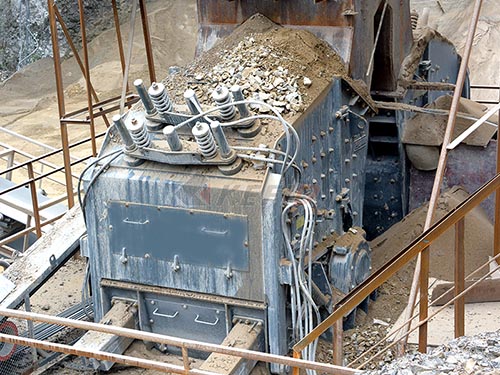
The ratio of feed size to product size. Gold ore crushers typically achieve reduction ratios of 4:1 to 6:1 for jaw crushers, 3:1 to 5:1 for cone crushers, and up to 20:1 for impact crushers (though impactors are less common for hard gold ores due to wear).
Gold ore is highly abrasive due to the presence of quartz. The specification must detail:
A complete gold ore crushing circuit typically includes three stages: primary, secondary, and tertiary. Each stage has distinct specifications.
Crushing is always paired with screening. Specifications for vibrating screens include: deck size (e.g., 2.4 m x 6.0 m), number of decks, stroke length (8–12 mm), and motor power (15–30 kW). The company must specify the screen media (polyurethane, rubber, or woven wire) to handle the abrasive gold ore.
The durability of gold ore crushing equipment is directly tied to material science and engineering design.
Modern gold ore crushers are equipped with PLC-based control systems. Specifications include:
A gold ore crushing equipment company’s specification is also a reflection of its manufacturing standards and after-sales support.
Reputable companies adhere to international standards such as ISO 9001 for quality management, ISO 14001 for environmental management, and OHSAS 18001 for occupational health. The specification should reference these certifications. For example, a company like FLSmidth or ThyssenKrupp will provide a detailed quality control plan, including non-destructive testing (NDT) of welds (e.g., ultrasonic testing for 100% of critical welds).
The specification should include factory acceptance tests (FAT) and site acceptance tests (SAT). For a cone crusher, this might involve a no-load run for 4 hours, followed by a load test at 75% capacity. The company must specify the allowable vibration levels (e.g., <2.5 mm/s RMS) and temperature rise (e.g., <40°C above ambient).
A critical part of the specification is the list of recommended spare parts for the first two years of operation. This includes:
The company should also specify the lead time for critical spares (e.g., 4–6 weeks for standard wear parts) and the availability of field service engineers.
Gold ore crushing equipment must comply with stringent environmental and safety regulations.
The specification of gold ore crushing equipment is a living document that bridges the gap between the mining company’s process requirements and the manufacturer’s engineering capabilities. A well-written specification ensures that the equipment will achieve the desired throughput, product size, and operational reliability while minimizing total cost of ownership (TCO). For a gold ore crushing equipment company, the specification is not just a sales tool; it is a technical commitment to performance, safety, and durability.
When selecting a supplier, mining engineers should scrutinize the specification for clarity on wear life, power consumption, and after-sales support. A company that provides detailed, verifiable specifications—including capacity curves, material certifications, and testing protocols—demonstrates the expertise and reliability necessary for the demanding environment of gold ore processing. Ultimately, the right specification, matched with the right equipment, is the foundation of a profitable and sustainable gold mining operation.
If you have any questions about our products, please feel free to contact us. We take all inquiries and suggestions very seriously.