
Title: Global Landscape and Strategic Considerations for Export Gold Ore Crushing Equipment Distributors
Introduction
The global mining industry, particularly the gold extraction sector, remains a cornerstone of economic development in resource-rich nations. Central to the efficiency and profitability of gold mining operations is the comminution circuit—the process of reducing run-of-mine (ROM) ore to a particle size suitable for subsequent extraction methods such as cyanidation, flotation, or gravity concentration. Within this circuit, crushing equipment plays a pivotal role. As mining operations expand into increasingly remote and geologically complex regions, the demand for robust, high-capacity, and energy-efficient gold ore crushing equipment has surged. This demand has created a significant market opportunity for specialized distributors who can bridge the gap between manufacturers in industrialized nations and end-users in mineral-rich developing countries.
This article provides a comprehensive, professional analysis of the export market for gold ore crushing equipment distributors. It examines the types of equipment involved, key market drivers and challenges, major sourcing regions (manufacturing hubs), target export markets (consumption hubs), logistical and regulatory considerations, competitive dynamics among distributors, and future trends shaping this specialized trade sector.
1. The Core Product Portfolio: Types of Gold Ore Crushing Equipment
A distributor specializing in gold ore crushing must possess deep technical knowledge of various machine types, as each stage of the crushing process requires specific equipment. The primary categories include:
A successful distributor must not only supply these machines but also provide technical specifications regarding throughput capacity (tons per hour), power requirements (kW), closed-side setting ranges, wear part life expectancy (manganese steel liners), and compatibility with existing plant layouts.
2. Market Drivers Fueling Export Demand
Several structural factors underpin the growing need for imported gold ore crushing equipment:
3. Key Manufacturing Hubs: Where Distributors Source Equipment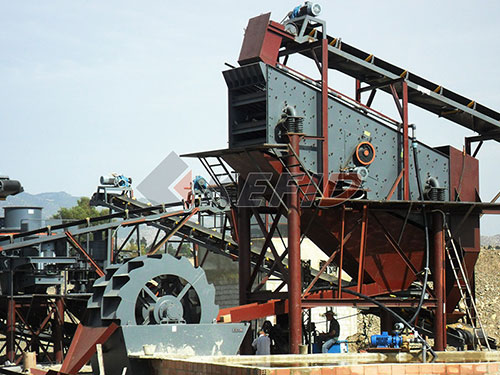
Distributors typically source from established industrial regions known for metallurgical expertise:
Distributors must carefully evaluate total cost-of-ownership including freight costs per cubic meter volume vs weight ratio—crusher components are dense steel castings making sea freight expensive.
4. Target Export Markets: Regional Analysis
Effective distributors segment markets based on geological maturity:
| Region | Key Countries | Dominant Equipment Needs | Challenges |
|---|---|---|---|
| West Africa | Ghana; Mali; Burkina Faso | Mobile jaw/cone combos; modular plants | Political instability; port congestion |
| East Africa | Tanzania; Ethiopia | Small jaw crushers (<50 tph) + diesel engines | Poor road infrastructure |
| Central Asia | Kazakhstan; Uzbekistan | Large gyratory/crushing stations (-40°C tolerance) | Customs delays at land borders |
| South America | Peru; Chile; Ecuador | HPGR units + conveyor systems | High altitude logistics (>4000m) |
| Southeast Asia | Indonesia; Philippines | Secondary cone crushers + spare parts stockholding | Monsoon season affecting deliveries |
Notably: Australia & Canada represent mature markets where distributors focus on aftermarket parts rather than new machine sales due to saturated installed base.
5. Logistics & Regulatory Compliance
Exporting heavy machinery involves complex logistics:
6 Competitive Dynamics Among Distributors
The distribution channel structure varies significantly:
a) Exclusive Authorized Dealers: Large OEMs appoint regional exclusive dealers who maintain demonstration facilities trained service engineers spare parts warehouses Example Sandvik’s dealer network covering Southern Africa through Barloworld Equipment
b) Independent Multi-Brand Distributors: Companies like Kanu Equipment based Mauritius represent multiple brands simultaneously offering clients comparative pricing This model works well when end-users prioritize lowest initial purchase price over brand loyalty
c) Project-Based Procurement Agents: Specialized firms that source specific machines per project then dissolve after delivery Common among small-scale artisanal miners upgrading operations
d) OEM Direct Sales Teams Major players increasingly bypass traditional distributors using digital platforms e-commerce portals especially during pandemic era travel restrictions However this approach struggles providing localized after-sales support crucial heavy machinery uptime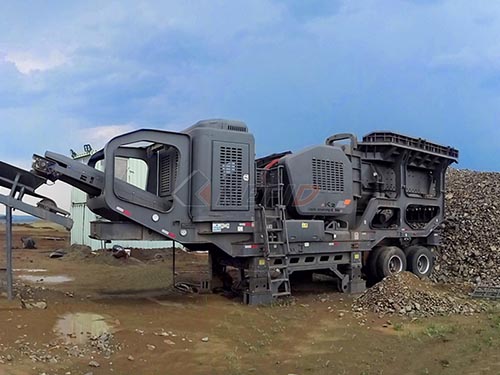
Key success factors include:
• Inventory management balancing stock holding costs vs emergency demand fulfillment
• Technical training programs teaching mine maintenance teams proper liner rotation patterns lubrication schedules
• Financing partnerships offering leasing options where miners pay per ton crushed rather than upfront capital expenditure
7 Future Trends Shaping Distribution Strategies
Several developments will redefine how exporters operate over next decade:
a) Electrification & Hybridization: Diesel-powered mobile plants face regulatory pressure especially within environmentally sensitive areas near national parks Distributors must develop capabilities supplying electric-driven units battery storage solutions compatible remote sites lacking grid connections
b) Digital Twin Integration: Leading OEMs now provide virtual commissioning services where distributor engineers simulate plant performance using cloud-based software before physical installation Reduces site visit costs improves accuracy component selection
c) Circular Economy Pressures: Mining companies increasingly require suppliers take back worn-out manganese liners recycle steel content Distributors establishing reverse logistics networks gain competitive advantage particularly Europe where Extended Producer Responsibility laws tighten annually
d) Artisanal Mining Formalization: Governments across Latin America Africa implementing programs legalize small-scale miners creating new demand entry-level jaw crushers hammer mills priced under $10000 Distributors targeting this segment must adapt payment models accepting mobile money cryptocurrency transactions prevalent informal economies
Conclusion
Exporting gold ore crushing equipment represents technically demanding yet financially rewarding specialization within global mining supply chain Successful distributors combine deep metallurgical knowledge understanding regional infrastructure constraints ability navigate complex trade regulations while maintaining robust aftermarket support networks As ore grades continue decline frontier mines push deeper remote locations role reliable efficient comminution technology becomes ever more critical Those distributors who invest digital tools sustainable practices flexible financing will position themselves capture growth opportunities presented evolving global gold mining landscape
If you have any questions about our products, please feel free to contact us. We take all inquiries and suggestions very seriously.