Eco-Friendly Stone Crusher Machine Dealers: Pioneering Sustainable Construction and Mining Practices
The global construction and mining industries are under increasing pressure to reduce their environmental footprint. As the demand for aggregates, sand, and crushed stone continues to rise—driven by urbanization, infrastructure development, and industrial growth—the machinery used to process these materials has come under scrutiny. Traditional stone crushers are notorious for high energy consumption, noise pollution, dust emissions, and inefficient use of resources. In response, a new generation of eco-friendly stone crusher machines has emerged, and with them, a specialized network of dealers who prioritize sustainability, efficiency, and regulatory compliance. This article provides a comprehensive, objective analysis of eco-friendly stone crusher machine dealers, examining their role, the technology they promote, market trends, and the criteria for selecting a responsible dealer.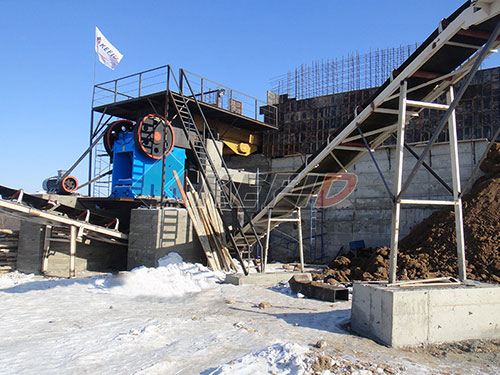
1. Defining Eco-Friendly Stone Crushers
An eco-friendly stone crusher is not merely a machine that meets emission standards; it is a system designed to minimize environmental impact across its entire lifecycle—from manufacturing and operation to maintenance and eventual decommissioning. Key characteristics include:
- Low Dust Emissions: Advanced dust suppression systems, such as water spray nozzles, misting systems, and enclosed crushing chambers, reduce particulate matter (PM2.5 and PM10) release.
- Noise Reduction: Soundproofing materials, vibration dampeners, and low-noise motor designs help keep decibel levels within acceptable limits for residential and ecologically sensitive areas.
- Energy Efficiency: High-efficiency motors, variable frequency drives (VFDs), and optimized crushing chamber geometries reduce power consumption per ton of material processed.
- Water Conservation: Closed-loop water systems for dust control and washing reduce freshwater usage.
- Recyclability and Material Efficiency: Machines designed to handle recycled concrete, asphalt, and demolition waste, thereby reducing the need for virgin quarrying.
- Compliance with Global Standards: Adherence to ISO 14001 (environmental management), CE marking, and local environmental protection laws.
2. The Role of Eco-Friendly Stone Crusher Dealers
Dealers serve as the critical link between manufacturers and end-users—quarry operators, construction companies, recycling facilities, and mining contractors. However, eco-friendly dealers go beyond simple sales. Their responsibilities include:
- Product Sourcing and Curation: They select machines from manufacturers that invest in R&D for green technologies. This includes brands like Metso Outotec, Sandvik, Terex, and emerging Chinese and Indian manufacturers that offer low-emission models.
- Technical Consultation: They assess site-specific conditions—such as proximity to residential areas, water availability, and local regulations—to recommend the most suitable eco-friendly configuration.
- Installation and Commissioning: Proper setup is crucial for achieving optimal environmental performance. Dealers ensure that dust collectors, noise barriers, and energy-saving features are correctly integrated.
- Training and Support: Operators are trained in best practices for minimizing waste, reducing idle time, and maintaining emission control systems.
- After-Sales Service and Retrofitting: Many dealers offer retrofitting services to upgrade older machines with eco-friendly components, such as replacing diesel engines with electric drives or adding scrubbers.
- Compliance Assistance: They help clients navigate complex environmental permits and ensure that machinery meets local noise and air quality standards.
3. Technological Innovations Driving Eco-Friendly Crushing
The evolution of stone crusher technology has been rapid. Eco-friendly dealers are at the forefront of introducing innovations such as:
- Electric and Hybrid Drives: Fully electric crushers eliminate diesel emissions and reduce noise. Hybrid systems combine electric motors with small diesel generators for remote sites.
- Intelligent Control Systems: IoT-enabled crushers monitor energy consumption, wear rates, and dust levels in real time, allowing operators to adjust parameters for minimal environmental impact.
- Mobile Eco-Crushers: Track-mounted mobile crushers with integrated dust suppression and low-noise features are increasingly popular for urban demolition and recycling projects.
- Vertical Shaft Impactors (VSI) with Closed Rotors: These produce high-quality cubical aggregates with less dust and lower energy consumption compared to traditional jaw or cone crushers.
- Waste-to-Value Systems: Some dealers now offer complete lines that include crushers, screens, and washing systems designed specifically for construction and demolition waste (C&D waste) recycling.
4. Market Landscape and Key Regions
The demand for eco-friendly stone crushers is growing globally, but certain regions are leading the transition:
- Europe: Stringent EU directives on noise and dust (e.g., EU Directive 2000/14/EC on noise emissions) have made eco-friendly crushers the norm. Dealers in Germany, the UK, and Scandinavia emphasize electric and hybrid models.
- North America: The U.S. and Canada have seen a surge in demand for crushers that meet EPA Tier 4 Final emission standards. Dealers in California and the Northeast are particularly focused on low-dust, low-noise solutions.
- Asia-Pacific: China and India are the largest markets for stone crushers. However, environmental crackdowns have forced many dealers to shift from cheap, polluting models to certified eco-friendly alternatives. Japan and South Korea are leaders in advanced dust and noise control.
- Middle East and Africa: While still price-sensitive, there is growing awareness of the need for water-efficient crushers in arid regions. Dealers are introducing dry dust collection systems and solar-powered auxiliary equipment.
5. Criteria for Selecting an Eco-Friendly Stone Crusher Dealer
Choosing the right dealer is as important as choosing the right machine. Objective evaluation should consider:
- Certifications and Partnerships: Does the dealer have official partnerships with reputable manufacturers? Are they certified for environmental management (e.g., ISO 14001)?
- Product Range: A good dealer offers multiple brands and configurations, not just a single line. This allows for unbiased recommendations.
- Track Record in Eco-Friendly Projects: Request case studies or references from projects where the dealer’s machines have demonstrably reduced emissions or energy use.
- Local Service Capability: Eco-friendly systems require specialized maintenance (e.g., cleaning dust filters, calibrating VFDs). Ensure the dealer has trained technicians and spare parts inventory nearby.
- Transparency in Environmental Data: Reputable dealers provide clear specifications on noise levels (dB), dust emission rates (mg/Nm³), and energy consumption (kWh/ton).
- Financing and Incentives: Some dealers offer green financing options or help clients apply for government subsidies for purchasing low-emission equipment.
6. Challenges and Future Outlook
Despite the clear benefits, the adoption of eco-friendly stone crushers faces hurdles:
- Higher Initial Cost: Green technologies often carry a premium of 15–30% over conventional models. However, total cost of ownership (TCO) analysis usually shows payback within 2–4 years through energy savings and reduced fines.
- Lack of Awareness: In developing markets, many buyers still prioritize price over environmental performance. Dealers must invest in education and demonstration.
- Infrastructure Limitations: Electric crushers require reliable grid power, which is not always available in remote quarries. Hybrid and solar-assisted solutions are emerging to address this.
- Regulatory Fragmentation: Varying standards across countries make it challenging for dealers to maintain a uniform inventory.
Looking ahead, the role of eco-friendly stone crusher dealers will expand. As carbon taxes and stricter emission norms become global, dealers will increasingly act as sustainability consultants. The integration of artificial intelligence for predictive maintenance, blockchain for tracking recycled material provenance, and zero-waste crushing circuits will become standard offerings.
7. Conclusion
Eco-friendly stone crusher machine dealers are not merely vendors; they are enablers of a more sustainable construction and mining ecosystem. By curating advanced, low-impact machinery, providing expert guidance, and ensuring proper operation and maintenance, they help reduce the environmental burden of aggregate production. For buyers, the decision to work with a responsible dealer is an investment in regulatory compliance, operational efficiency, and long-term corporate reputation. As the world moves toward net-zero targets, the partnership between environmentally conscious operators and forward-thinking dealers will be indispensable.
Keywords: eco-friendly stone crusher, sustainable crushing equipment, green mining machinery, low-emission crusher dealers, dust suppression crushers, energy-efficient stone crushers, recycled aggregate crushers, environmental compliance crushers.
