
In the global aggregates and mining industry, the demand for mid-to-large-scale crushing solutions is perennial. Among these, a custom-designed 250-300 tons per hour (TPH) stone crushing plant represents a significant capital investment and a critical production asset. Unlike off-the-shelf models, a “custom” plant is engineered to meet specific raw material characteristics, final product specifications, geographical constraints, and long-term operational goals. Consequently, discussing its “price” requires moving beyond a simple figure to a nuanced understanding of cost drivers, component breakdowns, and the value proposition of customization. This article provides a detailed, professional examination of the factors influencing the price of such a plant.
A stone crushing plant is not a single machine but an integrated system. A 250-300 TPH capacity indicates a medium-to-large setup capable of producing enough aggregate for major infrastructure projects, large quarry operations, or high-volume asphalt/concrete plants. The term “custom” implies the system is configured from selected components to optimize for:
The total price is an amalgamation of equipment costs, auxiliary systems, and soft costs.
1. Core Crushing and Screening Equipment (40-55% of Total Cost):
This is the heart of the investment. Selection depends on the crushing stages (primary, secondary, tertiary) and rock characteristics.
2. Auxiliary & Conveying Systems (15-25% of Total Cost):
A plant is only as good as its material flow.
3. Power Generation & Electrical Controls (10-15% of Total Cost):
The brain and nervous system of the plant
4. Structural Steel Foundations & Civil Works (10-20% of Total Cost):
Often underestimated this includes:
5 Dust Suppression & Environmental Compliance Systems (5-10% of Total Cost):
Mandatory in most jurisdictions
Given the above components here’s why one supplier might quote $3 million while another quotes $5 million for a “250-300 TPH plant”
2 Level Of Automation Technology Integration:
A basic manually controlled plant costs less than one with:
Remote monitoring predictive maintenance sensors automated product switching wear part tracking
3 Mobility Design:
Stationary plants require more civil work but are robust Custom semi-portable plants on modular chassis reduce site work but increase fabrication complexity
4 Regional Factors Logistics:
Costs vary dramatically between North America Europe Southeast Asia Africa Shipping large components tariffs local labor rates import duties all affect final price
5 Scope Of Supply EPC Contract:
Does the price include:
Engineering procurement commissioning EPC?
Spare parts package?
Training?
Or is it merely FOB Factory equipment supply?
While standard designs are cheaper customization optimizes long-term profitability:
Maximized Yield Product Quality: Tailored crushing stages ensure optimal production of high-value products minimizing waste flaky material
Enhanced Reliability Downtime Reduction: Equipment sized correctly for duty reduces stress failures Components matched to material abrasion extends wear life
Operational Efficiency Energy Savings: Properly selected crushers screens conveyors run at optimal efficiency reducing power consumption per ton produced—a major operational cost
Future Proofing Scalability: Designed with future expansion in mind e.g., adding washing system tertiary stage
Considering all variables a turnkey custom-designed 250–300 TPH stone crushing plant typically represents a total project investment ranging from: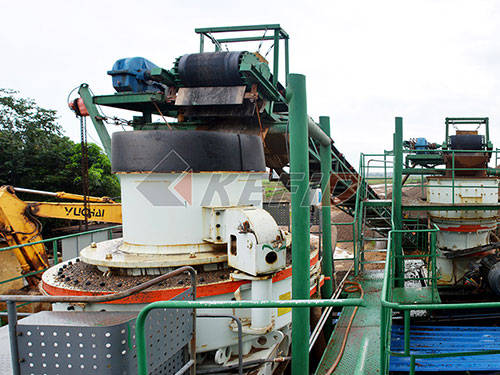
$2.5 million USD on the very low end perhaps utilizing some standardized modules competitive component sourcing favorable regional costs simpler automation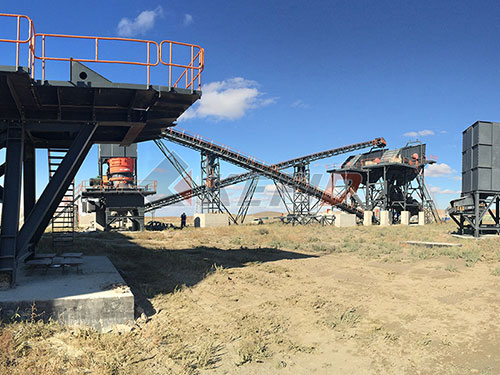
$4 million USD as a realistic average figure representing robust engineering quality components comprehensive systems good level automation environmental controls
$6 million USD+ at premium tier featuring top-tier equipment advanced digitalization extensive dust control complex multi-product requirements challenging site logistics remote location premiums full EPC services training spare parts packages warranty extensions etc.
Therefore when requesting or evaluating quotes it is imperative to define specifications comprehensively understand what’s included within each line item prioritize lifecycle cost over mere initial capital outlay Ultimately investing in detailed engineering upfront ensures that your custom 250–300 TPH stone crushing plant delivers not just stones but sustained profitability operational resilience competitive advantage—making its price not just an expense but strategic capital deployed towards long-term growth stability
If you have any questions about our products, please feel free to contact us. We take all inquiries and suggestions very seriously.