
Crushing and Screening Equipment Processing Plant Prices: A Comprehensive Analysis of Cost Drivers, Market Trends, and Investment Considerations
Introduction
In the aggregates, mining, construction, and recycling industries, the crushing and screening processing plant represents the operational heart of material transformation. Whether producing construction aggregates, processing ore, or recycling demolition waste, the configuration and cost of a crushing and screening plant directly influence project feasibility, operational efficiency, and long-term profitability. Understanding the pricing landscape for these plants is therefore essential for investors, project managers, and procurement specialists. However, plant prices are not governed by a single figure; they are shaped by a complex interplay of equipment specifications, throughput capacity, automation levels, mobility requirements, and market dynamics. This article provides a detailed, objective examination of the factors that determine crushing and screening equipment processing plant prices, the typical price ranges across different plant categories, and the strategic considerations that inform sound investment decisions.
1. Defining the Crushing and Screening Processing Plant
A crushing and screening processing plant is an integrated system designed to reduce the size of raw materials and separate them into graded products. The typical plant consists of several stages: primary crushing, secondary and tertiary crushing, screening, conveying, and often washing or dust suppression. The configuration may be stationary, semi-mobile, or fully mobile, depending on the application. Stationary plants are typically used in long-term quarrying and mining operations, while mobile and portable plants serve construction sites, contract crushing, and recycling projects where relocation is frequent.
Because the plant is a system rather than a single machine, its price reflects the cumulative cost of multiple components, engineering design, installation, and commissioning. This systemic nature explains why two plants with similar nominal capacity can differ significantly in price.
2. Key Factors Influencing Plant Prices
2.1 Capacity and Throughput
Capacity, usually expressed in tonnes per hour (tph), is the single most influential price determinant. A plant rated at 100 tph may cost in the range of USD 150,000 to USD 400,000, while a 500 tph plant can exceed USD 2 million to USD 5 million. As capacity increases, equipment dimensions, motor power, structural steel requirements, and foundation costs rise disproportionately. Moreover, higher-capacity plants often require redundant components and more sophisticated control systems to maintain availability.
2.2 Feed Material Characteristics
The hardness, abrasiveness, moisture content, and particle size distribution of the feed material dictate the selection of crusher types and wear materials. Hard rock such as granite or basalt requires robust jaw or gyratory crushers with high-chrome or manganese wear parts, increasing costs. Soft materials like limestone may permit the use of impact crushers, which can be less expensive to purchase and maintain. Similarly, sticky or wet feed necessitates specialized screening media and washing equipment, adding to the overall price.
2.3 Plant Configuration and Flow Sheet
The number of crushing stages, the inclusion of screening decks, and the arrangement of conveyors all affect price. A simple two-stage plant (primary jaw plus secondary cone with a single screen) is less expensive than a four-stage plant producing multiple precise aggregate fractions. Closed-circuit configurations, which recycle oversize material, improve product quality but require additional conveyors, screens, and control logic, raising costs by 15–30%.
2.4 Mobility and Structural Design
Mobile plants, mounted on tracks or wheels, incorporate chassis, axles, hydraulic systems, and onboard power units, which can increase the price by 40–100% compared with equivalent stationary plants. Modular and semi-mobile designs offer a middle ground, reducing relocation costs while retaining some structural simplicity. Stationary plants, by contrast, require civil works, foundations, and extensive steel structures, which may offset lower equipment prices through higher installation costs.
2.5 Automation and Control Systems
Modern plants increasingly feature programmable logic controllers (PLCs), human-machine interfaces (HMIs), remote monitoring, and automated adjustment of crusher settings. While these features raise the initial price by 5–15%, they improve product consistency, reduce downtime, and lower long-term labor costs. Fully automated plants with predictive maintenance capabilities command a premium but are increasingly favored in large-scale operations.
2.6 Brand, Origin, and After-Sales Support
Equipment from established European, North American, or Japanese manufacturers typically carries a higher price than comparable Chinese or Indian equipment. However, the price differential reflects differences in engineering tolerances, wear life, documentation, and global service networks. After-sales support, spare parts availability, and training programs are integral to the total cost of ownership and should be evaluated alongside the purchase price.
3. Typical Price Ranges by Plant Category
It is important to note that prices vary by region, currency fluctuations, and specific project requirements. The following ranges are indicative and based on global market observations.
These figures typically exclude civil works, electrical infrastructure, permitting, and contingency, which can add 20–40% to the total project cost.
4. Hidden and Lifecycle Costs
Purchase price is only one component of the total cost of ownership. Investors must consider:
A plant with a higher initial price may offer lower lifecycle costs through superior reliability and efficiency, making total cost of ownership analysis essential.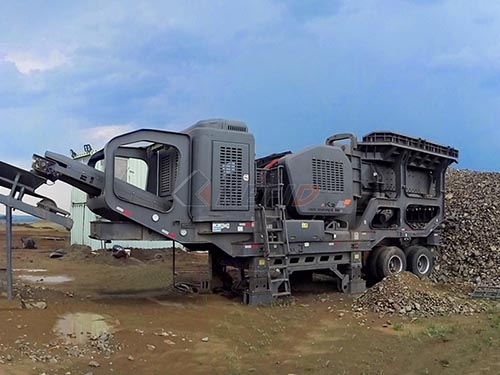
5. Market Trends Affecting Prices
Several trends are shaping crushing and screening plant prices in the current market. First, supply chain disruptions and raw material price volatility have led to price increases and longer lead times, particularly for specialized components such as gearboxes and bearings. Second, the shift toward electrification and hybrid drives is influencing design and cost, with some manufacturers offering electric-powered mobile plants that reduce fuel costs but require higher initial investment. Third, digitalization and Industry 4.0 technologies are becoming standard, adding value but also cost. Fourth, environmental regulations are driving demand for enclosed plants, water recycling systems, and noise reduction packages. Finally, the growing recycling industry is creating demand for compact, highly mobile plants capable of processing construction and demolition waste, often at lower capacities but with specialized features.
6. Strategic Considerations for Buyers
Prospective buyers should adopt a structured approach to evaluating plant prices. This includes:
7. Conclusion
Crushing and screening equipment processing plant prices are determined by a multifaceted set of technical, operational, and market factors. While indicative price ranges provide a starting point, informed investment decisions require a thorough understanding of project-specific requirements and a commitment to evaluating total cost of ownership rather than initial capital outlay alone. As the industry evolves toward greater automation, electrification, and environmental responsibility, plant prices will continue to reflect these advancements. For buyers, the key is to balance immediate budget constraints with long-term performance, reliability, and support—ensuring that the chosen plant delivers not only crushed and screened material but also sustainable economic returns.
By approaching the purchase as a strategic investment and engaging with reputable suppliers who can provide transparent pricing and comprehensive after-sales support, stakeholders can navigate the complexities of plant pricing with confidence and secure a processing solution that meets their needs for years to come.
If you have any questions about our products, please feel free to contact us. We take all inquiries and suggestions very seriously.