Title: Sourcing Crushing and Screening Equipment: A Guide to Competitive Pricing and Manufacturer Selection
Introduction
In the aggregate, mining, construction, and recycling industries, the efficiency of material processing operations hinges on the performance and reliability of crushing and screening equipment. As global infrastructure demands rise and operational budgets face increasing scrutiny, procurement managers and project engineers are tasked with a critical challenge: securing high-quality machinery at a competitive price without compromising on durability or throughput. The market for crushing and screening equipment is characterized by a diverse range of manufacturers, from global conglomerates to specialized regional fabricators. Understanding the dynamics of pricing, the factors that influence cost, and the strategies for identifying a reliable manufacturer are essential for achieving a favorable total cost of ownership (TCO).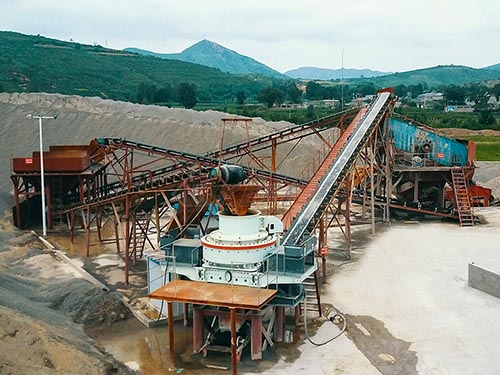
The Landscape of Crushing and Screening Equipment
Crushing and screening equipment encompasses a broad spectrum of machinery designed to reduce large rocks into smaller rocks, gravel, sand, or rock dust, and subsequently separate these materials by size. The primary categories include:
- Crushers: These are the primary reduction units. Jaw crushers are typically used for primary crushing of hard, abrasive materials. Cone crushers and impact crushers (HSI and VSI) are employed for secondary, tertiary, and quaternary reduction, offering varying degrees of reduction ratios and product shape control.
- Screens: Vibrating screens are the workhorses of material separation. They classify material into different grades. The choice between inclined, horizontal, or high-frequency screens depends on the application, moisture content, and desired separation efficiency.
- Feeders and Conveyors: While often considered auxiliary, these components are integral to the system’s overall efficiency, ensuring a continuous and regulated flow of material.
The market is driven by the need for higher productivity, lower operational costs, and stricter environmental regulations. Consequently, manufacturers are investing in advanced technologies such as automation, telematics, and hybrid power systems to differentiate their offerings.
Understanding “Competitive Price” in a Global Market
In the context of industrial machinery, “competitive price” is not merely the lowest sticker price. It is a function of several variables that collectively determine the economic viability of an investment. A manufacturer offering a competitive price must balance material costs, labor, research and development (R&D), and after-sales support.
- Raw Material Costs: The price of steel, specialized alloys, and electronic components directly impacts the final cost. Manufacturers with efficient supply chains and strategic sourcing can offer better pricing.
- Manufacturing Scale: Large-scale production facilities, particularly those in established industrial clusters, benefit from economies of scale. This allows them to offer competitive pricing while maintaining quality.
- Technological Integration: While advanced automation adds to the upfront cost, it can significantly reduce long-term operational expenses through improved fuel efficiency, reduced downtime, and optimized wear part life.
- Logistics and Tariffs: The location of the manufacturer relative to the end-user plays a pivotal role. Shipping costs for heavy machinery can be substantial. Additionally, import duties and trade agreements can either erode or enhance a manufacturer’s price competitiveness in a specific region.
Key Factors Influencing Manufacturer Pricing Strategies
To identify a manufacturer offering a genuinely competitive price, one must look beyond the initial quotation. Several factors differentiate a low-cost provider from a cost-effective partner.
- Quality of Components: A manufacturer that utilizes premium-grade bearings, wear-resistant liners (e.g., manganese steel or ceramic composites), and reliable hydraulic systems may have a higher initial price but offers a lower cost per ton produced. Conversely, a manufacturer cutting corners on components may offer a lower upfront price but will incur higher maintenance costs and downtime.
- Design and Engineering: Efficient crusher chamber design and screen motion dynamics directly affect energy consumption and throughput. A well-engineered machine from a reputable manufacturer often justifies a premium price through superior performance and reduced power draw.
- After-Sales Support and Parts Availability: A competitive price must include the cost of service. Manufacturers with a robust global distribution network for spare parts and trained service technicians provide invaluable peace of mind. A machine that is inexpensive to buy but requires weeks to source a critical spare part is not competitively priced in the long run.
- Customization vs. Standardization: Manufacturers offering modular, standardized designs can often provide competitive pricing due to reduced engineering and production time. However, for unique applications, the ability to customize a plant may command a higher price, which is justified by the optimized solution.
Strategies for Sourcing Competitively Priced Equipment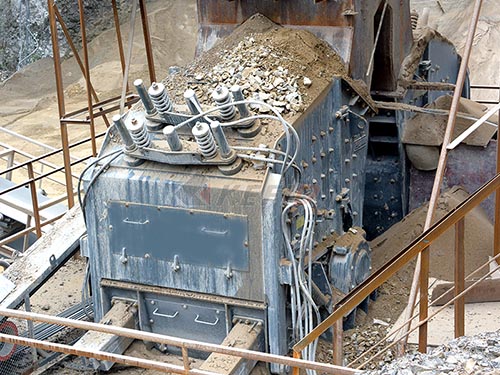
Procurement teams can employ several strategies to ensure they are securing the best value.
- Total Cost of Ownership (TCO) Analysis: Instead of comparing purchase prices, buyers should calculate the TCO over a 5-10 year period. This includes fuel/energy costs, maintenance and wear parts, labor, and residual value. A manufacturer with a slightly higher initial price but a significantly lower TCO is the more competitive choice.
- Direct Engagement with Manufacturers: Bypassing intermediaries and engaging directly with the manufacturer’s sales and engineering teams can lead to better pricing and a clearer understanding of technical specifications.
- Leveraging Regional Manufacturing Hubs: Countries such as China, India, and Turkey have emerged as significant manufacturing hubs for crushing and screening equipment. Manufacturers in these regions often offer highly competitive pricing due to lower labor and material costs, coupled with increasingly advanced manufacturing capabilities. However, due diligence regarding quality control and after-sales support is paramount.
- Considering Refurbished or Used Equipment: For operations with limited capital budgets, the refurbished equipment market offers a pathway to acquiring high-quality machinery at a fraction of the cost. Reputable manufacturers and dealers often provide certified refurbished units with warranties.
- Negotiating Service Level Agreements (SLAs): When purchasing new equipment, buyers can negotiate comprehensive service packages, including scheduled maintenance and guaranteed parts availability, into the initial contract, often at a reduced rate compared to purchasing these services separately.
The Role of Technology in Cost Competitiveness
Modern manufacturers are leveraging technology to enhance the competitiveness of their pricing. The integration of IoT (Internet of Things) sensors allows for predictive maintenance, reducing unplanned downtime and extending the life of wear parts. Automation features, such as automated setting adjustment (ASA) on cone crushers, optimize performance and reduce operator error. These technological advancements, while adding to the initial cost, contribute to a lower overall operating cost, making the equipment more competitive in the long run.
Conclusion
The pursuit of a “Crushing And Screening Equipment Manufacturer Competitive Price” is a nuanced endeavor. It requires a shift from a transactional, price-focused mindset to a strategic, value-focused approach. The most competitive manufacturers are those that offer a balance of robust engineering, reliable after-sales support, and efficient total cost of ownership. By conducting thorough due diligence, analyzing TCO, and engaging directly with reputable manufacturers, businesses can secure equipment that not only meets their production targets but also delivers a strong return on investment in the demanding environments of aggregate processing and mining. In an industry where downtime is measured in lost revenue, the most competitive price is ultimately the one that guarantees uninterrupted, efficient production.
