
The global construction, mining, and aggregate industries form the backbone of modern infrastructure development. At the heart of these sectors lies a critical process: the reduction and sizing of raw materials like rock, ore, and demolition waste. This is where crushing and screening equipment becomes indispensable. For importers operating in this specialized B2B landscape, navigating the complexities of sourcing, wholesale pricing, and market trends is crucial for building a profitable and sustainable business. This article provides a detailed, professional analysis of the market for crushing and screening equipment from the perspective of importers, with a focused examination of the factors influencing wholesale prices.
Crushing and screening equipment is not a monolithic product but a sophisticated ecosystem of machinery designed for specific stages of material processing.
1. Crushing Equipment: This category breaks down large rocks into smaller fragments.
2. Screening Equipment: This category separates crushed material into various sized fractions.
For importers, specialization is key. Some may focus on heavy-duty quarrying equipment (cone crushers, vibrating screens), while others might target the booming recycling sector with mobile impact crushers and trommels.
Importers act as vital intermediaries between international manufacturers and local markets. Their value proposition includes:
Primary sourcing regions are defined by their engineering heritage and cost structures:
Europe (Premium Tier): Germany, Finland, Sweden, Italy, and the UK are home to iconic brands like Sandvik (Sweden), Metso Outotec (Finland), Kleemann (Germany), and Terex Powerscreen (UK). Equipment from this region commands premium wholesale prices due to cutting-edge technology (like automation and connectivity), superior material quality, high energy efficiency, strong R&D investment, and exceptional durability. Importers here target high-end mining contracts and demanding quarry operators.
North America (Established Tier): The U.S. hosts major players like Eagle Crusher and McLanahan. Equipment is robustly built for large-scale North American operations but is also widely exported.
Asia (Value & Emerging Tier):
Turkey (The Strategic Bridge): Turkish manufacturers have emerged as powerful players by offering a compelling blend of acceptable European-quality engineering at prices significantly lower than Western Europe. They are particularly strong in mid-range stationary plants mobile crushers.
The wholesale price quoted to an importer is not arbitrary; it is a function of multiple interlinked factors: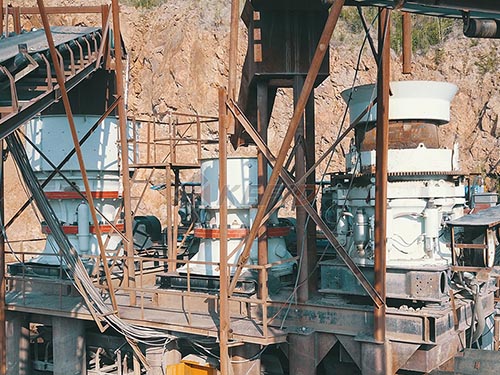
1. Core Machine Specifications:
2. Brand Equity & Country of Origin: As noted,a European-origin machine carries a brand premium reflecting perceived reliability longevity,and resale value.A comparable-spec Chinese machine may be priced 30-50% lower at wholesale level.This “cost of ownership” calculation—factoring in potential downtime spare parts costs—is central to an importer’s pricing strategy to their end-users.
3. Raw Material Costs: Global steel prices directly affect manufacturing costs.Fluctuations in the cost of castings(for wear parts) special alloys can cause wholesale price adjustments from manufacturers.
4. Order Configuration Volume: A single machine order will have a higher unit cost than a container load or a year-long framework agreement.Bulk purchasing power is an importer’s key leverage.Similarly,the choice between purchasing only the base machine versus a “complete package” with conveyors,screens,and electrical controls impacts the total order value.
5. Currency Exchange Rates: For importers purchasing in USD,EUR or CNY,favorable exchange rates against their local currency can dramatically improve margin potential or competitiveness.Rate volatility represents a significant financial risk that must be managed through hedging strategies.
6. Logistics Incoterms: The chosen trade term fundamentally affects landed cost.Whether it’s EXW(Ex-Works),FOB(Free On Board) CIF(Cost Insurance Freight) determines who bears freight insurance duties costs.The importer’s ability to negotiate efficient logistics directly impacts final cost price.
1.Define Your Niche: Are you serving small local quarries urban recycling contractors or large mining houses? Your target market dictates whether you source robust premium equipment reliable mid-tier or competitive entry-level machines.
2.Prioritize Total Cost Ownership(TCO): Educate your customers that the cheapest capital expenditure may lead to highest operational expenditure.High-quality wear parts longer service intervals fuel efficiency contribute far more to profitability over a 5-10 year period.
3.Build Strong Manufacturer Relationships: Go beyond transactional purchases.Establishing yourself as key partner can yield benefits like better payment terms exclusive regional rights prioritized production slots access technical training which all enhance your competitive edge .
4.Invest in After-Sales Ecosystem: Your real business begins after sale.A reliable readily available spare parts supply trained service technicians ability perform repairs are what build customer loyalty justify price premiums protect your brand reputation .
5.Stay Abreast Market Trends: The industry evolving towards:
Sustainability: Electric hybrid drives noise dust suppression systems .
Automation Digitalization: Remote monitoring automated process optimization reduce human error maximize uptime .
Circular Economy: Equipment designed specifically C&D waste processing urban mining .
Importers aligned these trends future-proof their portfolio .
The role crushing screening equipment importer demanding one requiring deep technical knowledge sharp commercial acumen strategic long-term vision .Wholesale price while critical starting point merely one variable complex equation .Success hinges ability curate right product portfolio balance initial cost performance provide unwavering after-sales support navigate international logistics finance adeptly .By understanding intrinsic drivers behind pricing—from metallurgy brand power logistics—and focusing delivering lower total cost ownership end-customer importers can build resilient profitable businesses essential link global supply chain that literally builds world around us .In an era defined infrastructure development resource efficiency right partnership between innovative manufacturer savvy importer will continue drive progress industry .
If you have any questions about our products, please feel free to contact us. We take all inquiries and suggestions very seriously.