
Commercial Stone Crusher Plant: A Comprehensive Overview of Processing Plant Design, Operation, and Market Dynamics
Introduction
A commercial stone crusher plant, often referred to as a stone processing plant or aggregate production facility, is a critical industrial installation designed to convert raw, naturally occurring rock into specific, marketable sizes of crushed stone. These plants serve as the backbone of the construction, infrastructure, and mining industries, supplying essential materials for concrete, asphalt, road base, railway ballast, and various building projects. Unlike small-scale or mobile units, a commercial stone crusher plant is a permanent or semi-permanent, high-capacity operation that integrates multiple stages of crushing, screening, conveying, and stockpiling. This article provides a detailed, professional, and objective examination of the design, operational principles, key components, technological advancements, environmental considerations, and economic factors that define a modern commercial stone processing plant.
1. Core Purpose and Market Demand
The primary function of a commercial stone crusher plant is to reduce large boulders, quarry-run rock, or river gravel into a range of aggregate sizes, typically from 0–5 mm (fine sand) to 40–80 mm (coarse gravel). The demand for these aggregates is directly tied to global economic activity, particularly in urbanization, transportation infrastructure, and energy projects. According to industry reports, the global crushed stone market is valued in the hundreds of billions of dollars, with annual production exceeding 50 billion metric tons. Commercial plants are designed to meet this demand with capacities ranging from 100 tons per hour (tph) to over 2,000 tph, serving regional markets within a 50–150 km radius to minimize transportation costs.
2. Plant Layout and Process Flow
A well-designed commercial stone processing plant follows a systematic, multi-stage process. The layout is optimized for material flow, maintenance access, and safety. The typical process flow includes the following stages:
2.1 Primary Crushing
Raw material, often blasted or excavated from a quarry, is fed into a primary crusher. The most common primary crushers are jaw crushers and gyratory crushers. Jaw crushers are preferred for their simplicity and ability to handle hard, abrasive rocks (e.g., granite, basalt). Gyratory crushers offer higher capacity and are used for very large feed sizes. The primary crusher reduces rock to a size of 150–300 mm.
2.2 Secondary and Tertiary Crushing
The crushed material is then conveyed to secondary and tertiary crushers. Cone crushers are the standard choice for these stages due to their ability to produce a well-graded, cubical product. Horizontal shaft impactors (HSI) or vertical shaft impactors (VSI) are also used, especially when a higher percentage of fine material or improved particle shape is required. Secondary crushing typically reduces material to 20–60 mm, while tertiary crushing further refines it to 5–20 mm.
2.3 Screening and Classification
Vibrating screens are strategically placed between crushing stages and at the end of the process. They separate material into different size fractions (e.g., 0–5 mm, 5–10 mm, 10–20 mm, 20–40 mm). Multi-deck screens allow simultaneous production of multiple products. Oversized material is recirculated back to the crushers, while undersized material is removed as waste or used for fill.
2.4 Washing and Dewatering (Optional)
For applications requiring clean aggregate (e.g., concrete sand), a washing plant is integrated. This includes log washers, screw classifiers, and hydrocyclones to remove clay, silt, and organic matter. Dewatering screens or thickeners reduce moisture content, ensuring product quality and reducing transportation weight.
2.5 Conveying and Stockpiling
Belt conveyors transport material between stages and to stockpiles. Radial stackers or telescopic conveyors are used to create large, conical stockpiles that minimize segregation and allow for efficient loading onto trucks or railcars.
3. Key Equipment and Technology
Modern commercial stone crusher plants rely on advanced equipment to achieve high efficiency, reliability, and product quality. Key components include:
4. Operational Considerations
Operating a commercial stone processing plant requires skilled personnel and rigorous maintenance. Key operational factors include: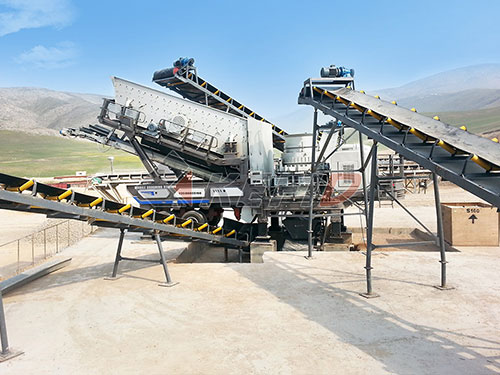
5. Environmental and Regulatory Compliance
Stone crusher plants face increasing environmental scrutiny. Key issues include:
6. Economic and Business Aspects
The financial viability of a commercial stone crusher plant depends on several factors:
7. Technological Trends and Future Outlook
The stone processing industry is evolving rapidly. Key trends include:
8. Conclusion
A commercial stone crusher plant is a sophisticated, capital-intensive industrial facility that plays a vital role in modern society. From the initial blasting of rock to the final stockpiling of graded aggregates, each stage of the process requires careful engineering, skilled operation, and strict adherence to safety and environmental standards. As global infrastructure demands continue to grow, the industry will increasingly rely on automation, sustainability, and innovation to remain competitive. For investors, operators, and engineers, understanding the technical, economic, and regulatory complexities of these plants is essential for success in the dynamic world of aggregate production. The future of stone processing lies not only in crushing rock but in doing so efficiently, responsibly, and profitably.
If you have any questions about our products, please feel free to contact us. We take all inquiries and suggestions very seriously.