
Bespoke Quarry Ballast Crushing Equipment Sourcing Agent: A Comprehensive Guide to Specialized Procurement in the Rail and Construction Industries
Introduction
In the global infrastructure and railway sectors, ballast—the coarse, angular aggregate that forms the foundation of railway tracks—is a critical material. Its primary function is to distribute the load from sleepers, provide drainage, and maintain track alignment. The production of high-quality ballast requires specialized crushing and screening equipment capable of delivering precise particle size distribution, shape, and durability. However, sourcing such equipment is not a simple off-the-shelf purchase. It demands a deep understanding of quarry operations, material properties, and engineering specifications. This is where the role of a Bespoke Quarry Ballast Crushing Equipment Sourcing Agent becomes indispensable.
This article provides a professional, objective, and detailed examination of the responsibilities, methodologies, and value proposition of a sourcing agent specializing in ballast crushing equipment. It explores the technical nuances of ballast production, the challenges of procurement, and the strategic advantages of engaging a dedicated agent.
1. Understanding Ballast and Its Production Requirements
Before delving into the sourcing process, it is essential to understand what makes ballast unique. Unlike general construction aggregates, ballast must meet stringent standards such as those defined by AREMA (American Railway Engineering and Maintenance-of-Way Association), BS EN 13450 (European standard), or national railway authorities. Key characteristics include:
Producing such material requires a multi-stage crushing circuit: primary jaw crushers, secondary cone crushers, and tertiary impact or cone crushers, often combined with vibrating screens and washing systems. The equipment must be robust, adjustable, and capable of handling abrasive rock types like granite, basalt, or quartzite.
2. The Role of a Bespoke Sourcing Agent
A Bespoke Quarry Ballast Crushing Equipment Sourcing Agent is a specialized procurement professional or firm that acts as an intermediary between quarry operators and equipment manufacturers. Unlike generic procurement agents, they possess deep technical knowledge of crushing processes, material handling, and rail industry standards. Their role encompasses:
3. The Sourcing Process: A Step-by-Step Methodology
A professional sourcing agent follows a structured, data-driven approach to ensure the best outcome for the quarry operator.
Step 1: Technical Audit and Feasibility Study
The agent begins by conducting a comprehensive audit of the quarry site. This includes:
Step 2: Equipment Specification and Design
Based on the audit, the agent drafts a detailed equipment specification. For ballast, this often includes:
The agent ensures that all equipment is designed for 24/7 operation, with easy access for maintenance and wear part replacement.
Step 3: Global Supplier Identification and RFQ
The agent leverages a network of contacts to issue Requests for Quotation (RFQs) to a curated list of manufacturers. Criteria for selection include:
Step 4: Technical and Commercial Evaluation
Each proposal is evaluated on multiple dimensions:
The agent uses weighted scoring models to rank proposals objectively.
Step 5: Negotiation and Contract Management
The agent negotiates terms that protect the quarry operator, including:
Step 6: Logistics and Installation Oversight
Once the contract is signed, the agent coordinates shipping, customs clearance, and on-site installation. This includes:
Step 7: Post-Installation Support
The agent remains involved to monitor equipment performance, facilitate spare parts procurement, and provide ongoing technical support. This long-term relationship ensures the quarry maintains consistent ballast quality.
4. Challenges in Sourcing Ballast Crushing Equipment
Even with a skilled agent, several challenges can arise: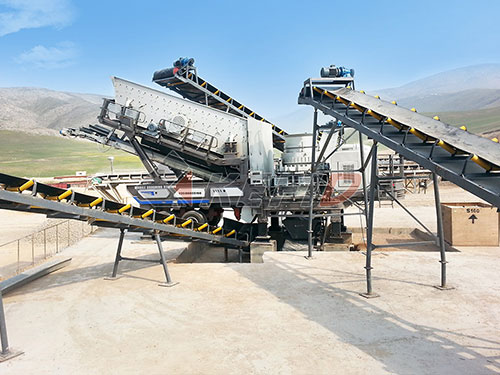
A sourcing agent mitigates these risks through contingency planning, alternative supplier lists, and proactive communication.
5. The Value Proposition: Why Engage a Bespoke Agent?
Quarry operators may question the need for a specialized agent, especially if they have in-house procurement teams. However, the benefits are substantial:
6. Case Study: A Successful Sourcing Project
To illustrate the agent’s role, consider a hypothetical project: a quarry in Southeast Asia needs to upgrade its ballast production line to meet new national railway standards. The existing equipment produces excessive fines and irregular particle shapes.
The sourcing agent conducts a site audit, identifies the need for a new cone crusher with a hydraulic adjustment system and a VSI crusher for shaping. After issuing RFQs to five manufacturers, the agent selects a European supplier known for robust cone crushers and a Chinese manufacturer for the VSI unit. The agent negotiates a combined package with a 15% discount, arranges shipping via a dedicated cargo vessel, and oversees installation within a three-month window. Post-installation, the quarry achieves a 95% ballast yield with a flakiness index below 10%, exceeding the new standards.
7. Future Trends in Ballast Crushing Equipment Sourcing
The industry is evolving, and sourcing agents must stay ahead of trends:
Conclusion
A Bespoke Quarry Ballast Crushing Equipment Sourcing Agent is far more than a middleman. They are a technical consultant, a risk manager, and a strategic partner who ensures that quarry operators acquire the right equipment to produce high-quality ballast efficiently and cost-effectively. In an industry where precision and reliability are paramount, the agent’s expertise can mean the difference between a profitable operation and a costly failure.
For quarry operators seeking to expand or upgrade their ballast production, engaging a dedicated sourcing agent is not an expense—it is an investment in quality, efficiency, and long-term success. As global infrastructure demands grow, the role of these specialized agents will only become more critical in bridging the gap between quarry needs and manufacturing capabilities.
If you have any questions about our products, please feel free to contact us. We take all inquiries and suggestions very seriously.