Title: Sourcing Success: A Comprehensive Guide for 250–300 TPH Stone Crushing Plant Importers
Introduction
The global construction and mining sectors are experiencing a sustained demand for aggregates, driven by urbanization, infrastructure development, and the need for raw materials in concrete and asphalt production. At the heart of meeting this demand lies the stone crushing plant, a complex system of machinery designed to reduce large rocks into smaller rocks, gravel, or rock dust. For importers and project managers, a 250 to 300 tonnes per hour (TPH) crushing plant represents a significant capital investment and a critical operational asset. This article provides a detailed, objective overview for importers of 250–300 TPH stone crushing plants, covering key considerations, technical specifications, sourcing strategies, and the challenges inherent in this specialized segment of heavy equipment procurement.
Understanding the 250–300 TPH Capacity Range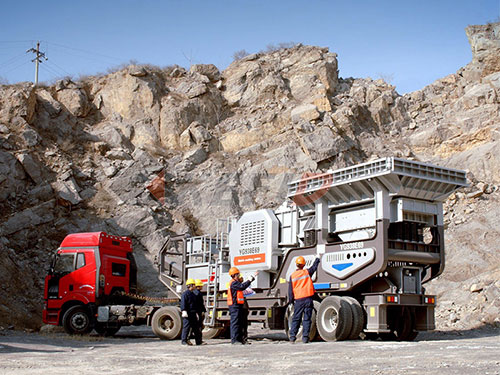
The 250–300 TPH designation refers to the plant’s designed throughput capacity—the volume of raw material it can process per hour under optimal conditions. This capacity range is considered mid-to-large scale. It is ideal for medium-sized quarrying operations, large-scale construction projects (such as highway or dam construction), and commercial aggregate production facilities. Unlike smaller, mobile plants (50–150 TPH) or massive stationary installations (500+ TPH), the 250–300 TPH range offers a balance: it is productive enough to supply substantial material demands but remains relatively manageable in terms of site layout, power requirements, and initial capital outlay.
Core Components of a 250–300 TPH Plant
A typical plant in this capacity range is not a single machine but a coordinated system. Importers must understand the individual components to evaluate quotations accurately and ensure compatibility. The primary stages include:
- Feeding: A vibrating feeder (e.g., GZD series) receives raw material from dump trucks or loaders and feeds it uniformly into the primary crusher. For 250–300 TPH, a feeder with a capacity of 400–500 TPH is often recommended to handle surges.
- Primary Crushing: A jaw crusher (e.g., PE-750×1060 or PE-900×1200) is the standard choice for primary reduction. It handles large feed sizes (up to 600–800 mm) and reduces material to roughly 150–300 mm. Alternatively, a large impact crusher (e.g., PF-1315) may be used for softer materials like limestone.
- Secondary Crushing: The output from the primary crusher is conveyed to a secondary crusher, typically a cone crusher (e.g., CS-160 or HP-200) for hard rock, or an impact crusher (e.g., PF-1214) for medium-hard materials. This stage further reduces material to 20–60 mm.
- Tertiary Crushing (Optional): For finer aggregates (e.g., sand or 0–10 mm), a tertiary crusher (e.g., VSI-7611 or short-head cone crusher) may be included. This is common when producing manufactured sand.
- Screening: Vibrating screens (e.g., 3YK2160 or 4YK2160) classify the crushed material into different sizes (e.g., 0–5 mm, 5–10 mm, 10–20 mm, 20–40 mm). The number of decks and screen area directly impacts product gradation accuracy.
- Conveying: A network of belt conveyors (e.g., B1000 or B1200) transfers material between stages. Importers must ensure conveyor capacities match the plant’s peak throughput.
- Control System: A centralized electrical control panel with PLC (Programmable Logic Controller) is essential for monitoring and automating the process. This is often a point of differentiation among suppliers.
Key Technical Specifications for Importers
When sourcing a 250–300 TPH plant, importers should scrutinize the following specifications:
- Feed Size: Maximum input size the primary crusher can accept. This must match the size of raw material from the quarry (e.g., 0–600 mm).
- Output Size: The required final product gradation. This dictates the type of secondary and tertiary crushers and the screen configuration.
- Motor Power: Total installed power (typically 400–600 kW for 250–300 TPH). This affects energy costs and the required electrical infrastructure.
- Plant Layout: Stationary, semi-mobile, or mobile. Stationary plants are more common for this capacity due to their lower cost per tonne, but mobile plants (on tracks or wheels) offer flexibility for multiple quarry sites.
- Material Hardness: The plant’s configuration must match the rock type. Granite and basalt require cone crushers, while limestone can use impact crushers.
- Automation Level: From manual control to fully automated PLC systems with remote monitoring. Higher automation reduces labor costs but increases initial price.
Sourcing and Importing: A Strategic Approach
For importers, the process of acquiring a 250–300 TPH plant involves several critical steps:
- Supplier Identification: Major manufacturing hubs include China (e.g., Henan, Shandong), Turkey, India, and Europe. Chinese suppliers dominate the mid-range market due to competitive pricing and extensive export experience. Importers should verify supplier credentials via third-party audits (e.g., SGS, Bureau Veritas) and check for ISO 9001 certification.
- Technical Evaluation: Request detailed quotations with flow charts, equipment lists, and power consumption data. Compare not just price but also wear parts lifespan (e.g., jaw plates, cone liners) and after-sales support.
- Compliance and Standards: Ensure the plant meets the importer’s local electrical standards (e.g., 380V/50Hz vs. 440V/60Hz), safety regulations (e.g., CE marking for Europe), and environmental norms (e.g., dust suppression systems).
- Logistics and Shipping: A 250–300 TPH plant can occupy 20–40 shipping containers or require break-bulk shipping. Importers must account for freight costs, insurance, and customs duties. Incoterms (e.g., FOB, CIF) should be clearly negotiated.
- Installation and Commissioning: Many suppliers offer turnkey installation. Importers should clarify whether supervision, training, and spare parts are included. A lack of proper installation can lead to reduced capacity and increased downtime.
- After-Sales Support: The availability of spare parts (e.g., bearings, belts, screens) and technical support is crucial. Importers should negotiate a service level agreement (SLA) and consider stocking critical spares locally.
Challenges Faced by Importers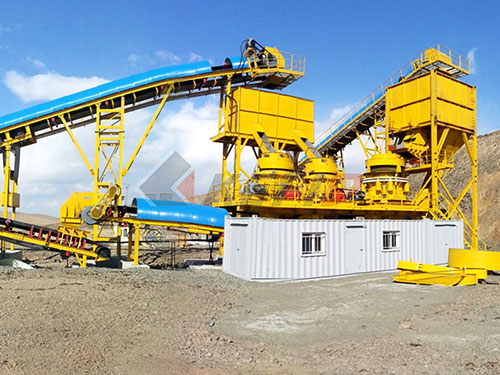
- Quality Variability: Not all suppliers adhere to the same manufacturing standards. Poorly cast crusher frames or unbalanced flywheels can cause premature failure.
- Lead Times: From order to delivery, lead times can range from 60 to 120 days, depending on customization and shipping routes. Delays can disrupt project timelines.
- Currency Fluctuations: For international transactions, exchange rate shifts can impact the final cost. Hedging strategies or fixed-price contracts may be necessary.
- Regulatory Hurdles: Importing heavy machinery often involves complex customs procedures, tariffs, and local content requirements. Hiring a customs broker is advisable.
- Operational Costs: Energy consumption, labor, and maintenance can vary significantly based on plant design. Importers should conduct a total cost of ownership (TCO) analysis, not just a purchase price comparison.
Market Trends and Future Outlook
The market for 250–300 TPH stone crushing plants is evolving. Key trends include:
- Automation and IoT: Suppliers are integrating sensors and cloud-based monitoring to predict maintenance and optimize throughput. This appeals to importers seeking to reduce downtime.
- Energy Efficiency: With rising energy costs, plants with high-efficiency motors and optimized crushing chambers are in demand.
- Modular Design: Modular plants that can be easily disassembled and relocated are gaining traction, especially for contractors working on multiple sites.
- Environmental Compliance: Dust suppression, noise reduction, and water recycling systems are becoming standard requirements in many jurisdictions.
Conclusion
For importers, acquiring a 250–300 TPH stone crushing plant is a complex but potentially highly profitable venture. Success hinges on a thorough understanding of technical specifications, careful supplier selection, and a strategic approach to logistics and after-sales support. By focusing on total cost of ownership, compliance, and operational reliability, importers can secure a plant that delivers consistent productivity for years. As global infrastructure demands continue to rise, the 250–300 TPH range remains a sweet spot for medium-to-large aggregate producers. Diligence in the sourcing process is not just advisable—it is essential for long-term viability.
