
Title: Comprehensive Guide to 250–300 TPH Stone Crushing Plant Exporters: Inspection Protocols, Quality Assurance, and Compliance Standards
Introduction
The global demand for aggregates, road base materials, and construction-grade crushed stone has surged in tandem with large-scale infrastructure projects, urban expansion, and industrial development. In this context, the 250–300 tons per hour (TPH) stone crushing plant represents a critical mid-to-high capacity solution, balancing operational efficiency with capital expenditure. For international buyers, particularly those in the Middle East, Africa, Southeast Asia, and Latin America, sourcing such plants from exporters requires rigorous due diligence. The role of third-party inspection and exporter-side quality assurance cannot be overstated. This article provides a professional, objective, and detailed examination of the inspection processes, technical benchmarks, documentation requirements, and risk mitigation strategies associated with 250–300 TPH stone crushing plant exporters.
1. Technical Overview of the 250–300 TPH Crushing Plant
Before delving into inspection, it is essential to define the technical scope of a 250–300 TPH plant. Typically, this configuration includes:
The plant’s throughput of 250–300 TPH assumes a feed material with a compressive strength of ≤300 MPa, a bulk density of 1.6 t/m³, and a moisture content below 5%. Any deviation from these parameters affects actual output, which is a critical point during inspection.
2. Why Inspection Is Non-Negotiable for Exporters
Exporters of 250–300 TPH plants operate in a highly competitive environment where price undercutting often leads to compromises in material quality, welding integrity, and component sourcing. Inspection serves multiple purposes:
For the exporter, a robust inspection regime reduces warranty claims, protects brand reputation, and facilitates smoother customs clearance in the destination country.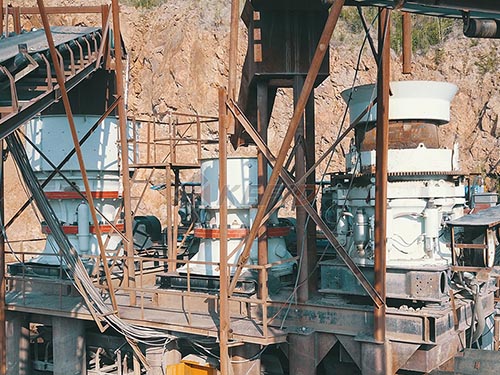
3. Types of Inspection Services Applied to 250–300 TPH Plants
Inspection is not a single event but a staged process. The following are the standard inspection types used by professional third-party agencies (e.g., SGS, Bureau Veritas, TÜV, Intertek) and independent consultants:
3.1 Pre-Production Inspection (PPI)
This occurs before fabrication begins. The inspector reviews the exporter’s manufacturing schedule, verifies the availability of raw materials (e.g., Q345B steel plates, high-manganese steel for jaw plates), and checks the calibration of welding equipment. For a 250–300 TPH plant, the inspector also confirms that the crusher frames are cast or welded according to the approved drawings, not substituted with lower-grade materials.
3.2 During Production Inspection (DPI)
Conducted at 30–60% completion, DPI focuses on:
3.3 Pre-Shipment Inspection (PSI)
This is the most comprehensive stage. It includes: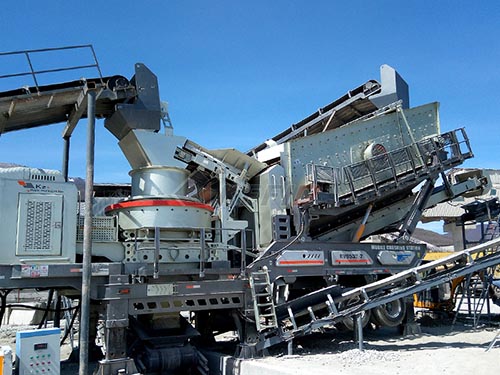
3.4 Container Loading Supervision (CLS)
For 250–300 TPH plants, which are often shipped in 2–4 flat-rack or open-top containers plus several 40’ HQ containers, CLS ensures that heavy components (e.g., crusher mainframe) are properly lashed, blocked, and protected with moisture barrier films. The inspector also verifies that the center of gravity is within safe limits to avoid container tipping.
4. Critical Inspection Points Specific to 250–300 TPH Plants
Not all components carry equal risk. The following are the high-priority inspection checkpoints:
4.1 Jaw Crusher Frame and Pitman Assembly
The pitman (moving jaw) is subjected to cyclic stress. Inspectors must verify:
4.2 Cone Crusher Hydraulic System
For secondary crushing, the hydraulic adjustment system must be leak-free. The inspector checks:
4.3 Vibrating Screen Bearings and Springs
Screen failure is the most common cause of plant downtime. Inspection includes:
4.4 Conveyor Belt Splicing and Pulley Lagging
5. Documentation and Certification Requirements
A professional exporter provides a comprehensive documentation package, which the inspector cross-references. Key documents include:
The inspector verifies that all documents are stamped, signed, and dated by authorized personnel. Any discrepancy between the packing list and actual container contents is a major non-conformance.
6. Common Non-Conformities Found During Inspection
Based on industry data from export inspections of 250–300 TPH plants, the following defects are frequently identified:
7. The Role of the Buyer’s Representative and Local Regulations
Inspection is not solely the exporter’s responsibility. The buyer should appoint a qualified engineer or a local agent to participate in the PSI. This representative should:
Additionally, some countries (e.g., Saudi Arabia, Nigeria, Indonesia) require a Pre-Export Verification of Conformity (PVoC) or Certificate of Conformity (CoC) issued by a recognized body. The exporter must integrate this into the inspection timeline, as failure to do so results in port detention and demurrage charges.
8. Cost and Time Implications of Inspection
A full inspection cycle for a 250–300 TPH plant typically costs between $3,500 and $8,000, depending on the agency, the number of man-days (usually 4–6 days), and the location of the factory (e.g., China, India, Turkey, South Korea). The time required is:
Total lead time added to the production schedule is approximately 7–10 days. While this may seem burdensome, the cost of a single un-inspected failure – e.g., a cracked jaw crusher frame discovered after installation – is often 20–50 times the inspection fee, including freight for replacement parts, site labor, and lost production.
9. Best Practices for Exporters to Pass Inspection Successfully
To ensure a smooth inspection, exporters should adopt the following internal quality measures:
10. Post-Inspection Actions and Dispute Resolution
If the inspector issues a non-conformance report (NCR), the exporter must respond within 5 working days with a corrective action plan (CAP). The CAP should include:
The buyer has the right to reject the shipment if the NCR is not resolved. However, in practice, most disputes are settled through rework or price adjustment. To avoid arbitration, both parties should agree in the contract that the inspection certificate is final and binding, except for hidden defects discovered within 6 months of commissioning.
Conclusion
The export of a 250–300 TPH stone crushing plant is a complex transaction involving heavy machinery, cross-border logistics, and stringent quality expectations. Inspection is the single most effective tool to bridge the gap between the exporter’s promise and the buyer’s reality. A professional, objective inspection process – covering pre-production, during production, pre-shipment, and container loading – ensures that the plant will operate at its rated capacity, with minimal downtime, and in compliance with safety and environmental standards. For exporters, a transparent inspection culture is not a cost but a competitive advantage. For buyers, it is the difference between a profitable investment and a costly legal dispute. As the global aggregates market continues to grow, the role of rigorous inspection in 250–300 TPH plant exports will only become more critical, setting the benchmark for reliability and trust in international machinery trade.
If you have any questions about our products, please feel free to contact us. We take all inquiries and suggestions very seriously.