
The jaw crusher stands as one of the most robust, reliable, and historically significant pieces of equipment in the material processing industries. As a primary crusher, it is the first and often most critical stage in the comminution (size reduction) circuit for hard, abrasive materials like rock, ore, and concrete. Its fundamental principle of operation—compression crushing through a fixed and a movable “jaw”—has remained largely unchanged for over a century, a testament to its inherent efficiency and effectiveness. This article provides a comprehensive examination of jaw crushers, delving into their working principles, key components, types, applications, advantages, limitations, and operational considerations.
At its core, a jaw crusher operates on a straightforward yet highly effective principle. The machine comprises two vertical jaws: one is stationary (called the fixed jaw), and the other is movable (called the swing jaw). The space between these two jaws is known as the crushing chamber. The swing jaw moves in an elliptical motion towards and away from the fixed jaw, creating a powerful compressive force.
The process can be broken down into cyclical stages:
This cyclical “squeeze-and-release” action makes the jaw crusher an intermittent crusher, unlike continuous crushers like cone crushers.
A modern jaw crusher is an assembly of precisely engineered components designed to withstand extreme shock loads and abrasive wear.
Whileth e fundamentalprincipleisconstant,jawcrushersaredesignedintwomainconfigurationsbasedonthemountingofthes wingjaw:
1.BlakeJawCrusher(Double Toggle):Th epivotpointoftheswingjawislocatedatthetopofthecrusher.Theeccentricshaftislocatedabovethechamber,motionistransmittedvi atwosetsoftoggles(hence”doubletoggle”).Thissdesignresultsinapredominantlycompressiveactionwithminimalslidingmotionbetweenthematerialandthejawdies.Thisleadstoreducedwearontheliners,makingitidealforveryhard ,abrasivematerials.Itsdisadvantageisthatitismorecomplexandtypicallyheavierthanitscounterpart.
2.OverheadEccentricJawCrusher(SingleToggle):Inthisdesign,theeccentricshaftislocatedatthetopofthecrusher,andtheswingjawispivoteddirectlyonit.Asingletoggleplateisusedatthebottom.Thisdesignimpartsnotonlyacompressiveforcebutalsoasignificantdownwardrubbingor”scrubbing”motion.ThiscanenhancecrushingefficiencyforsomematerialsbutaccelerateslinerwearcomparedtotheBlakedesign.Single-togglecrushersaregenerallymorecompact,lighter,andlessexpensivetomanufacture.Theyareextremelypopularinaggregateandminingapplicationsduetotheirsimplicityandhig hcapacity.
Theversatilityandreliabilityofjawcrushersmakethemsuitableforadiverserangeofsectors: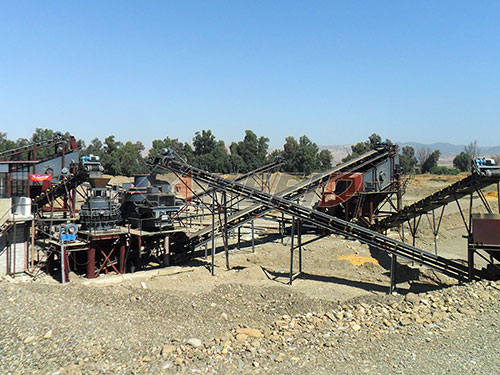
Tooptimizetheperformanceofajawcrusheroperatorsmustunderstandkeyparameters:
–*FeedSize(TheGape):*Themaximumsizeofmaterialthatcanbeacceptedbyacrusherstypically80-85%ofthecrushero’gape'(theopeningbetweenthejawsatthefeedopening).
–ClosedSideSetting(CSS):Thisisthemostimportantparameterfordeterminingproductsizethesmallestga pbetweenthetwojawsattheirclosestpointduringacycle.A smallerCSSproducesafinerproductbutreducesthecru sher’sthroughputcapacity.
–OpenSideSetting(OSS):Thelargestgapbetweenthetwojaws,whentheswingjawatitsfurthestpointfromthefixedjaw.Thisaffectsthedischargecharacteristics.
–Capacity(Throughput):**Measuredintonnesperhour(tph),itisinfluencedbythematerial’shardness,density,friability(moisturecontent),feedsize,CSS,andtheeccentricshaft’sspeed(rpm).
Modernadvancementshavefocusedheavilyonoptimizingchambergeometry.Awell-designedchamberensuresthreekeythings:
1.DeepPenetrationofCrushingAction:AsteepangleatthebottomensuresthatmaterialisfracturedallthwaydowntotheCSS,ratherthanjustbeingpusheddownunchanged.*
2.*EffectiveMaterialFlow:Theprofileshouldpreventchoking(bridging)whileensuringmaterialissubjectedtomultiplecompressioncyclesforsufficientreduction.
3.OptimalLinerUtilization:Aproperlyprofiledchamberensuresevenwearacrossthejawdies,maximizingtheirservice lifeandreducingoperatingcosts.*
Likeanytechnology,jawcrusherspossessdistinctstrengthsandweaknesses.
Advantages:
Limitations:
Inconclusion,thejawcru sherremainsanindispensablepieceofequipmentinthemineralprocessingandaggregateindustries.Itsenduringpopularityisdrivenbyitsfundamentalsimplicity,r ugge dconstruction,andprovenabilitytoprocesssomeofthemostchallengingmaterialsonearth.FromCharlesBrown’soriginalpatentin1858totoday’scomputer-modeledhydraulically-adjustedmachines,thecoreprinciplehaspersistedwhileengineeringrefinementshavecontinuouslyimproveditsefficiency,safety,andcontrol.Aslongasthereisanee dtobreakrock,theja wcru sherwillcontinuetoearnitsplaceastheprimaryworkhorseofcomminutioncircuitsworldwide
Lorem ipsum dolor sit amet, consectetur adipisicing elit. Consectetur sequi saepe ut sunt eveniet perferendis excepturi, iste obcaecati. Qui tempore hic sed quia soluta obcaecati vel.