Wholesale Quarry Ballast Crushing Equipment Contract Manufacturer: The Backbone of Infrastructure Development
The global construction and rail infrastructure sectors are colossal industries, fundamentally dependent on a steady, high-volume supply of specific materials. Among these, railway ballast—the crushed stone layer forming the trackbed—is paramount for stability, drainage, and load distribution. The production of this essential aggregate is not a simple task; it requires specialized, heavy-duty machinery designed for extreme durability and precise output grading. This is where the role of a Wholesale Quarry Ballast Crushing Equipment Contract Manufacturer becomes critical. These specialized firms are the unsung engineers behind the machines that build and maintain the world’s transport corridors.
Understanding the Product: Ballast Crushing Equipment
Ballast is not generic gravel. Specifications (such as those from AREMA in North America or RSSB in the UK) dictate strict size gradation (typically 1-2.5 inches or 25-63mm), particle shape (angular for interlocking), hardness, and cleanliness. Therefore, ballast crushing plants are engineered systems, not single machines. A typical configuration involves:
- Primary Crusher (Jaw Crusher): The workhorse that accepts large blasted rock (up to 1 meter in size) and performs the initial reduction.
- Secondary Crusher (Cone Crusher): Crucial for ballast. Cone crushers provide interparticle crushing, producing the desired cubical, angular shape essential for interlocking stability under dynamic train loads.
- Tertiary Crusher (Vertical Shaft Impactor – VSI): Often used for final shaping and removing flaky particles to enhance durability and meet stringent particle index requirements.
- Screening Decks: Multiple layers of vibrating screens meticulously separate output into oversize, product-size, and undersize fractions.
- Washing Systems: To remove fine dust, clay, and organic material that can compromise drainage—a key function of ballast.
- Conveyors & Control Systems: The network that ties the plant together, often with sophisticated PLC controls for optimization.
The Role of a Wholesale Contract Manufacturer
A wholesale contract manufacturer in this niche does not simply sell off-the-shelf machinery. They engage in a deep partnership with their clients—typically large quarry operators, national rail authorities, or major construction conglomerates—to design, fabricate, assemble, and sometimes even install complete turnkey crushing circuits tailored for optimal ballast production.
Their core value propositions include:
- Economies of Scale & Cost Efficiency: By specializing in high-volume production of standardized crusher frames, chambers, cones, jaws, and screen bodies, they reduce per-unit cost for their clients (the OEMs or large end-users). This wholesale model makes heavy capital equipment more accessible.
- Engineering Expertise & Customization: They possess specialized knowledge in metallurgy (using high-grade manganese steel for wear parts), mechanical design for high cyclic loading, and process flow optimization to maximize yield of specification ballast while minimizing waste.
- Integrated Supply Chain Management: They source raw materials (steel plate castings bearings motors) at scale manage complex fabrication schedules and ensure quality control throughout welding machining and assembly
- Focus on Core Competencies: For their clients an equipment brand owner or a large quarry operator partnering with a dedicated manufacturer frees them from massive capital investment in fabrication facilities allowing them to focus on sales distribution service and core operations
Key Considerations in Selection & Manufacturing
Choosing or working as a contract manufacturer for this equipment involves rigorous parameters:
- Durability & Wear Resistance: Ballast rock is abrasive Equipment must be built with exceptional wear liners easy replacement systems and robust structures to operate 16-20 hours daily often in remote locations
- Output Quality & Shape Control: The manufacturing tolerances crusher chamber designs and screen configurations are all geared toward producing the specified cubicle product A poorly configured plant will produce too many flaky or round particles leading to track settlement
- Capacity & Scalability: Plants must be designed for specific tonnage per hour requirements from 200tph for regional lines to over 1000tph for major rail projects Manufacturers must offer modular designs that can be scaled up
- Regulatory Compliance & Safety: Manufacturing adheres to international standards ISO CE etc Plants must be designed with safety guards dust suppression systems noise control and easy maintenance access
- Logistics & Global Supply Chain: These are large heavy items Effective manufacturers have expertise in disassembly packaging sea freight routing and providing assembly supervision documentation
Market Dynamics & Strategic Importance
The demand for wholesale ballast crushing equipment is directly tied to global infrastructure spending railway modernization heavy haul line development urban metro expansions Maintenance-of-way MOW activities also drive a steady replacement market Furthermore as environmental regulations tighten manufacturers are increasingly tasked with designing plants that optimize energy use incorporate water recycling in wash plants minimize dust emissions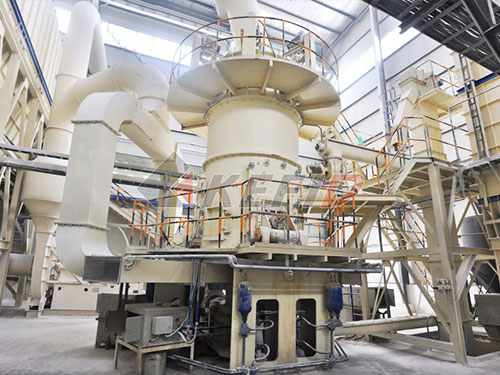
Strategic partnerships between quarry operators rail agencies engineering firms become vital A contract manufacturer often works closely with all stakeholders from initial geological assessment of the rock source to designing the flow sheet ensuring the plant can handle variations in feed material
Challenges Facing the Industry
- Raw Material Price Volatility: Fluctuations in steel alloy prices directly impact manufacturing costs
- Skilled Labor Shortage: A global shortage of experienced welders fabricators design engineers poses a significant challenge
- Technological Integration: The need to incorporate smart technology IoT sensors automation predictive maintenance data analytics into traditional heavy machinery requires continuous R&D investment
- Global Competition: Manufacturers face intense competition from established European North American Chinese suppliers requiring differentiation through quality innovation service support rather than just price
Conclusion: The Foundation Beneath the Tracks
In essence a Wholesale Quarry Ballast Crushing Equipment Contract Manufacturer operates at the intersection of heavy industrial manufacturing mining technology civil engineering They provide the foundational production capacity that enables the creation renewal of rail infrastructure which itself is a backbone of economic development By delivering robust efficient customized crushing plants these manufacturers play an indispensable though often overlooked role in global commerce Their success hinges on relentless focus on engineering quality understanding granular material science navigating complex logistics building long term trust based partnerships As nations worldwide invest in sustainable transport high speed rail freight corridors this specialized industrial sector will continue to be a critical enabler driving progress literally from ground up
