The Backbone of Construction: A Deep Dive into Wholesale Limestone Mining Logistics
Limestone is a fundamental raw material, the silent bedrock upon which modern civilization is built. It is the primary ingredient in cement, a key aggregate in concrete, a soil conditioner in agriculture, and a dimension stone for beautiful facades and monuments. However, the journey of this ubiquitous rock from a geological formation deep within the earth to a precisely graded product at a construction site or factory is a monumental feat of engineering, planning, and logistics. The wholesale limestone mining logistics chain is a complex, multi-stage operation where efficiency, cost-control, and safety are paramount.
This article provides a comprehensive overview of the logistical framework that supports the wholesale limestone industry, dissecting the process from quarry to customer.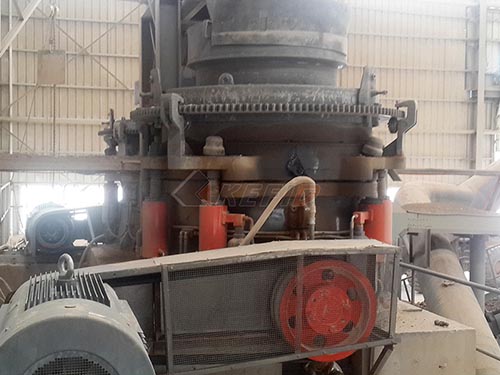
Phase 1: Pre-Extraction Planning and Geotechnical Assessment
Long before the first blast occurs, an extensive logistical and geological groundwork is laid. This phase is arguably the most critical, as it determines the viability and long-term efficiency of the entire operation.
- Resource Identification and Feasibility Studies: Geologists conduct surveys to map the quality, quantity, and accessibility of the limestone deposit. Core samples are analyzed for chemical composition (especially Calcium Carbonate content), hardness, and impurities. This data directly influences downstream logistics; a high-purity deposit might be earmarked for cement production or quicklime manufacturing, while lower-grade material may be destined for aggregate or road base.
- Mine Planning and Design: Based on the geological model, engineers design the quarry’s layout. This includes determining bench heights, haul road gradients, and the placement of primary crushers. The goal is to optimize the flow of material from the face to the processing plant with minimal energy expenditure and haulage distance. Modern operations use sophisticated software for 3D modeling and mine scheduling to sequence extraction in a way that ensures consistent quality and maximizes resource recovery.
- Infrastructure and Permitting: Securing the necessary environmental permits and land rights is a lengthy but essential logistical hurdle. Concurrently, infrastructure must be established: access roads to public highways, power supply for heavy machinery, water management systems for dust suppression and sediment control, and facilities for staff.
Phase 2: Extraction and In-Pit Logistics
This phase involves the physical removal of limestone from the quarry face and its initial movement.
- Drilling and Blasting: Controlled blasting is the primary method for fragmenting massive limestone beds. Drill patterns are meticulously planned to achieve optimal fragmentation size—too large, and it strains the primary crusher; too small, creates excessive dust and waste (quarry fines). The logistics here involve managing explosive magazines (a high-security endeavor) and coordinating blast schedules to minimize disruption to surrounding communities.
- Loading and Hauling: Once fragmented, hydraulic excavators or front-end loaders scoop up the material. The choice between these depends on selectivity (the need to separate different quality strata) and scale.
- Haulage represents one of the largest operational costs. The most common method involves off-highway dump trucks (e.g., Caterpillar 777s or BelAZ models). Their size dictates efficiency; larger trucks reduce per-ton fuel and labor costs but require wider, more robust haul roads.
- An alternative in-pit logistics system is using mobile crushers connected to conveyor belts. A mobile crusher is positioned close to the active face. The excavated rock is fed into it directly by shovels, crushed immediately,and then transported out of the pit via an extensive conveyor network.This system can be significantly more energy-efficient than truck haulage,but requires higher initial capital investmentand less flexibility in movingthe extraction point.
Phase 3: Processing Plant Operations – The Value-Added Hub
The processing plant is where raw limestone rock is transformed into sellable products through crushing,screening,and sometimes washing.This stage has its own intricate internal logistics.
- Primary Crushing: Often located at or nearthe quarry pit rimto reducehaulage distancesforunprocessed rock.Large jaw or gyratory crushers reduce boulders down to manageable sizes (typically <200mm).
- Secondaryand Tertiary Crushing: Using cone or impact crushers,thematerialis further reducedto create specific product sizes.Crushingis often donein closed circuitswith screens; oversized materialis recirculated backto ensure uniformity.
- Screening: Vibrating screens sortthe crushedmaterialinto varioussize fractions—fromlarge rip-rapand armor stone down to fine agricultural limeor filler material.The plant’s configurationcan be adjustedto meet market demandfor different products,making ita flexiblelogistical node.
- Material Handlingand Stockpiling: Conveyor beltsarethe arteriesof themodernprocessing plant,movingmaterial betweencrushers,screens,and stockpiles.Large radial stackersare usedto build organizedstockpilesby product type.Managingthese stockpilesis crucialfor inventory control,batch consistency,and preventing contaminationbetween different product grades.Dust suppressionthrough water spraysor chemical agentsis alogisticaland environmental necessity throughoutthis stage.
Phase 4: Outbound Transportation – Connecting Quarry to Market
This phase involvesthe movementof finishedproductsfromthe quarry’sgate tothe end-user.Itisthe mostvisibleand variablecomponentof wholesalelimestonelogistics,costing anywherefrom30%to 50%ofthe finaldelivered priceof thematerial.
-
Modal Selection:The choiceoftransportation modeis dictatedby distance,costinfrastructure,andproduct type.
- Trucking: Themostflexibleandcommonmode,forshortto medium-haul distances.Dump trucksare usedfor localconstruction projects,twhile pneumatic tanker trucks transportfine,powdery productslike ag-lime without contamination.End-dump trailersand live-bottom trailersare also common.Trafficmanagement,scheduling,and driveravailabilityare keylogistical challenges.Fuelcostsands driver shortagesmake thismode increasingly expensive.
- Rail (Unit Trains): For high-volume,londistance transporttocement plantsor distribution terminalsin major metropolitan areas.Rail offerssignificantly lowerton-milecosts than trucking once established.A dedicatedunit trainloading facilityatthe quarryallows forefficientloadingof entire trains(100+cars)in afew hours.The capitalcostfor buildingrail spursandsidingis high,butoperational savingscan besubstantialfor large-scaleoperations.
- Barge/Ship: For quarrieslocatedon navigable waterways,bargetransportis byfarthe most cost-effective modeforbulk materials.A single standard bargecan carrythe equivalentof 58truckloads,makingit idealfor supplyinglarge infrastructure projectsalong coastsorrivers.Self-unloading vesselswith conveyor systemsenable efficientdischargeat receivingterminals.This modeis heavily dependenton geographiclocationandrequires significantinvestmentin dockloading facilities.
- Conveyor Systems: Insome rare cases,a dedicatedoverlandconveyorbeltcan belinkeda quarrydirectlyto aneighboring cement plantor port.This representsa veryhigh capitalexpenditurebut offersextremely lowoperatingcostsand continuous,electric-poweredtransportation.Itisthe ultimateexpressionof integratedlogisticsbutisonly feasibleforspecific,directrouteswith guaranteedlong-term demand.
-
Intermodal Logistics: Many wholesalelimestone shipmentsuseacombinationof modes.For example,material maybe shippedby railto ariverside terminaltransloadedonto bargesforshippingto acoastalcity,and finallydeliveredlocallyby truck.This requires sophisticatedcoordination,scheduling,and handlingequipmentat transferpointsto preventdelaysand product degradation.
Phase 5: Inventory Management & Supply Chain Coordination
At its core,the wholesalelimestone businessis aboutmatching supplywith demand.The logistical functiondoesnot endat shipment;itinvolvesmanaginginventoryacrossthe entirechain.
- Demand Forecasting: Sales teams work with major customers(ready-mix concrete companies,Cement manufacturers)to forecastdemand.This allows production plannersto schedulethe rightproduct mixatthe processingplantandscheduleextractionaccordingly.
- DistributionTerminals(Satellite Yards): To servemarketsfar fromthe quarry,many large operatorsestablishdistribution terminalsin strategiclocations.Material isshippedin bulk(via rail orbarge)and storedinthese yards.Local trucksthen make finaldeliveriesreducing overalltransportcostsand improvingresponsetimesforthe end-customer.Managinginventorylevels atthese terminalsisa keylogistical task.
- Technology Integration: Modernlimestone operationsrely heavilyon technology.GPS trackingon haul trucks,Fleet managementsoftware,Telmaticsto monitorfuel consumptionand vehiclehealth,and Enterprise ResourcePlanning(ERP)systemsthat integrateproduction,sales,inventory,and accountingare nowstandard.Thesedigital toolsprovide thereal-time datanecessaryfor making agilelogistical decisionsoptimizingasset utilizationandreducing costs.
Conclusion: A Symphony of Coordinated Movement
The logistics underpinning wholesalelimestone miningrepresenta sophisticatedindustrial symphony.Each phase—fromgeological assessmenttothe finalmile delivery—mustbe meticulouslyplannedand seamlesslyintegrated.Inefficienciesat anystagecascade throughthe system,increasingcosts andreducing competitiveness.As globaldemandfor constructionmaterialscontinues togrowdrivenby urbanizationandinrastructure development,the pressureon thislogisticschainwill only intensify.The futurewill likelyseemore automationin haulageanda greaterrelianceondata analyticsandsustainablepracticesto optimizethis vitalflowof materialthat literallybuildsour world
