A Comprehensive Guide to Wholesale Crushing and Screening Equipment Samples
In the highly competitive and capital-intensive industries of mining, quarrying, and construction, the procurement of reliable and efficient machinery is paramount. For businesses operating in this sector—be they equipment dealers, large-scale contractors, or new market entrants—the decision to purchase crushing and screening equipment wholesale represents a significant strategic move. Central to this procurement process is the critical, yet often misunderstood, practice of evaluating equipment samples. This article provides a detailed exploration of wholesale crushing and screening equipment samples, examining their purpose, types, evaluation criteria, logistical considerations, and strategic importance in making informed capital investments.
1. The Purpose and Strategic Value of Equipment Samples
Unlike purchasing a single unit for a specific project, wholesale buying involves acquiring multiple machines to build inventory for a dealership or to equip several simultaneous projects. The financial commitment is substantial, and the risks of selecting underperforming equipment are magnified. Therefore, the primary purpose of obtaining a sample unit is to conduct rigorous, real-world due diligence beyond manufacturer specifications and sales presentations.
Key strategic values include: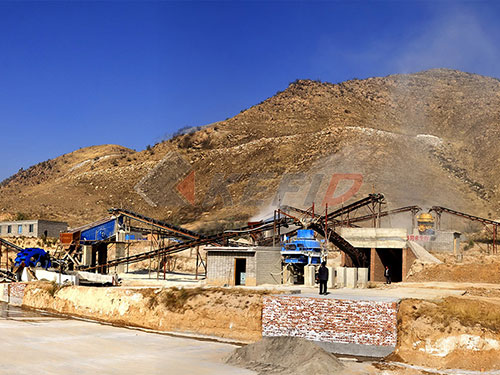
- Performance Verification: Brochures list theoretical capacities (tons per hour) based on ideal conditions. A sample allows a buyer to test the machine with their specific material—whether it’s abrasive granite, recycled concrete with rebar, or wet, sticky sand—to verify actual throughput, product shape (cubicity), and final product gradation.
- Build Quality and Durability Assessment: A hands-on inspection reveals the quality of steel used in the chassis, the thickness of wear liners, the robustness of bearings, and the standard of welding. This forensic examination helps predict the machine’s longevity and total cost of ownership.
- Operational Efficiency Evaluation: Samples allow potential buyers to assess fuel consumption under load, ease of daily maintenance (e.g., grease points accessibility), screen deck change-out times, and the intuitiveness of the control system. These factors directly impact operational profitability.
- Parts Commonality and Serviceability: For wholesalers stocking multiple brands or contractors running mixed fleets, understanding how easily parts can be sourced and how quickly common service tasks can be performed is crucial. A sample machine provides a tangible reference for service technicians to evaluate.
2. Types of Samples Available in the Wholesale Market
The term “sample” can manifest in several forms within this industry:
- Demonstration or Loaner Units: These are typically new or near-new machines provided by manufacturers or their distributors for a limited period (e.g., one to four weeks). The goal is to allow the potential buyer to operate the machine on their site with their material. This is considered the gold standard for sample evaluation.
- Pilot Plants or Mobile Test Units: Some specialized manufacturers offer smaller-scale versions or compact mobile plants designed specifically for testing purposes. These are ideal for processing smaller batches of material to confirm process viability before committing to a full-scale production plant.
- Component Samples: In some cases, especially with wear parts or key components like crusher jaws, cone mantles, or screen meshes, manufacturers may provide physical samples. This allows for metallurgical analysis or fit-checking before ordering in bulk.
- “As-Is” Former Rental Units: Some wholesalers may offer a used unit from their rental fleet as a de facto sample. While not pristine, it provides invaluable insight into how the equipment holds up over time under varied operating conditions.
3. Key Evaluation Criteria for Crushing & Screening Samples
A systematic approach to evaluating a sample is essential. The assessment should be multidisciplinary, involving input from operators, maintenance supervisors, and management.
For Crushers (Jaw, Cone & Impact):
- Crushing Efficiency & Product Shape: Measure power draw (amps) during operation against throughput. Analyze the crushed product for consistent gradation and optimal cubicity (desired for aggregate strength), as opposed to flaky or elongated pieces.
- Wear Part Life & Cost: Install new wear parts (jaws/mantles/liners/blow bars) at the start of the test if possible. Track tonnage processed versus wear rates to calculate cost-per-ton—a critical metric.
- Setting Adjustment & Clearing: Test the ease and speed of adjusting the crusher’s closed-side setting (CSS) for different products. Deliberately induce a stall or jam to evaluate the clearing cycle (e.g., hydraulic tramp release systems).
- Noise & Dust Emission: Measure operational noise levels and observe integrated dust suppression systems to ensure compliance with local environmental and safety regulations.
For Screening Equipment:
- Screening Accuracy & Efficiency: The primary job of a screen is segregation. Analyze screened products for contamination (e.g., fines in coarse aggregate). High efficiency means less recirculating load on crushers.
- Box Construction & Vibration: Inspect the rigidity of the screen box; excessive flex can lead to premature failure of bearings and decks.
- Deck Access & Change-Out Time: Time how long it takes to change out a screen media panel under realistic conditions using standard tools available on-site.
- Bearing Temperature & Vibration Analysis: Use thermal guns and vibration meters during extended operation to ensure bearings run within safe temperature ranges without excessive vibration.
General Machine Attributes:
- Mobility & Set-Up Time: For mobile plants (tracked or wheeled), time the process from transport mode to full operational mode.
- Safety Features: Evaluate emergency stops guarding around moving parts fall protection points service walkways
. ***Technology Integration: Assess telematics systems that provide data on location fuel usage production totals idle time etc
4 Logistical Financial Legal Considerations
Arranging an equipment sample involves complex logistics
Transportation: Who pays for transporting demo units Often covered by manufacturer but must be confirmed
Site Preparation: Is there adequate space stable ground proper access material feed system
Insurance: The potential buyer must have insurance coverage protecting against damage theft liability while demo unit onsite
Material Availability: Sufficient feedstock must be stockpiled conduct meaningful test
Trained Personnel: Operators must be familiarized controls safety features specific machine avoid accidents inaccurate performance data
Formal Agreement: Always sign detailed demo agreement outlining responsibilities duration insurance coverage acceptable use terms liability
5 Strategic Decision-Making Beyond Sample
While sample evaluation vital final decision wholesale purchase should incorporate broader strategic analysis
Total Cost Ownership TCO: Initial purchase price just beginning Consider projected costs maintenance repair parts fuel downtime over expected lifespan machine
After-Sales Support Parts Availability: Evaluate manufacturer distributor local support network Availability technical expertise speed parts delivery make break business relationship
Resale Value Brand Reputation: Established brands often hold value better market Research reputation reliability specific models industry forums customer references
Fleet Compatibility Standardization: Does new equipment integrate well existing fleet terms controls telematics common parts reducing training inventory complexity
Conclusion
Wholesale crushing screening equipment represents multimillion-dollar commitment cannot based solely paper specifications marketing promises Process obtaining evaluating comprehensive equipment sample indispensable step prudent procurement strategy provides empirical data validates performance assesses durability uncovers hidden operational costs By approaching process systematic disciplined manner involving key personnel focusing quantifiable metrics businesses can mitigate risk make informed investment decisions will yield returns years come Ultimately right sample tested thoroughly not just piece machinery but powerful tool ensuring long-term productivity profitability resilience competitive marketplace
