
In the global construction and mining industries, the demand for high-quality aggregates is ceaseless. To meet this demand efficiently and profitably, project managers and quarry operators are increasingly turning to medium-to-large-scale stationary crushing plants. Among these, the 250-300 tons per hour (TPH) capacity range represents a critical sweet spot, offering an optimal balance between high output and manageable operational complexity. However, the procurement of such a plant is not a one-size-fits-all endeavor. The concept of wholesale customization for a 250-300 TPH stone crushing plant has therefore become paramount, transforming a generic equipment purchase into a strategic investment tailored to specific operational goals.
This article provides a detailed exploration of the process, key considerations, and intrinsic value of customizing a wholesale 250-300 TPH stone crushing plant.
A crushing plant rated for 250-300 TPH is a significant industrial installation capable of processing enough raw material to supply major infrastructure projects, large-scale commercial concrete production, and extensive road construction. This capacity tier is substantial enough to justify significant capital expenditure (CAPEX) while requiring a sophisticated approach to design for maximizing return on investment (ROI).
Plants in this range are typically configured as multi-stage crushing circuits. A standard setup might include:
The “wholesale” aspect implies procuring this entire system—from primary feeder to final product conveyors—as an integrated package from a single supplier or consortium, often leading to cost efficiencies and streamlined responsibility.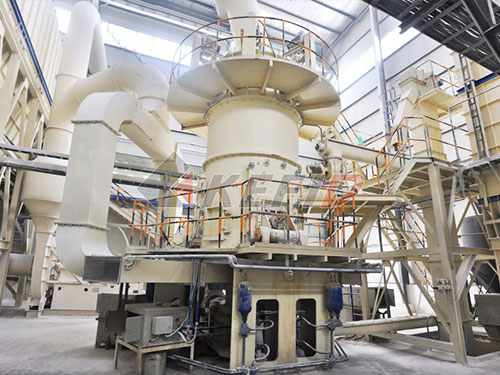
While standard plant designs exist, true operational excellence is achieved through customization. A customized plant is engineered from the ground up to align with specific parameters that dictate its long-term performance and profitability.
1. Feed Material Characteristics:
The geological profile of the raw material is the single most important factor driving customization.
2. Desired Final Product Specifications:
The end-use of the aggregates dictates the entire flow sheet.
3. Site-Specific Constraints and Infrastructure:
The physical location imposes critical design constraints.
4. Operational Philosophy:
Customization also reflects how the operator intends to run the plant.
A professional customization process follows a structured path:
Feasibility Study & Data Collection: The process begins with a thorough analysis of the feed material through laboratory testing (crushability, abrasiveness, chemical composition). Simultaneously, data on required products, site layout drawings, and local regulations are gathered.
Process Flow Sheet Development: Engineers create a detailed Process Flow Diagram (PFD), outlining every piece of equipment, transfer points, and material flow paths. This is the conceptual blueprint of the plant.
Equipment Selection & Sizing: Based on the PFD, specific models are selected:
Plant Layout Engineering: A detailed 2D or 3D model is developed.This ensures all equipment fits within spatial constraints,maintanence clearances are respected,and structural supports are correctly designed.It also helps visualizeand optimize conveyor routes.
5 .Control System Integration: The levelof automationis definedand programmed.This includes interlocksfor equipment safety(start/stop sequences),load management systemsfor crusher optimization,and data loggingfor production reporting .
6 .Fabrication ,Installation & Commissioning: Once designed,the plan tis fabricated ,oftenin modular sectionsfor easier transport.On-site installationis followedby commissioning-wherethe plantis runwith actual materialto fine-tune settingsand verifyit meetsall performance guarantees .
Whilethe upfront engineering costfor customizationis higherthan buyinga standard package,the long-termeconomic benefitsare substantial :
Investinginawholesale250 -300TPHstonecrushingplantisamajorcapitaldecision .Treatingitasacommoditypurchaseisariskypropositionthatcanleadtochronicunderperformance ,highoperatingcosts ,and frequentdowntime .Embracingacomprehensivecustomizationprocess ,guidedbyexperiencedengineers ,transforms thisinvestmentintoareliable ,high -profitabilityproductionasset .By meticulously tailoringeveryaspectoftheplant —fromthegeologyofthefeedmaterialtothespecificationsofthefinalproductandtheconstraintsofthesite —operatorscanensuretheir250 -300TPHfacilitynotonlymeetsbutexceedsexpectationsfordecadestocome .
Lorem ipsum dolor sit amet, consectetur adipisicing elit. Consectetur sequi saepe ut sunt eveniet perferendis excepturi, iste obcaecati. Qui tempore hic sed quia soluta obcaecati vel.