Wholesale 250-300 TPH Stone Crushing Plant: An Affordable Solution for Mid-Scale Aggregate Production
In the competitive world of construction, mining, and infrastructure development, the demand for high-quality aggregates is perpetual. For mid-scale quarry operators, mining companies, and large construction contractors, investing in a reliable and efficient crushing plant is a pivotal decision. A Wholesale 250-300 TPH (Tonnes Per Hour) Stone Crushing Plant emerges as a strategically optimal and affordable solution, striking a perfect balance between production capacity, capital investment, and operational efficiency. This article delves into the technical composition, economic advantages, key considerations for procurement, and the inherent value proposition of such a plant.
Understanding the 250-300 TPH Capacity Tier
A crushing plant with an output range of 250 to 300 tonnes per hour occupies the crucial mid-capacity segment. It is substantially more productive than small portable plants (50-150 TPH) yet avoids the colossal capital and logistical demands of mega-quarry installations (500-1000+ TPH). This capacity is ideally suited for: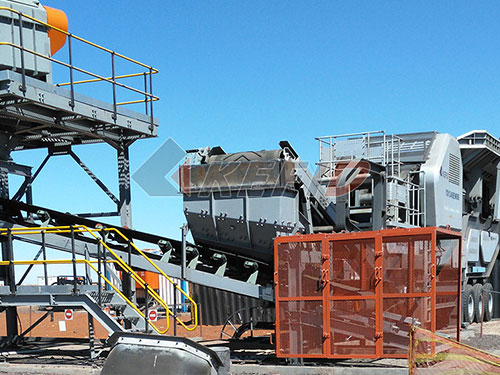
- Regional Quarry Operators: Supplying aggregates to local municipalities, ready-mix concrete plants, and asphalt producers.
- Large Road/Bridge Projects: Providing on-site or near-site crushing to meet substantial material requirements.
- Mining Pre-processing: Handling overburden or primary crushing of medium-hard ores.
- Contract Crushing Businesses: Offering mobile services for multiple clients with varying project scales.
Technical Configuration: The Heart of Affordability and Efficiency
The affordability of a wholesale 250-300 TPH plant is deeply intertwined with its intelligent design and configuration. A typical setup follows a three-stage crushing process for optimal particle shape and size control:
-
Primary Crushing Station: A robust jaw crusher or gyratory crusher forms the first line of defense. For this capacity, a jaw crusher in the range of 42″x48″ or equivalent is common. Its function is to reduce large boulders (up to 800-1000mm) to manageable sizes (150-200mm).
-
Secondary Crushing Station: This stage typically employs a cone crusher or a large impact crusher. Cone crushers are preferred for abrasive materials like granite and basalt due to their durability and ability to produce well-shaped aggregates. A single high-performance cone crusher (e.g., 300 HP range) can efficiently handle this stage.
-
Tertiary/Final Crushing Station: For producing precisely graded final products (e.g., concrete sand, asphalt chips), a vertical shaft impactor (VSI) crusher or another cone crusher configured for fine crushing is used. The VSI is renowned for its excellent cubical product shape.
Supporting Components for a Cohesive System:
- Vibrating Feeders & Grizzlies: Ensure steady material flow and remove undersize material before primary crushing.
- Vibrating Screens: Multi-deck screens (typically 2-3 decks) are critical for classifying material into different product sizes (e.g., 0-5mm, 5-10mm, 10-20mm). Efficient screening directly impacts product quality and plant throughput.
- Conveyor System: A network of belt conveyors connects all stages. Their width, speed, and durability are vital for seamless material transfer.
- Power Generation & Distribution: The entire plant may require a total connected power of 500-700 kW. Options include grid connection or onboard diesel generators.
- Dust Suppression System: A comprehensive system using water sprays and enclosures is non-negotiable for environmental compliance and worker safety.
The “Affordable” Proposition: Analyzing Cost Drivers
The term “affordable” in this context does not imply “cheap,” but rather “high value-for-money.” Wholesale procurement from reputable manufacturers or integrated suppliers unlocks significant cost advantages:
- Economies of Scale in Procurement: Purchasing a complete plant package from one source eliminates markups from multiple subcontractors. Wholesale suppliers bundle equipment at better rates.
- Optimized Design Integration: A plant designed as a unified system ensures compatibility between components, reducing bottlenecks, maintenance surprises, and future retrofit costs.
- Reduced Operational Cost per Tonne (CPT): Higher efficiency from well-matched components leads to lower power consumption per tonne crushed. Modern plants also feature automation systems that optimize crusher settings and monitor wear parts, maximizing yield and uptime.
- Flexibility in Sourcing & Configuration:
- Clients can choose between reputable global brands or reliable mid-tier manufacturers offering significant cost savings without drastic quality compromise.
- The choice between a stationary plant (lower cost) or a track-mounted/semi-mobile plant (higher flexibility) allows customization based on site lifespan.
Key Considerations When Procuring a Wholesale Plant
To ensure true affordability over the plant’s lifecycle (Total Cost of Ownership), due diligence is essential:
- Material Characteristics: The hardness (compressive strength), abrasiveness (SiO2 content), moisture content, and feed size distribution dictate the exact type of crushers required.
- Desired End Products: The number and specification of final products determine the complexity of the screening circuit—more products often require more screens or conveyors.
- Site Logistics & Mobility: Will the plant remain fixed? If relocation is needed periodically, modular designs with quick-disconnect connections add immense value despite slightly higher initial cost.
- After-Sales Support & Parts Availability: This is arguably the most critical factor beyond price. A wholesale supplier must provide accessible technical support, comprehensive documentation, training programs locally available spare parts inventory at reasonable prices
and readily available wear parts. Downtime waiting for parts can erase any upfront savings
.
.
.
.
.
.
.
.
Conclusion
A wholesale-purchased stone crushing station represents far more than just an assembly line; it serves as an investment into long-term operational stability within today’s dynamic market landscape where both efficiency gains matter greatly alongside responsible stewardship practices concerning our shared environment—all while maintaining tight control over bottom lines through smart procurement strategies focused upon holistic value creation rather than mere sticker-price comparisons alone
