
In the competitive global landscape of size reduction and material processing equipment, the concept of a White Label Hammer Mill Assembly Plant represents a sophisticated and strategic business model. It moves beyond simple manufacturing to offer a comprehensive, flexible, and market-responsive solution for companies looking to establish or expand their brand presence without the colossal capital expenditure and R&D overhead associated with building such machinery from scratch. This article delves into the intricacies of this model, exploring its operational framework, strategic advantages for both the plant operator and the client, key considerations for implementation, and its role in the modern industrial ecosystem.
At its core, a white label assembly plant is a specialized manufacturing facility that produces hammer mills—robust machines designed to crush, grind, pulverize, or shred aggregate material into smaller pieces—to be sold under another company’s brand name. The client company, which could be an agricultural conglomerate, a recycling startup, a mining equipment distributor, or an international trading house, provides its branding (logos, color schemes, nameplates) and marketing strategy. The assembly plant provides everything else: sourcing of raw materials and components (from structural steel to motors and specialized hammers), precision engineering, skilled labor for assembly, quality control (QC), testing, and often after-sales support logistics.
This model is distinct from both Original Equipment Manufacturing (OEM) and private labeling in its degree of customization. While private labeling often involves selling a standard product with a different badge, a proficient white label plant offers significant customization. This can range from modifying the feed hopper size and screen configurations to altering the rotor assembly’s design or integrating specific motor types to meet unique client specifications or regional power standards.
The proliferation of this business model is driven by compelling advantages for all parties involved.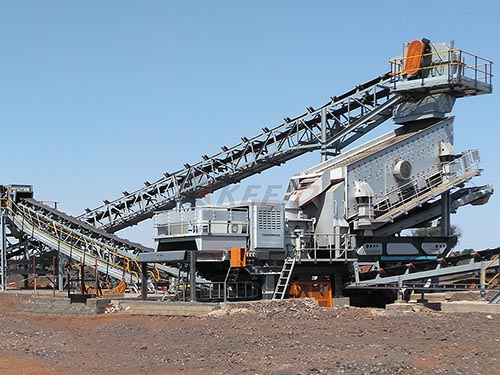
For the Client Company (The Brand Owner):
For the Assembly Plant Operator:
Economies of Scale: By producing hammer mills for multiple clients—even if they are competitors in the marketplace—the plant can achieve significant economies of scale in raw material procurement and component purchasing.
Stable Revenue Streams: Long-term contracts with multiple clients provide predictable revenue,
Focus on Manufacturing Excellence: The plant can concentrate its efforts on continuous improvement in production efficiency,
Market Intelligence: Serving diverse clients across different sectors (e.g.,
To deliver on its promises,
Robust Engineering and Design Flexibility: The foundation of a successful plant is a portfolio of proven,
Stringent Quality Control and Testing: The reputation of both the plant and its clients hinges on product reliability.
Agile Supply Chain Management: A resilient supply chain is non-negotiable.
Skilled Labor Force: Assembly is not merely bolting parts together.
Clear Intellectual Property (IP) Agreements: A critical,
Companies exploring this model must perform rigorous due diligence when selecting an assembly plant partner.
The white label hammer mill assembly plant is far more than just a factory that builds machines for others to sell; it is a strategic enabler in the global industrial supply chain.
For brand owners,
For society,
In an era defined by specialization,
It represents not just an outsourcing of production,
It embodies efficiency,
It allows innovators to innovate,
Ultimately,
It ensures that robust,
driving progress in fields as diverse as sustainable agriculture,
It is
Lorem ipsum dolor sit amet, consectetur adipisicing elit. Consectetur sequi saepe ut sunt eveniet perferendis excepturi, iste obcaecati. Qui tempore hic sed quia soluta obcaecati vel.