
The jaw crusher stands as one of the most fundamental and robust pieces of equipment in the fields of mining, aggregate production, and construction. Its operating principle is deceptively simple: a fixed vertical jaw and a movable jaw converge to compress and fracture rock. However, the heart of this process lies not just in the linear motion but in the specific direction of rotation of the eccentric shaft that drives the movable jaw. This rotation is a critical design parameter that dictates performance, efficiency, wear patterns, and even safety. Understanding whether a jaw crusher is designed for clockwise or counter-clockwise rotation is essential for optimal operation and maintenance.
This article delves into the mechanics, implications, and strategic considerations of jaw crusher rotation, providing a comprehensive overview for engineers, plant managers, and technicians.
At its core, a jaw crusher transforms the rotary motion of an electric motor or diesel engine into the reciprocating (back-and-forth) motion required to crush material. This transformation is achieved through a meticulously engineered assembly:
The Process:
As the eccentric shaft rotates, it causes the pitman to move in an elliptical path. The top of the pitman, where it connects to toggle plate has a predominantly horizontal stroke. This motion causes:
This cyclical process reduces large rocks to smaller gravel-sized aggregate through repeated compression cycles.
The direction of rotation refers to view from specific reference point—typically looking at side with flywheel or from drive pulley end towards machine itself.
There are two primary configurations:
It is crucial to note that there is no universal “correct” direction; it depends entirely on manufacturer’s design specifications for particular model year even within same manufacturer different models may have different requirements based on geometry kinematics crushing chamber design etcetera
The choice rotation direction isn’t arbitrary has profound effects on operational behavior key performance metrics including:
A) Crushing Action and Particle Shape
Direction influences how material drawn into chamber how it flows downward Optimal rotation designed maximize “nip angle”—angle between movable fixed jaws at feed opening—to effectively grip material pull it into zone where maximum compressive force applied Improper rotation can lead poor nip inefficient grabbing increased slippage generation more flaky elongated particles versus well cubical product desired for high-quality concrete asphalt
B) Wear Patterns and Service Life
Jaw plates manganese steel wear liners subject extreme abrasive wear Direction rotation determines path which abrasive particles slide across plate surfaces during each cycle Correct direction ensures wear distributed evenly across plate surface prolonging its service life Incorrect rotation can cause accelerated localized wear particularly at bottom discharge setting area leading premature replacement downtime increased operating costs Furthermore directional load on pitman bearings toggle plate seat can be significantly altered by wrong rotation accelerating fatigue potential failure these critical expensive components
C) Throughput Capacity
Efficient material flow key achieving rated throughput capacity Properly oriented rotational kinematics facilitate smoother downward progression crushed material by combined action gravity mechanical motion preventing choking bridging phenomena where large pieces get stuck impede flow Reverse or incorrect rotation can disrupt this natural flow path causing material pack tightly chamber reducing effective volume requiring more frequent stops clear blockages ultimately lowering overall tons-per-hour output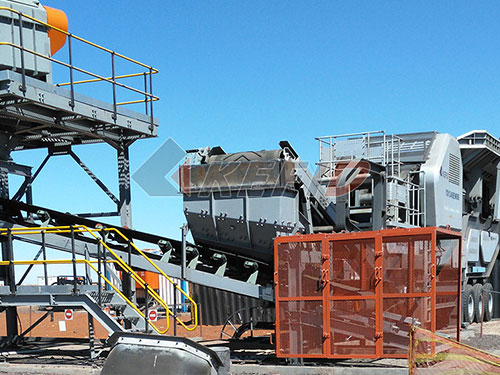
D) Power Consumption
An inefficient crushing cycle caused by improper rotation forces drive motor work harder overcome poor kinematics increased friction within chamber This manifests as higher amperage draw motor leading escalated energy costs potential overheating electrical components over long term Correctly aligned system operates closer its designed efficiency curve minimizing wasted energy
Given these critical implications correctly establishing verifying rotational direction paramount step during installation after maintenance events like motor replacement V-belt re-tensioning etcetera Process involves:
If found incorrect remedy simple for electric motors involves swapping any two phases three-phase power supply For single-phase motors or drives may require internal reconfiguration per manufacturer instructions Never attempt change direction by re-routing belts pulleys as this creates unsafe cross-drive conditions
Most traditional jaw crushers are designed for single fixed rotational direction However some modern advanced designs incorporate features that leverage or accommodate both directions:
In conclusion concept “rotation” in context jaw crushers extends far beyond simple spinning shaft It foundational principle deeply intertwined with machine’s DNA governing its efficiency product quality mechanical longevity economic viability Understanding that specific directional characteristic—whether clockwise counter-clockwise—is deliberate engineering choice tailored maximize performance particular model cannot overstated Neglecting verify this seemingly minor detail during installation maintenance can lead cascade negative consequences including poor product shape accelerated component wear reduced throughput higher energy consumption unplanned downtime Therefore rigorous adherence manufacturer specified rotational direction represents low-cost high-impact best practice cornerstone responsible effective comminution plant management Always consult official documentation perform verification checks ensure your primary reduction tool operates as intended delivering reliable productive service throughout its lifespan
Lorem ipsum dolor sit amet, consectetur adipisicing elit. Consectetur sequi saepe ut sunt eveniet perferendis excepturi, iste obcaecati. Qui tempore hic sed quia soluta obcaecati vel.