
Introduction
In the demanding and technically complex field of underground mining, the efficient and safe extraction of ore is paramount. The process does not end once the ore is blasted from the in-situ rock mass; it must be transformed into a manageable material flow that can be transported to the surface for processing. Two critical, yet often conflated, components of this production cycle are Carryout Bursting and Crushing Operations. While both are integral to the mucking and haulage system, they represent distinct stages with unique objectives, methodologies, and equipment. This article provides a detailed examination of these operations, elucidating their definitions, purposes, techniques, equipment, and their critical role within the broader context of modern underground mining.
Part 1: Carryout Bursting – The Secondary Breakwater
1.1 Definition and Purpose
Carryout Bursting, more formally known as Secondary Blasting or Boulder Blasting, is a targeted fragmentation process conducted after the primary production blast. The primary blast is designed to break the solid rock face (the stope or development face) into a muck-pile of fragmented ore. However, this initial blast is rarely 100% efficient. Invariably, it produces oversized fragments or boulders that are too large to be handled by the downstream equipment.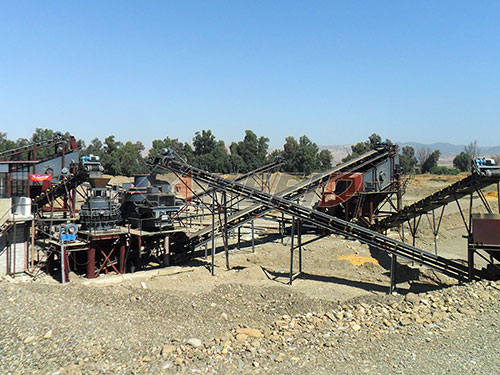
The purpose of carryout bursting is singular: to reduce these oversized rocks to a size that can be successfully loaded by Load-Haul-Dump (LHD) vehicles or scoops into the haulage system. An oversized boulder can cause significant operational disruptions, including:
The term “carryout” itself implies that this is not always a stationary process; sometimes smaller boulders are moved (“carried out”) to a safer or more convenient location before being burst.
1.2 Methods and Techniques
Carryout bursting employs several techniques, chosen based on factors like boulder size, location, rock strength, and safety regulations.
Pop Shooting (Plaster Shooting): This is one of the most common methods. It involves drilling a hole into the boulder, often with a hand-held rock drill. A small explosive charge, typically a cartridge of dynamite or an emulsion explosive, is placed in the hole. The hole is then stemmed (plugged) with drill cuttings or clay. Upon detonation, the shockwave and expanding gases from the contained charge fracture the boulder. This method requires precision to avoid excessive fragmentation or flyrock.
Blockholing: Similar to pop shooting but used for larger boulders or where more breakage is needed. It may involve drilling multiple holes in a pattern on the boulder to achieve better control over the fracture lines.
Non-Explosive Methods: Due to increasing safety concerns and regulatory restrictions around explosives use in confined spaces, non-explosive methods are gaining prominence.
Part 2: Crushing Operations – The Haulage Optimizer
2.1 Definition and Purpose
While carryout bursting deals with sporadic oversized rocks,the primary crushing operation represents a systematic,machine-based process.Its purpose extends beyond mere fragmentation; its core objective is to ensure that all ore enteringthe haulage system conforms toa specific maximum size.This optimizationis crucial forthe efficiency ofthe entire material handling chain.The key reasons for implementing an underground crusher include:
2 .2 Methodsand Equipment
Underground crushingisacapital-intensive installation involving heavy machinery.The choiceof crusher type depends onthe required product size ,capacity ,and rock characteristics.The main types include:
Jaw Crushers: A robustand reliable design featuringa fixed vertical jawanda moving jawthat createsa compressive “chewing” action.Theyare excellent for hard ,abrasive rocksand producea relatively coarse product.Often used as primary crushers underground due tot heir simplicityand abilityto handle large feed sizes.
Gyratory Crushers: Similarin principletojaw crushersbut with higher capacityand continuous action.A mantle gyrates withina concave bowl ,continuously compressingand breakingthe rock.Theyare highly efficientfor high-tonnage applicationsbut are largerand more complexthan jaw crushers.
Cone Crushers: A refinementofthe gyratory design ,cone crushersare used for secondary crushingto produce finer product sizes.They work by compressing rock betweenan eccentrically gyrating spindleanda fixed concave hopper.
The typical setup involvesa crusher station located ata strategic pointin themine ,often atthe bottomofan ore passor nearthe shaft.The oreis dumped intoa large feed hopper (surge bin) ,which regulates flow intothe crusher.The crushed material then discharges ontoa conveyor beltfor transportto eitherthe shaft skipor directlyto surface via inclined conveyors .
Part 3: The Operational Synergyand Critical Distinctions
Itis vitalto understandthat carryout burstingand crushingare not interchangeable;theyare sequential ,complementary operations addressing different problems within thematerial size reduction workflow .
| Feature | Carryout Bursting (Secondary Blasting) | Primary Crushing Operation |
|---|---|---|
| Primary Objective | Fragment sporadic oversized boulders post-primary blast . | Systematically reduce all run-of-mine oretoa specified top size . |
| Natureof Work | Reactive ,spot-treatment .Occurs at multiple locations near production areas . | Proactive ,continuous process .Centralized ata fixed installation . |
| Scale & Scope | Localized treatmentof individual problematic rocks . | Plant-scale processingofthe entire ore stream . |
| Typical Methods | Pop-shooting ,blockholing ,hydraulic bursting . | Mechanical comminution using jaw ,gyratory ,or cone crushers . |
| Key Driver Safety & Equipment protection during loading ;unblocking draw points .Optimizationof haulage & conveying systems ;preparation for hoisting . |
The synergyis clear:carryout bursting ensures that no single oversize rock can disruptthe flowof ore fromthe stope tot he grizzlyore pass leadingtothe crusher.In turn,the primary crusher guarantees that what enters themain haulage systemis optimally sized for efficient transport.Failure ineither stage creates bottlenecks—boulders jam LHDs atthe face level,and uncrushed oversize jams conveyorsor reduces skip payloadsatthe haulage level .
Part 4: Safety Considerations
Both operations carry inherent risks that must be rigorously managed through engineering controls ,administrative procedures,and personal protective equipment (PPE).
For Carryout Bursting: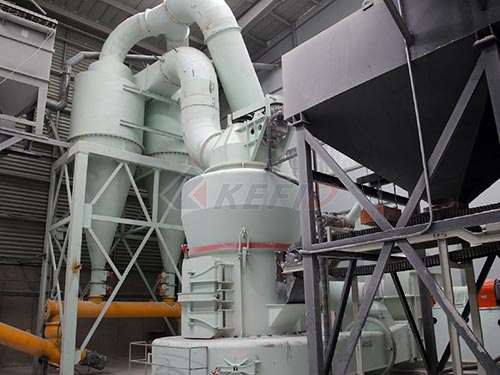
For Crushing Operations:
Conclusion
In conclusion carryout burstingand primary crushingare two pillars supportingthe efficacyofthe underground ore handling system.Carryout bursting acts asthe first lineof defense against oversize material safeguarding loading equipmentand ensuring uninterrupted mucking.Itis characterized byits flexibility decentralized nature reliance on both explosive non-explosive techniques.In contrast primary crushing represents centralized high-capacity mechanical comminution Its roleisto impose uniformity onthe ore stream unlocking efficiencies inthe subsequent stagesof haulage hoisting Ultimately understanding distinct roles methodologies synergies between these two operations essential for designing operating safe productive modern underground mine Together they form critical link between blasting face final journey ore surface processing plant
Lorem ipsum dolor sit amet, consectetur adipisicing elit. Consectetur sequi saepe ut sunt eveniet perferendis excepturi, iste obcaecati. Qui tempore hic sed quia soluta obcaecati vel.