A Comprehensive Guide to Used Portable Rock Crushers: Maximizing Value and Mitigating Risk
The crushing of rock, aggregate, and minerals is a cornerstone of modern construction, mining, and recycling industries. For many operations, particularly those with multiple job sites, temporary projects, or budget constraints, the purchase of a brand-new portable rock crusher can represent a significant capital expenditure. This reality makes the market for used portable rock crushers an attractive and often strategic alternative. Acquiring a pre-owned unit can unlock substantial value, but it requires a discerning eye, thorough due diligence, and a clear understanding of the associated risks and rewards.
This article provides an in-depth exploration of the used portable rock crusher market, covering its advantages, inherent challenges, key considerations for evaluation, popular models to consider, and best practices for making a successful purchase.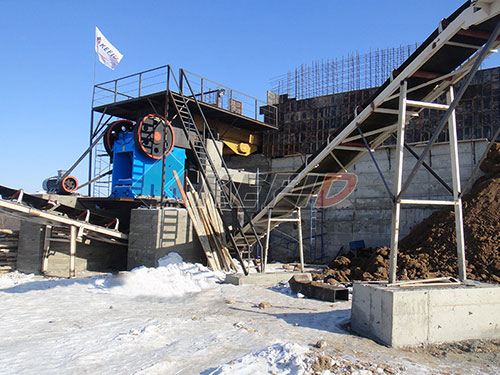
The Compelling Advantages of Buying Used
The primary driver for choosing a used portable rock crusher is economic. The financial benefits are multifaceted:
- Lower Capital Investment: The most obvious advantage is the significantly reduced purchase price. A used crusher can often be acquired for 30% to 60% less than the cost of an equivalent new model. This lower entry point frees up capital for other critical aspects of the operation, such as ancillary equipment, labor, or site development.
- Reduced Depreciation: New equipment experiences its most rapid depreciation in the first few years. By purchasing used, the initial buyer has already absorbed this steepest part of the depreciation curve. This can lead to better asset retention value if the machine is well-maintained.
- Faster ROI (Return on Investment): With a lower initial cost, the time required to generate enough revenue to cover the investment is considerably shorter. For short-term projects or contractors looking to quickly expand their service offerings without long-term debt commitments, this is a critical factor.
- Proven Performance History: Unlike a new model that may have unproven design changes or teething issues in the field (especially from newer manufacturers), many used crushers are established models with well-documented performance records and readily available parts and service support.
Navigating the Inherent Challenges and Risks
While financially appealing, purchasing used equipment is not without its pitfalls. A buyer must be prepared to confront these potential challenges:
- Unknown Maintenance History: This is arguably the single greatest risk. A machine that has been poorly maintained or operated beyond its design limits may harbor hidden damage that leads to catastrophic failure soon after purchase.
- Hidden Wear and Damage: Critical components like bearings, liners (mantle and concave/cheek plates), rotors (in impact crushers), and shafts can have wear that is not immediately visible upon casual inspection.
- Obsolescence: Older models may lack modern features such as advanced automation systems (like automatic setting regulation), telematics for remote monitoring (e.g., Caterpillar’s Product Link™), or fuel-efficient engine tiers (Tier 4 Final). They may also no longer be supported by the manufacturer with genuine parts.
- Limited Warranty: Unlike new equipment that comes with comprehensive manufacturer warranties (often one year or more), used equipment is typically sold “as-is, where-is,” offering no protection against post-purchase failures.
A Systematic Approach to Evaluation: The Pre-Purchase Inspection
To mitigate risks, a rigorous and systematic inspection process is non-negotiable.
1. Define Your Application Needs First:
Before even looking at specific machines:
- Material Type: What type of rock will you be crushing? Granite? Basalt? Limestone? Recycled concrete? Asphalt? Harder materials require more robust crusher designs.
- Required End Product: What are your final product specifications (size and shape)? Jaw crushers are excellent for primary crushing but produce more flaky product; cone crushers offer better cubicity for secondary/tertiary stages; impact crushers are ideal for softer materials and excellent shaping capabilities.
- Production Capacity: What tons-per-hour (TPH) output do you require?
- Mobility Requirements: How frequently will you move it? Is it road-portable within legal dimensions?
2. Physical Inspection Checklist:
3 Operational Test:
A demonstration under load is invaluable If possible arrange to run some material through it Observe:
- Does it start smoothly under load?
- Is there excessive vibration noise coming from crushing chamber?
- Does power plant produce black smoke indicating potential over-fueling issues?
- Do all conveyors track properly without misalignment?
Popular Models in Used Portable Market
Certain models have earned reputations durability reliability making them highly sought-after secondary market Some these include:
- Metso Nordberg Lokotrack LT Series: Particularly LT106 jaw LT300HP cone Known advanced features high reliability excellent resale value
- Sandvik QJ Series QJ341 jaw QH331 cone Renowned robust build quality efficient crushing chambers
- Terex Cedarapids MVP Series Cone Crushers Well-regarded their versatility rolling bolt adjustment system
- Eagle Crusher UltraMax Impactors Popular asphalt concrete recycling applications known simple durable designs
- Kleemann Mobirex MR Impactors Mobifox Jaw Crushers German engineering high performance advanced technology
Older models from manufacturers like Pegson Powerscreen Extec also present good value but require closer inspection due age potential parts obsolescence
Sourcing Best Practices Financing Logistics
Where Buy:
- Reputable Equipment Dealers Often offer certified units limited warranties peace mind albeit higher price private sellers
- Online Auctions e.g Ritchie Bros IronPlanet Can provide good deals but inspection opportunities limited bidding competitive
- Direct Private Sales From other contractors Can yield best price requires highest level due diligence buyer
Financing Considerations:
Financing used equipment different new Lenders perceive higher risk so interest rates may slightly higher Loan-to-value ratios might lower requiring larger down payment Having detailed inspection report help secure favorable terms
Transportation Logistics:
Portable does mean easy move Ensure understand machine’s transport dimensions weight plan necessary permits pilot escort vehicles advance Factor cost into overall budget acquisition
Conclusion: An Informed Decision Leads Success
Used portable rock crusher represents powerful tool contractor’s arsenal offering pathway increased operational capacity profitability without burden massive capital outlay However path fraught potential pitfalls Success hinges meticulous disciplined approach centered comprehensive pre-purchase inspection clear understanding application requirements By investing time effort evaluation process buyers can confidently navigate secondary market secure machine delivers years reliable productive service turning raw material valuable commodity driving business forward
