
The management of construction and demolition (C&D) waste, particularly concrete, presents a significant logistical and environmental challenge. In this context, the tractor driven concrete crusher has emerged as a pivotal piece of equipment, offering a versatile, cost-effective, and mobile solution for on-site material reduction. This attachment, which transforms a standard agricultural or industrial tractor into a potent recycling machine, has revolutionized small to medium-scale demolition, land clearing, and site development projects. This article provides a comprehensive technical overview of tractor driven concrete crushers, examining their operational principles, key components, applications, advantages, limitations, and critical operational considerations.
A tractor driven concrete crusher is not a self-powered unit but an attachment that leverages the power and hydraulic system of a host tractor. Its core function is to apply immense mechanical force to fracture concrete into smaller, manageable pieces. The most common type is the jaw crusher attachment, which operates on a straightforward yet powerful principle.
Crushing Mechanism: The attachment features two vertical jaws—one is fixed (stationary jaw), while the other moves in a elliptical motion (swing jaw). The concrete is fed into the chamber between these two jaws. As the swing jaw moves towards the fixed jaw, it compresses the concrete against the stationary surface, inducing stress that exceeds the material’s compressive strength and causing it to fracture. The crushed material falls under gravity through an adjustable gap at the bottom, known as the closed-side setting (CSS), which determines the final product size.
Power Transfer System: The operation is entirely dependent on the host tractor’s capabilities.
Key Components of the Crusher Attachment:
The versatility of tractor driven concrete crushers makes them suitable for a wide array of applications:
The adoption of tractor driven crushers is driven by several compelling advantages:
Despite their advantages,tractor drivenconcretecrushersare not apanaceaand havedistinct limitations:
Limited Throughput Capacity:
Comparedto self-propelledmobilecrusherswith dedicatedhigh-horsepowerengines,tractor-drivenmodelshave amuch lower hourlyoutput(typically5-30 tonsper hourversus100+ tons).Theyare not suitablefor large-scalecommercialquarryingor high-volumedemolitionprojects.
Dependenceon TractorSpecifications:
The performanceis entirelygovernedbythe hosttractor’sequipment.A tractormusthave sufficient:
1.HydraulicFlow(GPM)and Pressure(PSI):Insufficientflowwillresultin slow,s luggishcyclingofthejaw.Insufficientpressurewillnotgeneratethenecessarycrushingforce.
2.Horsepower:Adequateenginehorsepowermustbe availabletodrivethehydraulicpumpwithoutstallingthetractor
3.Weightand Stability:Concretecrushinggeneratesimmensevibrationsandrecoilforces.Alightweighttractormaybecometippyor unstable.Aheavierindustrialoragriculturaltractorprovidesessentialcounterweightand stabilityforsafeoperation
*. MaterialSizeLimitations
Thefeedopeningofthejawdictatesthemaximumsizeofconcrete slabsthatcanbe processed.Largefoundationsor thickwalls mayrequirepre-breakingwithahydraulicbreakerbeforetheycanbefedintothecrusher
*. Wearand TearontheTractor
Theconstant,vibration-intensiveworkputs significantstressonthetractor’shydraulicsystemengine,and chassisacceleratingwearandmaintenanceneeds
To ensuresafe,efficient,and economicaloperationseveral factorsmustbe meticulouslyconsidered:
*. ProperTractorSelectionand Matching
Thisisthemostcriticalstep.Thecrushermanufacturerwill specifyminimumrequirementsforhydraulicflowpressure,PTOhorsepower,andtractorweight.Selectingatractorthatmeetsorexceedstheserequirementsis non-negotiableforperformanceandsafety.Underspeccingthetractorisacommoncauseoffailure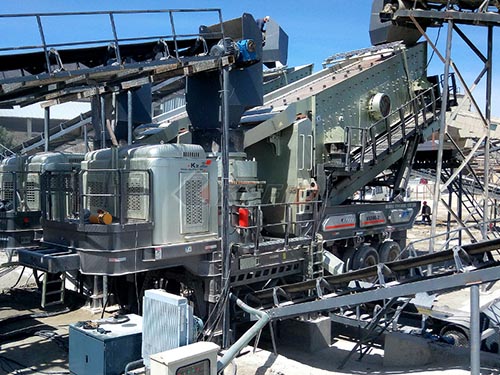
*. MaterialPreparation
Efficiencyisgreatlyenhancedbypre-processingmaterial.Feedingreinforcedconcrete(rebar)intothecrusherispossiblebutwillacceleratewearonthejawsandr equirefrequentclearingofentangledmetallicrebarUsingamagnetattachmentto separatethesteelduringprocessingiscrucialforproducingcleanaggregate
*. OperatorTrainingand Safety
Operatorsmustbetrainednotonlyinbasiccrushingtechniquesbutalsoinrecognizingsafetyhazards.ThisincludeswearingappropriatePersonalProtectiveEquipment(PPE) maintainingasafedistancefromthecrushingchamberbeingawareofkickbackfromslabsandeffectivelymanagingdustsuppression
*. MaintenanceRegimen
A rigorousmaintenancescheduleisessentialThisincludes:
1.Dailyinspectionofjawwearhydrauliclinesforleaksandframe forcracks
2.Regularlycheckingandtighteningallboltsandpinswhichcanloosendue t ovibration
3.Monitoringhydraulicfluidlevelsandoilquality
4.Greasingallzerkfittingsasperthemanufacturer’sguidelines
Conclusion
The tractordrivenconcretecrusherrepresentsapragmaticandsophisticatedengineering solutionthatperfectlybridgesthegapbetweenbasicdemolitiontoolsande xpensiveindustrialrecyclingplantsItsvaluepropositionliesinit sabilitytodemocratizeon-siterecyclingmakingitaccessibletosmallercontractorsfarmersan dmunicipalitiesByunderstandingitsoperationalprinciplesleveragingitsinherentadvantagesan drespectingitslimitationsoperator scanharness thistechnologytoachievesignificanteconomicandenvironmentalbenefitsturningawasteproductintoavaluableresourceonethydraulicycl eatatime
Lorem ipsum dolor sit amet, consectetur adipisicing elit. Consectetur sequi saepe ut sunt eveniet perferendis excepturi, iste obcaecati. Qui tempore hic sed quia soluta obcaecati vel.