An In-Depth Technical Analysis of the Sustainable JC5000 Jaw Crusher
The global mining and aggregate industries are undergoing a profound transformation, driven by the imperative to balance operational efficiency with environmental stewardship. In this context, the concept of “sustainability” in heavy machinery is no longer a peripheral feature but a core design philosophy. The JC5000 Jaw Crusher represents a paradigm shift in this arena, engineered not merely as a high-capacity primary crusher but as a holistic solution designed to minimize its environmental footprint across its entire lifecycle. This article provides a comprehensive and objective analysis of the JC5000’s specifications, focusing on how its design, performance metrics, and integrated features coalesce to define a new standard for sustainable crushing.
Core Design Philosophy: Durability as the Foundation of Sustainability
At its heart, sustainability in machinery begins with longevity. A crusher that requires frequent component replacement or total overhaul generates more waste, consumes more resources for manufacturing spares, and incurs higher embodied energy costs. The JC5000 is built upon a foundation of exceptional durability, which is the most fundamental form of sustainability.
- Robust Frame Construction: The crusher features a heavy-duty, stress-relieved steel frame designed to withstand the immense cyclical loads of primary crushing. This is not merely about using thick steel plates; it involves advanced computer-aided engineering (CAE) and finite element analysis (FEA) to optimize structural integrity. By ensuring the frame resists fatigue and deformation over decades of service, the need for premature disposal and replacement is eliminated.
- Superior Jaw Die Material: The jaw dies are manufactured from premium manganese steel, often with proprietary alloys and heat-treatment processes that enhance work-hardening capabilities. This results in a longer wear life, reducing both the frequency of change-outs and the tonnage of consumable waste sent to landfills. Furthermore, many JC5000 configurations are designed to allow jaw die rotation (or utilization of multiple tooth profiles) to maximize material usage before replacement is necessary.
Detailed Technical Specifications and Performance Metrics
The JC5000 is unequivocally positioned in the high-capacity primary crushing sector. Its specifications are tailored for large-scale quarrying, mining operations, and major infrastructure projects.
1. Feed Opening & Capacity:
- Feed Opening: Typically 1500mm x 1300mm (59″ x 51″). This substantial opening allows it to accept large run-of-mine (ROM) materials or sizable quarry rock with minimal pre-screening or grizzly work.
- Throughput Capacity: Ranging from 750 to 1500 metric tons per hour (tph), contingent on feed material characteristics (e.g., density, hardness, abrasiveness), feed size distribution, crusher setting (closed side setting), and the stroke profile of the jaw. This high capacity ensures that production targets are met efficiently, reducing the operational time and associated energy consumption per ton of final product.
2. Power Plant & Drive System:
- Drive Motor: A high-torque electric motor in the range of 200 – 250 kW (approximately 270 – 335 HP) is standard. The precise power rating is calibrated to provide sufficient force for crushing tough materials like granite, basalt, and abrasive iron ores without being excessively oversized—a key consideration for energy efficiency.
- Drive Transmission: Utilizes a robust V-belt drive system from the motor to the main shaft. This system acts as a mechanical fuse, providing protection against tramp metal or uncrushable objects by allowing belts to slip under extreme overload, thereby preventing damage to more critical components like the motor or eccentric shaft.
3. Crushing Chamber & Eccentric Motion:
- Chamber Design: The geometry of the crushing chamber is critically engineered for optimal nip angle (the angle between the fixed and moving jaw plates). An optimized angle ensures efficient “bite” and drawing in of material while minimizing slippage and unnecessary wear.
- Eccentric Shaft & Swing Jaw: The shaft is forged from high-integrity steel and mounted on oversized, anti-friction roller bearings. These bearings offer high load capacity and efficiency compared to traditional babbitt bearings.
- Stroke & CSS (Closed Side Setting): The machine offers an aggressive stroke at the bottom of the chamber for effective size reduction. The CSS can be adjusted hydraulically within a wide range—often from 150mm to 300mm (6″ to 12″)—allowing operators to produce various product sizes without requiring mechanical shims or downtime-intensive adjustments.
Integrating Sustainability into Operational Specifications
Beyond raw power and capacity numbers lies an ecosystem of features that actively reduce environmental impact.
1. Energy Efficiency:
The JC5000’s sustainability is significantly enhanced by its focus on reducing specific energy consumption (kWh per ton crushed). This is achieved through:
- Optimized Kinematics: The motion path of the swing jaw is designed to maximize the compressive force where it is most needed while minimizing wasteful idle travel.
- High-Efficiency Motor: Standard use of IE3 or IE4 premium efficiency electric motors drastically reduces electrical losses compared to standard models.
- Regulated Velocity Control: When integrated with variable frequency drives (VFDs), operators can fine-tune rotor speed based on feed material. Running at an optimal rather than constant maximum speed can yield substantial energy savings.
2. Dust Suppression & Noise Abatement:
Emissions control extends beyond carbon; particulate matter and noise are significant environmental pollutants.
- Integrated Dust Sealing & Extraction: The crusher features comprehensive sealing systems around the crushing chamber inlet and outlet points. Furthermore, it is designed with ports for connection to external dust suppression systems (water sprays) or direct hook-up to baghouse filtration systems (fabric filters), capturing over 99% of airborne particulates.
- Noise Enclosures & Damping Materials: Strategic use of acoustic panels on feed hoppers and discharge chutes helps contain operational noise well below regulatory thresholds in many regions (<85 dB(A) at specified distances), protecting both workers’ health and surrounding communities.
3. Maintenance & Serviceability Features:
A machine that is easy to maintain has less downtime; less downtime means fewer idling loaders和服务 vehiclesand lower overall fuel consumption on site.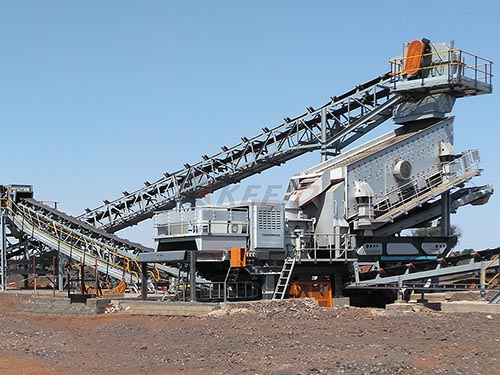
- Hydraulic Adjustment & Clearing: Hydraulic systems for adjusting CSSand clearing chamber blockages allow for quick changes without manual labor.This drastically reduces maintenance timeand enhances operator safety.
- Modular Component Design: Key wear parts may be designed as modular unitsfor easier replacement.This reduces maintenance complexityand ensures correct reassemblypreserving machine alignmentandefficiency.
- Accessibility: Ample walkwaysladdersand service platforms provide safe accessfor inspectionand routine maintenanceencouraging proactive care over reactive repairswhich extends service life.
Conclusion
The Sustainable JC5000 Jaw Crusheris far more than its basic specification sheet.It embodies an integrated approach where every technical parameter—from themassivefeed openingto theminutiaeof dust sealing—is scrutinized through alensof long-term valueandenvironmental responsibility.Its durability curtails wasteits efficiency conserves energyandits emission controls protect air qualityand community well-being.In an era where operational excellenceis intrinsically linkedwith corporate responsibilitytheJC5000stands asa benchmarkdemonstratingthatthemostpowerfulcrusherin themarketcanalsobethe most conscientiouschoicefora sustainablefuture
