
The global construction and infrastructure sectors are under increasing pressure to adopt environmentally responsible practices without compromising on efficiency or scale. In this context, the Sustainable 250-300 TPH Stone Crushing Plant emerges as a pivotal solution, representing the nexus of high-volume production and ecological stewardship. For wholesalers in the aggregate supply chain, understanding, sourcing, and promoting such plants is no longer a niche advantage but a critical business imperative. This detailed guide explores the technical composition, sustainability features, economic rationale, and market dynamics of these advanced crushing systems.
A crushing plant with a capacity of 250 to 300 Tons Per Hour (TPH) is designed for medium to large-scale aggregate production. This output is sufficient to supply major infrastructure projects—such as highways, railways, dams, and large commercial developments—with consistent volumes of high-quality aggregates (e.g., base course, sub-base, concrete aggregates, asphalt chips). The design philosophy for this capacity range emphasizes robustness, process automation, and seamless flow to minimize bottlenecks and maximize uptime.
Key Components of a Modern 250-300 TPH Plant:
A “sustainable” plant transcends mere production; it integrates environmental protection, social responsibility, and economic viability throughout its lifecycle.
1. Dust Suppression & Noise Control:
2. Water Management & Recycling:
Sustainable plants operate with minimal freshwater intake by implementing closed-loop water recycling systems for dust suppression and washing processes. Sludge from water treatment can be dewatered using filter presses; the solids can often be repurposed (e.g., for land reclamation), achieving near-zero liquid discharge.
3. Energy Efficiency & Electrification: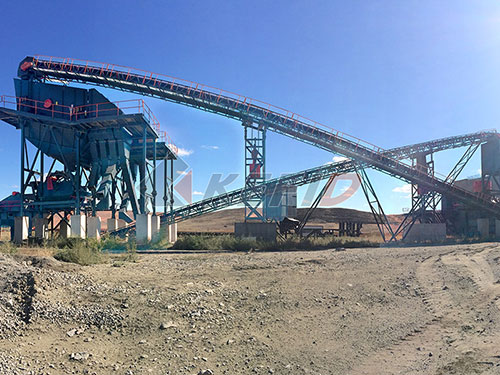
4. Resource Optimization & Circular Economy Integration:
5. Design for Longevity & Low Impact:
Sustainability includes durable design using wear-resistant materials (e.g., ceramic liners) to extend component life, modular designs that allow easy relocation to minimize land disturbance per project lifecycle.
For wholesalers dealing in heavy machinery or aggregate supply chains offering sustainable crushing plants provides a compelling competitive edge:
1. Meeting Regulatory & Market Demand: Governments worldwide are imposing stricter emissions limits noise regulations; green building certifications require sustainably sourced materials A plant that ensures compliance becomes an easier sale
2 Risk Mitigation For Clients: Clients investing in sustainable technology future-proof their operations against tightening environmental laws volatile fuel prices They also gain social license operate within communities
3 Total Cost Ownership Selling Point: While initial capex might higher than conventional setups wholesalers must emphasize ROI through:
4 Enhanced Brand Equity: By championing sustainable solutions wholesalers position themselves as forward-thinking partners aligned with global ESG goals attracting premium clients including multinational construction firms government infrastructure agencies
1 Sourcing Reliable Manufacturers:
Partner with manufacturers who hold ISO14001 environmental management certifications provide transparent data on equipment performance metrics Offer plants designed per international standards CE Mark etc
2 Customization Flexibility:
No two quarries identical Successful wholesalers offer customizable solutions—modular designs allow configuring plant layout specific feed material final product mix including capability integrate C&D waste processing line
3 After-Sales Support Sustainability:
Sustainability extends service Provide digital training remote monitoring packages ensure optimal efficient operation Supply genuine wear parts maintain efficiency Offer performance audits help clients track their carbon reduction resource savings
4 Financing Partnerships:
Collaborate financial institutions create green financing options leasing plans help clients overcome higher upfront investment barrier
The wholesale market stone crushing equipment undergoing fundamental shift Sustainable TPH plant represents sophisticated engineered system balancing productivity planetary responsibility For wholesaler it represents significant business opportunity transcend traditional equipment sales become provider holistic productivity environmental solutions By deeply understanding technological features economic benefits regulatory landscape wholesalers can effectively guide their clients—quarry operators large contractors—towards investments that ensure long-term profitability resilience while contributing positively built environment Future aggregate industry belongs those who can produce more less less energy less water less waste Sustainable TPH crushing plant cornerstone this transformative journey
Lorem ipsum dolor sit amet, consectetur adipisicing elit. Consectetur sequi saepe ut sunt eveniet perferendis excepturi, iste obcaecati. Qui tempore hic sed quia soluta obcaecati vel.