
The stone quarry crushing plant is the industrial heart of aggregate production, transforming blasted rock into the essential materials that build our world—from concrete and asphalt to railways and foundations. Sourcing the right supplier for such a critical capital investment is not merely a procurement exercise; it is a strategic decision that determines operational efficiency, product quality, long-term profitability, and environmental compliance for decades. This detailed guide explores the multifaceted process of sourcing crushing plant suppliers, examining key considerations, supplier types, evaluation criteria, and emerging industry trends.
A modern crushing plant is a complex system far beyond just crushers. It typically includes: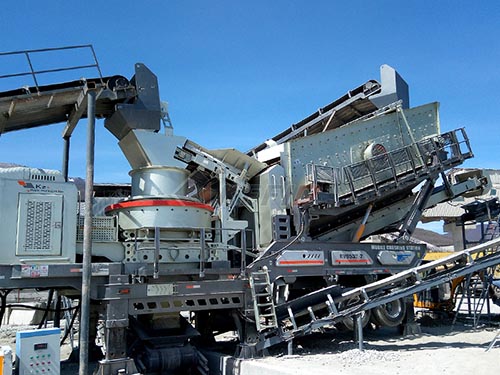
Sourcing can involve purchasing a complete stationary plant, a modular setup, or mobile/track-mounted units. The choice dictates the supplier landscape.
Suppliers generally fall into several categories, each with pros and cons:
A. Full-Line Original Equipment Manufacturers (OEMs):
These are global giants (e.g., Metso Outotec, Sandvik Mining and Rock Technology, Terex MPS, FLSmidth) who design and manufacture most core components in-house. They offer complete system integration, extensive R&D backing, global parts networks, and deep application expertise. Sourcing from them often means premium pricing but with turnkey solutions and strong lifecycle support.
B. Specialized Crusher Manufacturers:
Companies renowned for specific crusher types (e.g., Hazemag for impactors, Stedman for cage mills). A quarry might source primary crushers from one specialist, tertiary VSI from another, and screens from a third-party. This approach offers best-in-class components but places the onus of system integration largely on the buyer or a consultant.
C. Regional or Local Fabricators/Integrators:
These firms often build structural components (hoppers, conveyors) and assemble plants using OEM crushers and screens. They can offer cost advantages, localized service flexibility, and designs tailored to specific regional materials or regulations. Due diligence on their engineering capability and financial stability is crucial.
D. Suppliers of Mobile/Track-Mounted Plants:
Brands like Kleemann (Wirtz Group), Keestrack, Eagle Crusher,and McCloskey International dominate this agile sector. Sourcing here focuses on flexibility,speed of relocation,and rapid setup.They are ideal for contract crushing or multi-site operations.
Phase 1: Internal Needs Analysis & Specification Development
This foundational phase dictates everything that follows.
Phase 2: Market Research & Supplier Identification
Phase 3: Request for Proposal & Technical Evaluation
A well-crafted RFP is critical.It should demand:
Phase 4: Commercial & Lifecycle Cost Assessment
Look beyond the initial capital expenditure(CAPEX):
Phase 5: Due Diligence & Reference Checks
Visit supplier manufacturing facilitiesassess quality control processes Visit existing reference plants preferably those processing similar material Speak directlyto reference site maintenance managers about reliability support responsiveness total cost ownership
| Criterion | Key Questions |
|---|---|
| Technical Proficiency | Does design optimize yieldof high-value products? How robustis layout against bottlenecks? What simulation tools(Bruno™ etc.) were used? |
| Build Quality & Reliability | What grade bearings motors drives used? Crusher frame construction? Component standardization? |
| Operational Efficiency | Ease liner changes? Screen deck access? Conveyor maintenance walkways? Predictive maintenance features? |
| After-Sales Support Ecosystem | Parts inventory regional warehouse network? Technical hotline availability Field service team size training programs offered customer portal real-time order tracking |
| Sustainability Alignment | Dust encapsulation solutions water recycling systems noise abatement designs Energy-efficient drives potential hybrid/electric options |
The industry evolution directly impacts sourcing decisions:
Digitalization Smart PlantsSuppliers now offer advanced IoT platforms(like Metso Metrics Sandvik My Fleet) providing real-time data on production performance wear tracking energy use Remote diagnostics predictive analytics become key differentiators enabling proactive maintenance maximizing uptime
Circular Economy IntegrationForward-thinking suppliers design plants capable handling recycled concrete asphalt RAAP Increasingly sourcing criteria must consider flexibility process CD waste alongside virgin aggregate
Energy TransitionElectrification becoming priority quarries with grid access Suppliers developing fully electric stationary plants hybrid mobile units reducing diesel dependency carbon footprint Operational cost savings over lifecycle can be significant despite higher upfront investment
Modularity ScalabilityPrefabricated modular sections allow faster installation easier future expansion reconfiguration post-depletion Suppliers offering scalable designs provide long-term operational flexibility protecting investment
Sourcing stone quarry crushing plant suppliers demands rigorous disciplined strategic approach transcends simple price comparison It involves deep understanding own operational needs thorough evaluation supplier technical commercial sustainability capabilities The optimal supplier acts long-term partner contributing not just machinery but continuous improvement knowledge sharing innovation Ultimately successful sourcing yields plant that is not only productive cost-effective but also resilient adaptable to evolving market demands regulatory landscapes ensuring quarry’s competitiveness sustainability for its entire operational lifespan
Lorem ipsum dolor sit amet, consectetur adipisicing elit. Consectetur sequi saepe ut sunt eveniet perferendis excepturi, iste obcaecati. Qui tempore hic sed quia soluta obcaecati vel.