
Stone Quarry Crushing Plant: Design, Operations, and Best Practices
Introduction
A stone quarry crushing plant is a critical industrial facility that transforms extracted raw rock material into various sizes of aggregate products used in construction, infrastructure development, and manufacturing. These plants are the backbone of the construction materials supply chain, producing crushed stone for concrete, asphalt, road base, railway ballast, and other applications. The design, operation, and maintenance of a stone quarry crushing plant require a comprehensive understanding of geology, mechanical engineering, material handling, environmental regulations, and safety protocols. This article provides a detailed, professional, and objective overview of stone quarry crushing plants, covering their components, operational processes, design considerations, environmental impacts, and best practices for efficiency and sustainability.
1. Overview of a Stone Quarry Crushing Plant
A stone quarry crushing plant is a system of machinery and equipment designed to reduce large quarry rocks (typically 500–1500 mm in diameter) into smaller, marketable sizes ranging from 0–5 mm (fine sand) to 40–80 mm (coarse aggregates). The plant is usually located near the quarry face to minimize haulage costs and is often integrated with screening, washing, and stockpiling systems. The capacity of such plants varies widely, from small mobile units producing 50–100 tons per hour (tph) to large stationary installations exceeding 2000 tph.
The primary goal of a crushing plant is to achieve a desired product gradation while maximizing throughput, minimizing energy consumption, and reducing wear on equipment. The plant must also comply with local environmental standards regarding dust, noise, and water usage.
2. Key Components of a Stone Quarry Crushing Plant
A typical stone quarry crushing plant consists of several interconnected stages, each with specific equipment:
2.1. Primary Crushing Stage
The primary crusher is the first machine that receives run-of-quarry (ROQ) material. Its function is to reduce large boulders to a manageable size (typically 150–300 mm) for subsequent processing. Common primary crushers include:
2.2. Secondary and Tertiary Crushing Stages
After primary crushing, material is conveyed to secondary and tertiary crushers to achieve finer sizes. These stages often use:
2.3. Screening Equipment
Screens separate crushed material into different size fractions. Vibrating screens are the most common, with multiple decks (e.g., 2, 3, or 4 decks) to produce multiple products simultaneously. Screening efficiency directly affects product quality and plant throughput.
2.4. Conveying and Material Handling
Belt conveyors transport material between crushing stages, screens, and stockpiles. Proper conveyor design (belt width, speed, angle, and idler spacing) is critical to prevent spillage, dust generation, and material degradation.
2.5. Washing Systems (Optional)
In some applications, especially for concrete aggregates, washing is required to remove clay, silt, and other impurities. This involves log washers, screw classifiers, and hydrocyclones.
2.6. Control Systems
Modern plants use programmable logic controllers (PLCs) and supervisory control and data acquisition (SCADA) systems to monitor and automate operations. These systems optimize crusher settings, feed rates, and conveyor speeds to maintain consistent product quality.
3. Design Considerations for a Stone Quarry Crushing Plant
Designing an efficient and cost-effective crushing plant requires careful analysis of several factors:
3.1. Material Characteristics
The type of rock (e.g., granite, limestone, basalt, sandstone) determines crusher selection. Hard, abrasive rocks require high-compression crushers (jaw, cone), while softer rocks can be processed with impactors. The moisture content, clay content, and abrasiveness also influence equipment wear rates and screening efficiency.
3.2. Capacity and Product Specifications
The plant must be designed to meet the required throughput (tons per hour) and produce specific product sizes. For example, a plant producing 0–5 mm sand for asphalt may require a VSI crusher and multiple screening stages, while a plant producing 20–40 mm base course aggregate may only need primary and secondary crushing.
3.3. Layout and Flow Optimization
The plant layout should minimize material handling distances, reduce recirculation loads, and allow for easy maintenance. Common layouts include:
3.4. Environmental and Regulatory Compliance
Quarry crushing plants are subject to strict environmental regulations. Key considerations include:
3.5. Safety and Accessibility
Safety is paramount. Design must include emergency stop systems, guardrails, walkways, and adequate lighting. Crushers should have access platforms for maintenance, and lockout/tagout procedures must be enforced.
4. Operational Processes and Best Practices
4.1. Feed Control
Consistent and controlled feeding is essential for optimal crusher performance. Vibrating feeders with variable speed drives (VFDs) ensure a steady material flow, preventing overloading and reducing wear. Metal detectors and magnetic separators should be installed to remove tramp iron (e.g., drill bits, bucket teeth) that can damage crushers.
4.2. Crusher Settings and Optimization
Each crusher has adjustable parameters (e.g., closed side setting for jaw and cone crushers, rotor speed for impactors) that affect product size and shape. Regular monitoring and adjustment based on feed material and product requirements are necessary. Modern plants use automated setting adjustment systems to maintain consistent output.
4.3. Screening Efficiency
Screens must be properly sized and maintained. Factors affecting screening efficiency include screen deck angle, vibration amplitude, mesh size, and material moisture. Clogging (blinding) can be reduced by using self-cleaning screen media (e.g., polyurethane or rubber mats) and heating systems for wet materials.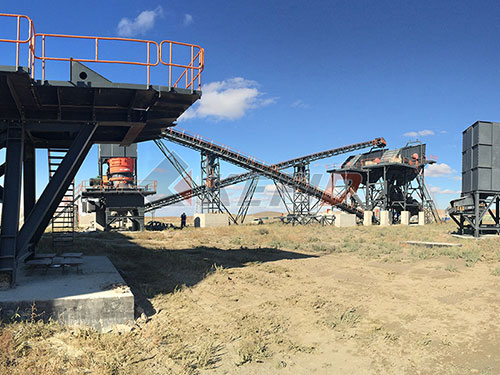
4.4. Wear Management
Crusher wear parts (liners, jaws, mantles, blow bars) are a major operating cost. Implementing a preventive maintenance schedule, using wear-resistant materials (e.g., manganese steel, chrome alloys), and monitoring wear patterns can extend part life. Some plants use online wear monitoring systems to predict replacement intervals.
4.5. Energy Efficiency
Crushing is energy-intensive, often accounting for 30–50% of total plant operating costs. Energy-saving measures include:
5. Environmental Impact and Mitigation
Stone quarry crushing plants can have significant environmental impacts if not properly managed. The primary concerns are:
5.1. Air Quality
Dust emissions from crushing, screening, and material handling are a major issue. Fine particulate matter (PM10 and PM2.5) can affect respiratory health and visibility. Mitigation measures include:
5.2. Noise Pollution
Crushing operations generate high noise levels (often above 90 dB). Noise can be reduced by:
5.3. Water Usage and Contamination
Washing systems consume large volumes of water. To minimize environmental impact, plants should:
5.4. Visual and Land Use Impacts
Quarries and crushing plants can be visually intrusive. Landscaping, tree planting, and proper site rehabilitation after closure can mitigate these effects.
6. Technological Advancements
The stone quarry crushing industry is evolving with new technologies aimed at improving efficiency, safety, and sustainability:
7. Economic Considerations
The capital cost of a stone quarry crushing plant varies widely based on capacity, complexity, and location. A small mobile plant (100 tph) may cost $500,000–$1 million, while a large stationary plant (2000 tph) can exceed $20 million. Operating costs include energy, labor, wear parts, maintenance, and environmental compliance. The profitability of a plant depends on:
8. Conclusion
A stone quarry crushing plant is a complex, capital-intensive facility that plays a vital role in the construction industry. Successful operation requires a holistic approach that integrates geology, engineering, environmental stewardship, and safety management. By carefully selecting equipment, optimizing processes, and adopting modern technologies, quarry operators can achieve high productivity, consistent product quality, and compliance with environmental regulations. As the demand for sustainable construction materials grows, the industry will continue to innovate, focusing on energy efficiency, waste reduction, and automation. For any quarry operation, investing in a well-designed and well-maintained crushing plant is not just a business decision—it is a commitment to long-term operational excellence and environmental responsibility.
If you have any questions about our products, please feel free to contact us. We take all inquiries and suggestions very seriously.