
The establishment of a stone quarry crushing plant is a capital-intensive endeavor fundamental to the construction, infrastructure, and manufacturing sectors. Its price is not a single figure but a complex amalgamation of capital expenditure (CAPEX), operational variables, and long-term financial considerations. Understanding this cost structure is crucial for investors, project managers, and industry analysts to ensure feasibility, competitiveness, and profitability. This article provides a detailed, objective analysis of the factors influencing stone quarry crushing plant prices.
The initial purchase price forms the foundation of the investment. This CAPEX is dictated by the plant’s scale, technology level, and source of equipment.
A. Plant Scale & Capacity:
Capacity, measured in tons per hour (TPH), is the primary cost driver. A small-scale mobile plant for 50-100 TPH will cost significantly less than a 500+ TPH stationary mega-plant supplying major infrastructure projects. Prices can range from $100,000 to $500,000+ for small-to-mid mobile units and soar to $2 million to $10 million+ for large-scale, fixed installations with full automation and ancillary systems.
B. Equipment Selection & Technology:
C. Source & Branding: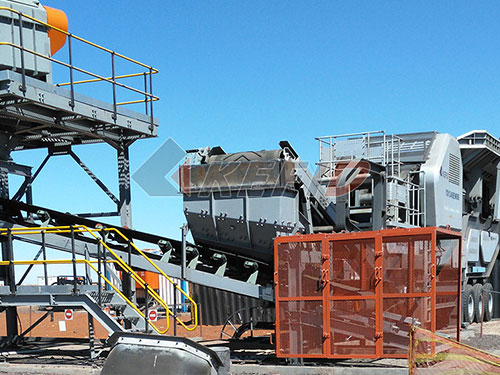
Ignoring these factors leads to severe budget overruns.
A. Site Preparation & Infrastructure:
This includes land clearing, grading, foundation construction for stationary plants, access roads, drainage systems, and utility hookups (electrical substations being a major cost). For remote sites, this can rival or exceed equipment costs.
B; Logistics & Installation:
Transporting heavy machinery involves specialized trailers and permits. Installation requires skilled technicians—often provided by the supplier at an additional fee—for assembly, alignment, and commissioning.
C; Permitting & Regulatory Compliance:
Securing permits for mining/quarrying operations involves environmental impact assessments (EIA), air quality permits for dust control water management plans blast permits etc These are not equipment costs but are mandatory pre-operational expenses often running into tens or hundreds of thousands of dollars
The true price of a crushing plant is its Total Cost of Ownership TCO over its lifespan OPEX directly impacts return on investment ROI
A Wear Parts & Maintenance
Abrasive rock types granite basalt rapidly wear crusher liners mantles jaws screen meshes conveyor belts Regular replacement is the largest recurring OPEX High chromium alloys or ceramic inserts offer longer life at higher upfront part cost Predictive maintenance via sensor technology reduces downtime costs
B Energy Consumption
Crushing is energy intensive Electricity costs can account for over 40% of OPEX Efficient motors variable frequency drives VFDs optimal cavity designs in cone crushers significantly reduce power draw per ton processed
C Labor
Automated plants require fewer operators reducing long term salary liabilities Skilled maintenance personnel however are critical Investment in training reduces costly operational errors
D Downtime Costs
Unplanned stoppages are devastating Reliability engineering component redundancy easy access for maintenance design all contribute to higher initial CAPEX but dramatically lower lifetime cost through increased availability
A prudent investor evaluates price through financial models
The price tag on a stone quarry crushing plant is merely an entry point Its true economic evaluation demands holistic analysis A cheaper plant with high wear part consumption low energy efficiency frequent downtime will have a far higher lifetime cost than a more expensive technologically advanced reliable model Therefore strategic procurement focuses not on minimizing initial capital outlay but on optimizing the total cost per ton over the plants operational lifecycle Key decisions involve balancing capacity needs with flexibility rock characteristics with crusher selection regulatory environment with control systems Ultimately investing in detailed feasibility studies professional engineering design quality components robust maintenance protocols proves most economical ensuring that this critical industrial asset delivers sustainable profitability throughout its service years
Lorem ipsum dolor sit amet, consectetur adipisicing elit. Consectetur sequi saepe ut sunt eveniet perferendis excepturi, iste obcaecati. Qui tempore hic sed quia soluta obcaecati vel.