
The foundation of modern infrastructure—from the concrete in our skyscrapers to the asphalt on our highways—begins in a stone quarry. At the heart of this primary extraction industry lies the crushing plant, a complex assembly of machinery designed to reduce large rocks into specified aggregate sizes. For quarry operators and mining companies, the decision to invest in a new or upgraded crushing plant is one of the most significant capital expenditures. In this context, the term “OEM Factory Price” becomes a critical focal point. However, understanding this price requires a deep dive beyond a simple number; it involves an appreciation of the technology, engineering, and long-term value proposition offered by an Original Equipment Manufacturer (OEM).
A crushing plant is not a single machine but an integrated system designed for maximum efficiency and productivity. Its core components work in a coordinated sequence: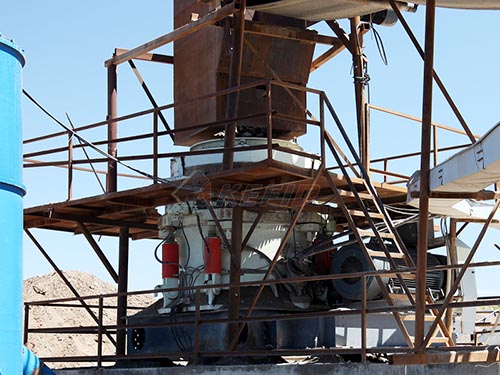
Primary Crusher: This is the first point of contact with the extracted rock (shot rock). Jaw crushers are the most common type, using immense compressive force to break down large boulders. Gyratory crushers are used for very high-capacity primary crushing applications. The choice here depends on the rock’s abrasiveness, hardness, and the required feed size.
Secondary Crusher: After primary crushing, the material is further reduced in size. Cone crushers are predominantly used in this stage. They are perfect for hard and abrasive materials, operating by squeezing rock between a rotating mantle and a stationary concave liner. Impact crushers are an alternative for softer, less abrasive stone, using high-speed impact to fracture the material.
Tertiary and Quaternary Crushers: For producing precisely shaped aggregates (e.g., for asphalt or high-spec concrete) or very fine materials, additional crushing stages may be employed. These stages often use cone crushers or Vertical Shaft Impact (VSI) crushers, which are excellent for shaping and producing manufactured sand.
Screening Equipment: Vibrating screens are used throughout the process to separate crushed material into different size fractions. Oversized material is sent back to the appropriate crusher (a process known as closed-circuit crushing), while correctly sized product is routed to stockpiles.
Conveyors: A network of belt conveyors acts as the circulatory system of the plant, transporting material between crushers, screens, and stockpiles efficiently and with minimal manual handling.
Feeders and Hoppers: These components regulate the flow of material into the crushers, ensuring a consistent and choked feed that optimizes crusher performance and wear life.
Dust Suppression System: A critical environmental and health component, this system uses water sprays or chemical suppressants to control airborne dust generated during crushing and screening.
When an OEM quotes a “factory price,” it refers to the direct cost of manufacturing and supplying the crushing plant from their production facility before any markups from intermediaries like dealers or distributors are applied. This price is typically broken down into several key elements:
Factors Influencing OEM Factory Price:
While price is undeniably important,the true value lies in what that price encompasses beyond mere hardware.The long-term Total Cost of Ownership(TCO)is often more critical than initial purchase price.An established OEM provides:
2.Wear & Spare Parts Commonality:
Using an integrated system from one OEM ensures that spare parts—from conveyor idlers to crusher liners—are designed to work together.This simplifies inventory management reduces procurement complexity,and guarantees compatibility which prevents premature wear or damage
3.Technical Support & Training:
A factory-direct relationship grants access direct technical expertise.OEM engineers understand their equipment intimately.They can provide crucial support during commissioning troubleshoot complex issues remotely or onsite,and offer comprehensive operator training programs.This knowledge transfer maximizes plant productivity extends equipment life
4.Optimized Performance & Efficiency:
An OEM designs its entire circuit as unified system ensuring each component complements others properly sized conveyor feeds correctly configured screen meshes matched crusher settings all contribute seamless efficient operation maximizing energy efficiency per ton produced reducing operational expenses over time
5.Warranty & Service Agreements:
Genuine OEM warranties backed manufacturer’s guarantee quality Furthermore long-term service contracts provide predictable maintenance costs access original spare parts scheduled inspections prevent catastrophic failures
For quarry owner evaluating proposal must look beyond bottom line Consider following strategic questions:
Stone quarry crushing represents significant long term investment cornerstone operation While allure low initial price tempting crucial recognize true cost ownership extends far beyond invoice figure delivered factory gate Choosing established Original Equipment Manufacturer might involve higher upfront capital outlay but investment pays dividends through superior reliability optimized performance readily available technical support genuine spare parts Ultimately decision comes down philosophy Are buying cheapest possible equipment short term gain Or investing robust efficient production system will deliver lowest cost per ton over its entire operational lifespan In highly competitive aggregates industry where margins tight productivity paramount latter approach strategic choice ensures sustainable profitable future
Lorem ipsum dolor sit amet, consectetur adipisicing elit. Consectetur sequi saepe ut sunt eveniet perferendis excepturi, iste obcaecati. Qui tempore hic sed quia soluta obcaecati vel.