Stone Quarry Crushing Plant Manufacturers: The Architects of Aggregate Production
The global construction and infrastructure sectors are fundamentally built upon a simple, essential material: aggregate. Derived from crushing large rocks extracted from quarries, this aggregate forms the backbone of concrete, asphalt, road bases, and railway ballast. At the heart of transforming raw, blasted stone into precisely graded, usable products lies the crushing plant. Stone quarry crushing plant manufacturers are therefore not merely equipment suppliers; they are pivotal industrial partners and system integrators whose expertise directly dictates the productivity, efficiency, and profitability of mining and quarrying operations worldwide. This article delves into the multifaceted role of these manufacturers, exploring their technological offerings, key industry players, selection criteria for quarry operators, and prevailing market trends.
The Core Mission: From Rock to Regulated Spec
The primary objective of a crushing plant is to reduce the size of quarried rock through a series of mechanical processes to meet specific gradation (size distribution), shape (cubicity), and cleanliness specifications. A manufacturer’s role is to design a system that accomplishes this efficiently, reliably, and sustainably. A modern stationary or semi-mobile crushing plant is a complex circuit typically comprising several stages:
- Primary Crushing: This first stage handles the largest feed material directly from the quarry face. Manufacturers equip this stage with robust machines like jaw crushers or gyratory crushers, designed for high capacity and breaking massive rocks.
- Secondary Crushing: Further reduction occurs here using cone crushers or impact crushers. Cone crushers are preferred for hard, abrasive stone to produce well-shaped aggregate, while impactors excel at softer rock and can offer excellent shape correction.
- Tertiary/Quaternary Crushing: For producing finer aggregates like sand or chippings with precise shapes, additional stages with cone crushers or specialized vertical shaft impactors (VSIs) are employed. VSIs are crucial for manufactured sand (M-Sand) production.
- Screening: Integral to every stage are vibrating screens that separate crushed material by size. Oversize material is recirculated back to crushers (“closed-circuit” operation), while correctly sized product is sent to stockpiles.
- Material Handling: Conveyors are the arteries of the plant, connecting all components—from feed hoppers and crushers to screens and stockpile stackers.
Manufacturers must engineer these components into a cohesive system that optimizes flow, minimizes bottlenecks, and ensures consistent product quality.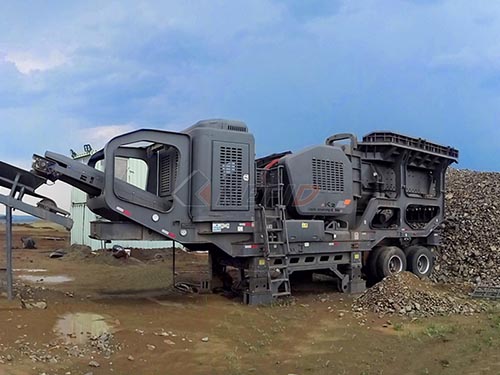
Leading Manufacturers: A Global Landscape
The market for crushing plants is dominated by several multinational corporations with extensive R&D capabilities and global service networks.
- Metso Outotec (Now Metso) & Sandvik Rock Processing Solutions: These Nordic giants represent the pinnacle of the industry. They offer comprehensive solutions ranging from individual crushers to fully automated stationary plants (like Metso’s FIT™ stations) and highly mobile track-mounted plants (like Sandvik’s QI/UE series). Their focus is on advanced automation (Metso’s IC™ series, Sandvik’s Automine®), energy efficiency through technologies like hydraulic setting adjustment (HP cone crushers), and remote monitoring.
- Terex MPS (Cedarapids) & Terex Finlay: Part of Terex Corporation, these brands cater strongly to North American markets but have significant global reach. Terex MPS is known for rugged stationary modular plants under the Cedarapids name (like the MVP cone crusher series), while Terex Finlay specializes in mobile tracked equipment renowned for versatility in contracting applications.
- FLSmidth: A key player in providing large-scale systems for major mining operations but also robust solutions for aggregate quarries.
- Eagle Crusher & Lippmann-Milwaukee: Prominent US-based manufacturers specializing in heavy-duty jaw crushers (Lippmann) as well as comprehensive portable crushing circuits built around horizontal shaft impactors (Eagle). They emphasize durability for tough North American conditions.
- Chinese Manufacturers: Companies like SBM Shanghai Shibang Machinery Co., Ltd., Liming Heavy Industry Science & Technology Co., Ltd., and Zhejiang MP Mining Equipment Corp., Ltd., have grown substantially over recent decades by offering cost-competitive alternatives without compromising on core functionality.
Beyond Hardware: The Value-Added Services
Today’s leading manufacturers differentiate themselves through holistic service packages:
- Plant Design & Simulation Software: Using tools like Bruno™ simulation software or proprietary CAD systems, engineers model entire crushing circuits before fabrication begins—optimizing layout predicting output gradations ensuring energy consumption targets can be met before any steel is cut
- Automation & Digitalization: Modern plants incorporate programmable logic controllers PLCs human-machine interfaces HMIs sophisticated sensor networks These systems enable automatic setting adjustments wear monitoring performance tracking remote diagnostics maximizing uptime throughput
- Wear Parts & Service Support: Providing high-quality durable wear parts mantles concaves jaw liners blow bars manufactured from proprietary alloys is critical Equally important establishing responsive global supply chains maintenance teams ensure minimal downtime during scheduled unplanned stoppages
- Sustainability Solutions: Environmental regulations drive innovation Manufacturers now design plants with superior dust suppression systems enclosing conveyors installing sound dampening materials on equipment developing electric hybrid drives reducing carbon footprint operations
Selecting a Manufacturer: Key Considerations for Quarry Operators
Choosing right partner involves careful evaluation beyond initial capital expenditure CAPEX:
- Rock Characteristics & Desired Products: The geology paramount Abrasive granite requires different circuit than softer limestone producing concrete sand versus railroad ballast demands different machine selections Manufacturer must demonstrate deep understanding specific application
- Capacity Requirements & Scalability: Plant must be sized handle current future production needs Modular designs allow phased expansion adding tertiary stage later example offers significant advantage
- Total Cost Ownership TCO vs Initial Price: While upfront cost important savvy operators evaluate long-term expenses including energy consumption wear part life expected maintenance costs reliability record manufacturer High-quality components often yield lower cost per ton produced over lifespan equipment
- **After-Sales Support Availability Parts Network Proximity technical support speed parts delivery can make break operation’s profitability especially remote locations
- **Technology Future-Proofing Does manufacturer offer connectivity Industry Internet Things IIoT platforms facilitate predictive maintenance data-driven decision making Can plant upgraded easily accommodate new technologies regulatory changes
Market Trends Shaping Manufacturing Priorities
Several powerful trends currently influencing design philosophy offerings stone quarry crushing plant manufacturers:
- Mobility Flexibility Rise Track-Mounted Portable Plants Growing demand temporary sites urban environments where relocation frequent has fueled popularity self-propelled track-mounted units These complete plants can moved between sites relatively quickly offering contractors quarries operational flexibility
- Emphasis Energy Efficiency Electrification Crusher motors among largest power consumers site Innovations like high-efficiency drives variable speed controls significant reducing electricity bills Furthermore push towards electrification using grid power electric hybrid drives instead diesel generators gaining traction helps lower emissions operational noise
- Automation Remote Operation Trend towards fully automated plants continues accelerate Systems now capable adjusting crusher settings real-time based feed conditions optimizing performance minimizing human intervention Remote monitoring centers allow single technician oversee multiple sites diagnosing issues coordinating maintenance preemptively dramatically increasing overall equipment effectiveness OEE
- Circular Economy Resource Optimization With natural sand deposits depleting manufactured sand becoming increasingly vital Manufacturers responding advanced VSI crusher air classification systems produce high-quality consistent M-Sand concrete asphalt Additionally recycling construction demolition waste C&D requires specialized crushing screening plants creating new market segment focused urban mining sustainability
Conclusion
Stone quarry crushing plant manufacturers serve as indispensable engineering partners within aggregate supply chain Their work transcends simple machinery supply encompassing sophisticated process design digital integration lifecycle support Through continuous innovation automation sustainability they enable extractive industries meet world’s insatiable demand building materials responsibly efficiently As challenges related resource optimization environmental stewardship grow complexity these manufacturers’ role designing intelligent connected efficient systems will only become more central shaping future construction landscape globally
