
In the global construction and infrastructure development sector, the stone quarry crushing plant is the indispensable heart of aggregate production. The quest for a reliable stone quarry crushing plant maker offering the best price is a critical, multi-faceted decision that balances capital expenditure, operational efficiency, and long-term profitability. This article provides a professional and objective analysis of the market landscape, key selection criteria, cost factors, and strategic approaches to securing optimal value.
A stone quarry crushing plant maker is more than just an equipment manufacturer. It is an engineering partner responsible for designing, fabricating, and often commissioning a complete system that transforms blasted raw feed (run-of-quarry rock) into precisely sized aggregates (e.g., base course, chips, sand). The system typically includes:
The maker’s expertise lies in selecting and integrating these components into a cohesive, efficient flow sheet tailored to the specific rock characteristics (abrasiveness, hardness, silica content), required product gradations, and target production capacity.
The market for crushing plant makers is diverse, segmented into global giants and strong regional specialists. Understanding this hierarchy is crucial for price evaluation.
1. Tier 1: Global Full-Line Manufacturers
These are multinational corporations offering comprehensive portfolios under well-established brands (e.g., Metso Outotec, Sandvik Mining and Rock Technology, Terex MPS). They provide end-to-end solutions from a single source.
2. Tier 2: Major Specialists & Aggressive Global Competitors
This tier includes companies renowned for specific crusher types or highly competitive full-line offerings (e.g., Kleemann (Wirtz Group), Eagle Crusher, Lippmann-Milwaukee). Chinese manufacturers like SBM (Shibang Industry & Technology Group) and Liming Heavy Industry also compete strongly here.
3. Tier 3: Regional Fabricators and Portable Plant Specialists
These are often smaller companies that design plants using a mix of self-fabricated structures and sourced major components (crushers, screens) from other manufacturers. They may also specialize in highly mobile track-mounted plants.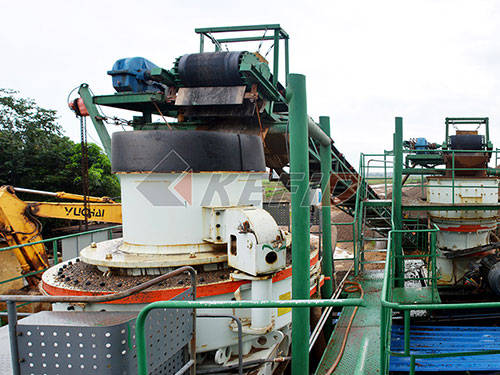
The fundamental mistake in procurement is conflating the lowest initial price with the best price. The truly “best price” is achieved by minimizing the Total Cost of Ownership (TCO) over the plant’s operational life (typically 15-25 years).
TCO = Initial Purchase Price + Installation & Commissioning + Operating Costs + Maintenance & Repair Costs + Downtime Costs – Residual Value
1. Initial Purchase Price Factors:
2. Critical Hidden Cost Drivers:
Define Requirements Precisely:
Conduct Lifecycle Cost Analysis:
Evaluate Beyond Brochures:
Negotiate Comprehensively:
5 Consider Hybrid Approaches:
For large complex projects consider engaging an independent engineering firm to design the flow sheet then tender major components separately engaging a local fabricator for structural work This can optimize price but requires strong project management
Selecting a stone quarry crushing plant maker at the best price is an exercise in strategic value engineering There will always be tension between low initial capital outlay TCO minimization For long-life high-production quarries investing in robust efficient technology from reputable maker—even at higher upfront cost—almost invariably yields lower TCO better return on investment Conversely for short-term projects specific low-volume applications simpler competitive solution may be optimal Ultimately due diligence must focus on quantifiable lifecycle metrics not just invoice figures The most successful aggregate producers partner with makers who demonstrate not only engineering excellence but also commitment to supporting operational success through entire lifecycle thereby delivering true best price defined by maximum profitability per ton of quality aggregate produced
Lorem ipsum dolor sit amet, consectetur adipisicing elit. Consectetur sequi saepe ut sunt eveniet perferendis excepturi, iste obcaecati. Qui tempore hic sed quia soluta obcaecati vel.