Stone Quarry Crushing Plant Fabricator Datasheet: A Comprehensive Technical Overview
1. Introduction: The Role of the Fabricator in Aggregate Production
A Stone Quarry Crushing Plant Fabricator is a specialized engineering and manufacturing entity responsible for the design, fabrication, supply, erection, and commissioning of complete fixed, semi-mobile, or mobile crushing and screening plants. These plants are the industrial heart of aggregate production, transforming blasted raw rock (e.g., limestone, granite, basalt) into precisely graded aggregates (e.g., crushed stone, sand, gravel) essential for construction, road building, and concrete production. The fabricator’s role transcends mere equipment supply; it involves providing a tailored, integrated material processing system that optimizes yield, product quality, operational efficiency, and return on investment for the quarry operator. This datasheet provides a detailed technical and operational profile of a professional crushing plant fabricator.
2. Core Competencies and Engineering Services
A reputable fabricator possesses a multidisciplinary skill set:
- Process Design & Flow Sheet Development: Engineers analyze the raw material characteristics (abrasion index, compressive strength, silica content), required final product specifications (size gradations, shape), and desired production capacity (tons per hour) to create an optimal process flow diagram. This dictates the selection and arrangement of all machinery.
- Mechanical & Structural Design: Utilizing CAD (Computer-Aided Design) and FEA (Finite Element Analysis) software, teams design robust plant layouts, heavy-duty support structures, conveyor galleries, feed hoppers, chutes, and maintenance platforms capable of withstanding dynamic loads, vibration, and harsh environmental conditions.
- Electrical & Control Systems Engineering: This includes designing power distribution networks for high-horsepower motors (crushers, screens), developing advanced PLC (Programmable Logic Controller)-based automation systems for sequential start-up/shutdown and interlocking safety controls. Modern fabricators integrate SCADA (Supervisory Control and Data Acquisition) systems for remote monitoring and data analytics.
- Project Management: Fabricators oversee the entire project lifecycle—from initial concept and detailed engineering to procurement logistics on-site erection supervision commissioning performance testing operator training handover
3. Key Fabrication Components & Equipment Portfolio
The fabricator typically sources core processing machinery from OEMs Original Equipment Manufacturers but is responsible for integrating them into a cohesive system through custom-fabricated components:
- Primary Crushing Station: Designed around primary crushers jaw crushers or gyratory crushers Fabricators build massive heavy-duty steel structures to support these units including vibratory grizzly feeders to remove fines scalp oversize material before crushing
- Conveying Systems: A critical in-house fabrication specialty This includes designing manufacturing troughed belt conveyors with appropriate idler spacing belt width speed capacity Custom-designed transfer chutes are crucial to minimize material impact wear dust generation ensuring smooth flow between process stages
- Screening Towers: Multi-deck vibrating screens scalping sizing are mounted within complex structural towers fabricated from steel sections Platforms walkways access ladders dust enclosures are integral parts fabricated for safe operation maintenance
- Secondary Tertiary Crushing Stations: These stations featuring cone crushers impact crushers require precise alignment robust foundations Feed bins surge tunnels are fabricated to ensure consistent choke-fed or cascade-fed operation critical for product shape control
- Dust Suppression Control Systems: Fabricators design install water spray systems at key transfer points dust collection systems baghouses cyclones to meet environmental regulations protect worker health
- Electrical Control Rooms: Pre-fabricated insulated climate-controlled containers housing switchgear PLC panels SCADA workstations are often supplied as turnkey modules
4. Manufacturing Capabilities Quality Assurance
A fabricator’s workshop is equipped for heavy industrial manufacturing:
- Steel Processing: CNC Computer Numerical Control plasma oxy-fuel cutting machines for precise component profiling Plate rolling bending machines for chutes hoppers Structural steel saws drills
- Welding Fabrication: Extensive use of submerged arc welding SAW for long seams on conveyor parts shielded metal arc welding SMAW gas metal arc welding GMAW for structural assemblies Certified welders procedures following AWS ASME standards are mandatory
- Surface Treatment Shot Blasting Painting: Components are shot-blasted to Sa 2½ cleanliness standard before application of high-performance epoxy zinc-rich primer polyurethane topcoat systems specified corrosion protection longevity
- Quality Management System QMS: Adherence to ISO 9001 is standard Inspection test plans ITPs include material certification dimensional checks weld NDT non-destructive testing like ultrasonic magnetic particle final assembly inspection Factory Acceptance Testing FAT of electrical control systems is conducted before shipment
5. Plant Configurations Modular Designs
Modern fabricators emphasize flexibility:
- Fixed Plants: Permanent installations on concrete foundations designed for long-life high-volume quarries Maximum efficiency stability
- Semi-Mobile Skid-Mounted Plants: Major crusher modules are mounted on heavy-duty skids allowing relocation within the quarry pit using transport crawlers reducing truck haulage distance increasing efficiency over time
- Modular Plug-and-Play Plants: Pre-assembled sections conveyors screens electricals are containerized or frame-mounted Minimize on-site erection time reduce cost ideal for remote locations or projects with tight schedules
6. Technical Specifications Datasheet Parameters
When evaluating a fabricator their proposal will detail:
| Parameter |
Description |
| Design Capacity |
Throughput tph tonnes per hour based on specific material density crushability |
| Feed Material Size |
Maximum lump size mm inches the plant can accept |
| Final Product Range |
Number of products specifiable gradations e.g., 0-5mm 5-10mm 10-20mm Base course |
| Power Requirement |
Total connected load kW voltage level 400V 6.6kV etc |
| Plant Footprint |
Overall dimensions L x W x H accounting for operational clearance |
| Key Equipment List |
Makes models of proposed crushers screens feeders filters |
| Automation Level |
Manual semi-automatic fully automatic with remote monitoring capabilities |
| *Dust Emission Level*** |
Guaranteed particulate matter concentration mg/Nm³ at outlet |
| *Noise Emission Level*** |
Sound power pressure levels dB(A) at specified distances |
**Subject to local environmental regulations
7. Selection Criteria for Quarry Operators
Choosing the right fabricator involves assessing:
- Technical Expertise References: Proven experience with similar rock types capacity requirements Review case studies visit existing installations.
- Financial Stability: Ability to execute large-scale projects manage supply chain risks provide warranty support long-term.
- Total Cost of Ownership TCO Focus beyond initial capital expenditure CAPEX Evaluate design efficiency energy consumption predicted wear part costs maintenance accessibility impacting operational expenditure OPEX.
- After-Sales Service Support Availability spare parts technical documentation field service engineers training programs.
8. Industry Trends Future Outlook
Leading fabricators are innovating in: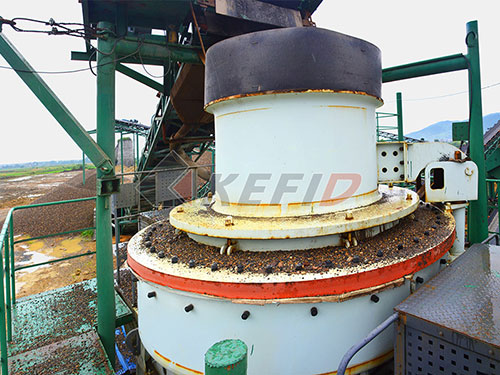
- Digitalization IoT: Integrating smart sensors on bearings conveyors crushers for real-time condition monitoring predictive maintenance preventing unplanned downtime.
- Energy Efficiency: Designing plants with regenerative drives energy-efficient motors variable frequency drives VFDs optimizing power consumption per ton produced.
- Sustainability Circular Economy: Designing plants capable of processing recycled construction demolition CD waste alongside virgin rock Supporting zero-waste operations where quarry fines by-products find applications.
- Autonomous Operation: Implementing AI-based algorithms optimize crusher settings screen configurations real-time based feed material variation maximizing yield product quality automatically.
9 Conclusion
The Stone Quarry Crushing Plant Fabricator is a pivotal partner in the aggregates industry transforming raw geological resources into essential building materials Through comprehensive engineering robust fabrication stringent quality control deep process knowledge they deliver not just machinery but complete productive assets The evolution towards more modular intelligent sustainable plants underscores the fabricator’s role as an innovator directly contributing to safer more efficient environmentally responsible aggregate production The selection of a competent experienced fabricator is therefore one of the most strategic decisions a quarry owner can make determining the site’s profitability longevity compliance operational excellence
