
The establishment of a stone quarry crushing plant is a capital-intensive and technically complex endeavor, pivotal to the supply chain of construction, road building, and infrastructure projects. A well-structured quotation for its assembly is not merely a price list but a comprehensive technical and commercial proposal that defines the project’s scope, performance guarantees, and long-term viability. This detailed article explores the multifaceted components of a professional crushing plant assembly quotation, providing insights for both buyers and suppliers in the aggregates industry.
A professional quotation begins with a clear Executive Summary, outlining the supplier’s understanding of the client’s needs. This includes:
Crucially, this section must be followed by a detailed Scope of Supply (SOS) and Exclusions list. The SOS typically includes:
Exclusions often cover client-provided items like:
This is the heart of the quotation. It demonstrates technical competency.
A. Crushing Circuit Design:
The quote should detail the proposed flow chart: “Run-of-Mine (ROM) material → Vibrating Grizzly Feeder → Jaw Crusher (Primary) → Cone Crusher (Secondary) → Vibrating Screen → Tertiary Cone Crusher (for cubical shape) → Final Screening → Product Stockpiles.” Each stage must be justified based on feed material analysis (abrasion index, compressive strength, silica content) and desired product gradation.
B. Equipment Selection Rationale:
Each major machine should be specified with model, capacity rating at stated settings, power rating (kW), key dimensions, and brand/manufacturer origin. For example: “Primary Crusher: C125 Jaw Crusher [370 kW], Feed Opening 1250mm x 950mm.” The rationale for choosing specific brands or technologies (e.g., hydroset cone crushers for easy setting adjustment) adds credibility.
C. Layout & Infrastructure:
A general arrangement drawing should be included or referenced. The quote must address:
D. Performance Guarantees:
A credible supplier will offer contractual guarantees subject to agreed feed material:
Transparency here builds trust.
A. Detailed Price Schedule:
Itemized costs for:
B. Clearly stated Payment Terms, typically progressive: e.g., “30% advance payment upon order confirmation; 30% upon dispatch from factory; 30% upon arrival at site; 10% after successful Performance Test Run.”
C. Validity period of the quotation (Validity Period)—usually 60-90 days due to raw material price volatility in steel-intensive machinery.
The assembly phase transforms equipment into an operational plant.
Erection Services: The quote should specify if it’s supervisory (“erection supervision by our engineers”) or full labor provision (“we provide skilled fitters”). It defines mobilization/demobilization costs for personnel.
Commissioning Protocol: This includes mechanical alignment checks no-load run testing sequential start-up/stop procedures load testing over several days culminating in the formal Performance Guarantee Test Run
Training Programs: Detailed syllabus for plant operators maintenance staff covering safety daily checks basic troubleshooting wear part change-out procedures
Professional quotations include comprehensive documentation lists:
1 General Arrangement Layout Drawings
2 Foundation Load Drawings Anchor Bolt Plans
3 Electrical Single Line Diagrams Control Philosophy
4 Detailed Operation Maintenance Manuals Parts Books
6 Certificates CE ISO etc Material Test Certificates
Warranty Period Typically months covering manufacturing defects but excluding normal wear parts like crusher liners screen cloths
After-Sales Support Structure Availability of local service engineers remote diagnostic support guaranteed spare parts supply lead times Service Level Agreements SLAs
Understanding these helps evaluate quotes fairly:
Plant Capacity Complexity A simple single-stage tph limestone plant differs vastly from a multi-stage tph hard abrasive granite plant requiring more robust higher-wear machinery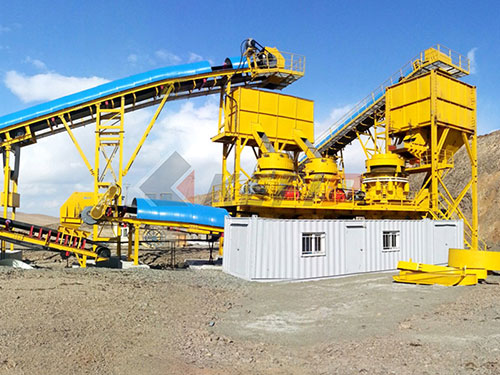
Automation Level Basic push-button control versus fully automated PLC systems with remote monitoring significantly impacts cost
Environmental Regulations Stricter dust noise controls mandate more expensive enclosure baghouse systems adding substantial cost
Logistics Location Remote sites difficult terrain increase transport erection costs dramatically
Brand Value Premium European North American brands command higher prices than emerging market suppliers though total lifecycle cost analysis is crucial
Conclusion Obtaining a competitive technically sound quotation for stone quarry crushing plant assembly requires meticulous attention beyond just bottom-line price It is collaborative document defining project roadmap technical solution commercial framework long-term partnership between client supplier Thorough evaluation technical merits commercial terms after-sales commitment ensures investment delivers required return investment through reliable efficient production high-quality aggregates years come Always insist detailed professional quote forms solid foundation successful quarry operation
Lorem ipsum dolor sit amet, consectetur adipisicing elit. Consectetur sequi saepe ut sunt eveniet perferendis excepturi, iste obcaecati. Qui tempore hic sed quia soluta obcaecati vel.