A Comprehensive Analysis of Stone Quarry Crushing Plant Assembly and the Nuances of Equipment Discounts
The establishment of a stone quarry crushing plant represents a significant capital investment and a long-term strategic decision for any aggregate producer. The process involves meticulous planning, engineering precision, and a substantial financial outlay. Within this context, the terms “assembly plant” and “discount” are often encountered, yet they encompass complex realities that merit a thorough examination. This article provides a detailed, professional overview of the assembly process for a modern crushing plant and offers an objective analysis of what “discounts” truly entail in this high-value industrial sector.
Part 1: The Intricate Process of Crushing Plant Assembly
A crushing plant is not a single machine but an integrated system of components designed to reduce large rocks into specified aggregate sizes. The assembly is a multi-stage project that extends far beyond simply bolting machines together.
1. Pre-Assembly Planning and Design
Before any physical assembly begins, extensive planning is critical. This phase includes:
- Site Survey and Geotechnical Analysis: Understanding the terrain, soil bearing capacity, and overall layout is essential for designing stable foundations and an efficient material flow.
- Process Flow Sheet Development: Engineers create a detailed diagram outlining the entire process from raw feed to final product stockpiling. This determines the sequence of equipment: primary crusher, secondary crusher, tertiary crushers, screens, and conveyors.
- Equipment Selection: Choosing the right machinery is paramount. Factors include the type of rock (e.g., granite, limestone, basalt), its abrasiveness, required production capacity (tons per hour), and the final product specifications (e.g., base course, asphalt chips, manufactured sand).
- Civil Engineering and Foundation Design: Robust concrete foundations are designed to withstand the immense vibrations and dynamic loads generated by crushers and screens. This work often begins on-site long before the major equipment arrives.
2. The Staged Assembly Process
The actual assembly is a carefully choreographed operation typically managed by specialized project managers and technicians, often provided by the original equipment manufacturer (OEM).
- Stage 1: Primary Station Setup. This involves placing the heaviest component—the primary crusher (usually a jaw crusher or gyratory crusher). It is positioned at the quarry face or a central location where large dump trucks can discharge raw material. Its foundation is the most critical and heavily reinforced.
- Stage 2: Erection of Conveyor Systems. Conveyors are the arteries of the plant. Their trusses, idlers, pulleys, and belts are assembled to create a continuous flow of material from one processing stage to the next. Proper alignment and tensioning are crucial to prevent wear and mistracking.
- Stage 3: Secondary and Tertiary Crushing Circuits. Downstream from the primary crusher, secondary crushers (like cone crushers or impact crushers) are installed to further reduce the material. These are often mounted on steel structures or chassis to allow for some flexibility. Tertiary crushers for final shaping or sand making are integrated at this stage.
- Stage 4: Screening Tower Integration. Vibrating screens are assembled into towers or arranged in sequence to sort crushed material into different size fractions. Oversize material is recirculated back to the appropriate crusher (forming a closed circuit), while correctly sized material is sent to stockpile conveyors.
- Stage 5: Ancillary Systems Installation. This includes:
- Dust Suppression System: Installing water spray nozzles at transfer points and enclosures to control airborne particulate matter, which is both an environmental and health requirement.
- Electrical Control System: Running power cables, installing motor control centers (MCCs), programming the programmable logic controller (PLC), and setting up the control room for centralized operation and monitoring.
- Chutes & Hoppers: Fabricating wear-resistant chutes that guide material flow between machines with minimal impact degradation.
3. Commissioning: The Final Verification
Once mechanical assembly is complete, commissioning begins:
- Mechanical Check: Verifying alignment, lubrication levels in all gearboxes bearings.
- Electrical Check: Ensuring all motors run in correct direction testing safety interlocks emergency stop systems.
- Dry Run & Wet Run: Running plant without material then with material gradually ramping up production testing performance against design specifications adjusting settings optimizing product gradation.
This entire process can take several weeks months depending complexity size plant highlighting that “assembly” significant undertaking requiring high level expertise.
Part 2: Deconstructing “Plant Discounts” – A Realistic Appraisal
The prospect of receiving discount on multi-million dollar crushing plant naturally appealing However context heavy machinery industry differs significantly consumer retail Understanding factors behind price reductions essential making sound financial decision.
1.The Nature Discounts OEMs
Original Equipment Manufacturers operate competitive market but their pricing structured around value reliability after-sales support Common scenarios where price reduction may occur include:
- Standard Negotiation Margin: List prices often include built-in margin negotiation Serious buyers with clear project timelines can typically negotiate discount ranging from low single-digit percentages up more significant figures depending total order value
- Package Deals: Purchasing complete system—primary secondary tertiary screens conveyors—from single supplier often yields better overall price than sourcing components separately OEMs incentivize this simplifies their sales process ensures compatibility
- Stock Clearance / Demo Equipment: Manufacturers occasionally offer discounts on units have been used demonstrations trade shows or were built spec but not yet sold These machines typically refurbished carry full warranty represent tangible saving
- End-of-Quarter/Year Sales Targets: Sales teams under pressure meet quotas may more inclined approve aggressive pricing towards end financial periods secure deal
2.The Critical Trade-offs Risks
A discounted price must be evaluated against potential compromises Objective assessment reveals several risks:
- Reduced Scope Supply: A lower price might mean certain ancillary equipment dust suppression systems advanced automation spare parts packages excluded from quote It imperative verify exactly what included final offer
- Less Favorable Payment Terms: Discount might contingent upon stricter payment schedule such larger upfront deposit or shorter credit period which could strain project cash flow
- Long-term Support Costs: Choosing lesser-known brand solely based lower initial purchase price prove costly long run if parts expensive difficult source technical support unreliable Downtime crushing plant can cost thousands dollars per hour quickly eroding any initial saving
- “Discount” Standardized Design: Sometimes discount offered configuring plant using standard modules rather than fully customized solution ideal specific site ore characteristics While effective some operations may lead inefficiencies higher operating costs over life mine
3.Beyond Purchase Price Total Cost Ownership TCO
Sophisticated aggregate producers evaluate investment based Total Cost Ownership not just invoice price TCO encompasses: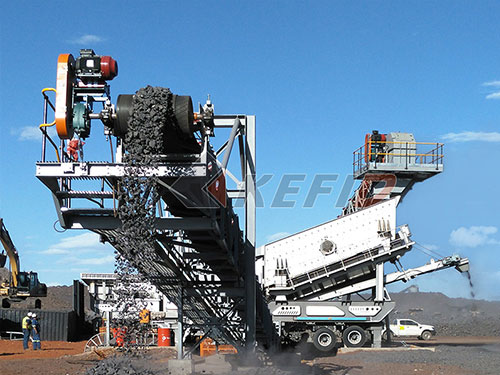
Initial Purchase Price + Cost Installation + Operating Costs Maintenance + Downtime Costs + Residual Value
A higher-quality more reliable plant from reputable OEM might higher upfront cost but deliver significantly lower TCO through:
- Higher availability uptime
- Better fuel energy efficiency
- Lower wear part consumption cost per ton
- Stronger resale value
Therefore discount should never primary deciding factor Instead focus should be on value proposition reliability service support calculating projected cost per ton produced over expected lifespan equipment
Conclusion
The assembly modern stone quarry crushing sophisticated engineering feat requiring meticulous planning execution term “discount” this context multifaceted concept While genuine opportunities exist reduce capital expenditure they must scrutinized carefully True value lies not merely acquiring lowest-priced equipment but investing integrated system delivers lowest cost per ton highest reliability over its operational lifetime Most prudent approach involves partnering with reputable supplier who demonstrates deep understanding specific operational needs offers comprehensive solution backed by robust service network rather than simply presenting discounted price tag Ultimately successful quarry operation built foundation of efficient well-assembled plant smart long-term financial decisions not just short-term savings
