
In the global construction and infrastructure development sectors, the demand for aggregates—crushed stone, sand, and gravel—remains consistently high. At the heart of aggregate production is the Stone Quarry Crushing Plant Assembly Plant. This complex, integrated facility is not merely a collection of machinery but a meticulously engineered system designed to transform raw blasted rock into precisely graded materials. Achieving a competitive price for such a plant involves a nuanced understanding of capital expenditure (CAPEX), operational efficiency, lifecycle costs, and strategic sourcing. This detailed analysis explores the components, assembly considerations, and financial strategies essential for procuring and operating a cost-effective crushing plant.
A modern crushing plant is a multi-stage processing system. Its assembly integrates several key subsystems:
Primary Crushing Station: This is the first point of contact with raw material. Typically featuring a robust jaw crusher or gyratory crusher, its role is to reduce large boulders (often up to 1-1.5 meters in diameter) to manageable sizes (approx. 150-250mm). The choice here—between capital-intensive but highly efficient gyratory crushers versus more flexible jaw crushers—significantly impacts initial cost and long-term throughput.
Secondary and Tertiary Crushing Stages: These stages further refine the material. Cone crushers are standard for secondary crushing, producing well-shaped aggregates. For finer products or manufactured sand, tertiary impact crushers (horizontal shaft impactors – HSIs) or vertical shaft impactors (VSIs) are employed. A competitive design often incorporates closed-circuit systems with screening units returning oversized material for re-crushing, maximizing yield and product specification consistency.
Screening and Classification System: Vibrating screens are the arbiters of product gradation. They separate crushed material into different size fractions (e.g., base course, aggregates for asphalt/concrete, chips). The number of screen decks, their area, and the efficiency of mesh technology directly influence product quality and saleable tonnage.
Material Handling Conveyors: The entire plant is interconnected by a network of belt conveyors. Their design—including belt width, speed, idler type, and transfer point engineering—is critical for minimizing spillage, dust generation, and energy consumption. Poor conveyor design is a common source of operational downtime and maintenance cost.
Power Generation and Distribution: Large plants require substantial electrical power for motors driving crushers, screens, and conveyors. An efficient electrical system with soft starters or variable frequency drives (VFDs) can dramatically reduce energy costs, a major operational expenditure (OPEX).
Dust Suppression and Environmental Controls: Modern quarries must comply with stringent environmental regulations. Effective systems include water spray nozzles at transfer points, foam suppression systems, and in some cases, full baghouse filtration systems. Investing adequately here avoids costly fines and shutdowns.
Control & Automation System: The brain of the operation. A centralized programmable logic controller (PLC) system allows for remote monitoring/control of all processes. Advanced automation optimizes crusher settings based on feed load, manages material flow to prevent choke-feeding or running empty (which damages equipment), and provides vital production data for efficiency analysis.
The term “Assembly Plant” implies a strategic approach to manufacturing.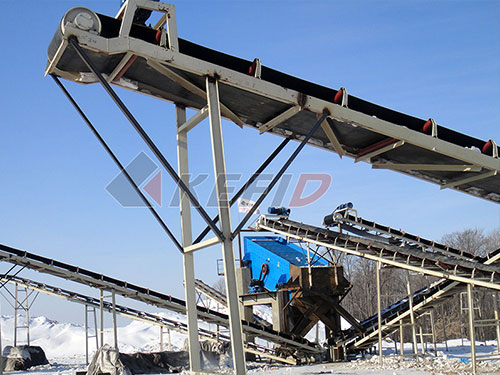
A competitive supplier will offer a hybrid approach,maximizing pre-assembly where possible while retaining
flexibility for site-specific adaptations.
A truly competitive price is evaluated through Total Cost of Ownership (TCO),not just the invoice amount.
Savvy buyers analyze: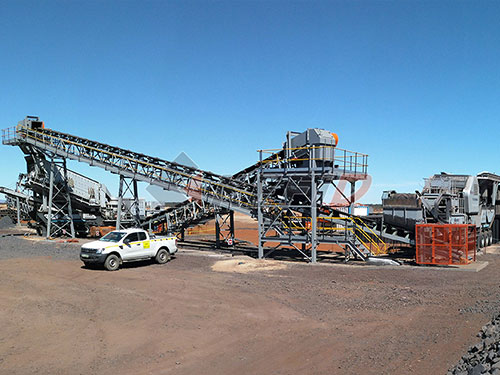
Ultimately,the assembly of astone quarry crushing plant atacompetitive priceis amultivariate engineeringand financial challenge.It requires balancing initial investmentwith long-term productivity.The most competitive plantis not necessarilythe cheapestto buy,butthe most profitableto operate over its lifespan.It achieveslowestcost per tonproducedthrough intelligent design,robust construction,energy thriftiness,and minimal unplanned downtime。
Investingin thorough front-end engineering,demanding transparent lifecycle datafrom suppliers,and prioritizingoperational efficiencyover mere equipment purchase pricearethe keysto unlockingtruevalue。In an industry where marginsare often dictatedby logisticsand operational excellence,the strategic assemblyand procurementof acrushingplant laysthe foundationalstonefor sustainedquarry profitabilityand market competitiveness。
Lorem ipsum dolor sit amet, consectetur adipisicing elit. Consectetur sequi saepe ut sunt eveniet perferendis excepturi, iste obcaecati. Qui tempore hic sed quia soluta obcaecati vel.