The Anatomy of Progress: Deconstructing the Role of a Stone Crushing Plant in Gachibowli’s Development
The skyline of Gachibowli, Hyderabad, is a testament to rapid urban transformation. Dominated by gleaming IT campuses, world-class infrastructure, and sprawling residential complexes, it stands as a symbol of India’s technological ascendancy. However, beneath this facade of digital elegance lies a more fundamental, gritty reality: the indispensable need for raw construction materials. A stone crushing plant in Gachibowli is not merely an industrial facility; it is a critical nexus in the region’s supply chain, a primary producer of the very building blocks upon which modern development is physically founded. This article provides a detailed, objective examination of such an operation—its processes, economic significance, environmental considerations, and its complex relationship with the urban landscape it helps to build.
1. The Core Function: From Bedrock to Building Block
At its essence, a stone crushing plant is a material processing facility designed to reduce large rocks and boulders into aggregates of specific sizes. These aggregates—comprising crushed stone, gravel, sand, and stone dust—are the fundamental ingredients for virtually all construction projects.
The operational workflow can be broken down into systematic stages:
- Primary Crushing: The process begins at the quarry face or a designated receiving area. Large boulders, often sourced from nearby quarries or procured from infrastructure projects that involve excavation (like tunnel boring or foundation digging), are fed into a primary crusher. This machine, typically a jaw crusher due to its high capacity and ability to handle large-sized feed, applies immense compressive force to break the rock down to manageable sizes of around 150-250 mm.
- Secondary and Tertiary Crushing: The output from the primary crusher is then conveyed to secondary crushers, such as cone crushers or impact crushers. These machines refine the material further, focusing on shaping the stones and reducing them to sizes typically between 20-60 mm. For applications requiring very fine or highly cubical aggregates (crucial for high-strength concrete and asphalt), a tertiary crushing stage may be employed.
- Screening: Following each crushing stage, the material passes through vibrating screens. These screens are equipped with meshes of specific sizes that sort the aggregate into different categories—for instance, 40mm aggregate, 20mm aggregate, 12mm aggregate, and so on. Oversized material is recirculated back into the crushers in a closed-loop system to ensure efficiency and product consistency.
- Washing and Beneficiation (Optional): In some plants, especially those producing sand or aggregates for high-specification concrete where silt and clay content must be minimized, a washing plant is integrated. This process uses water to clean the aggregates, removing deleterious materials and ensuring compliance with quality standards.
The final products are stockpiled according to their graded sizes and are ready for dispatch to construction sites across Gachibowli and its adjoining areas.
2. Economic Imperative: Fueling Gachibowli’s Growth Engine
The economic rationale for locating a stone crushing plant in or near an area like Gachibowli is compelling.
- Proximity to Demand: The most significant advantage is logistical efficiency. Gachibowli is perpetually under construction—new office towers, residential apartments road expansions like those connecting to the ORR (Outer Ring Road), metro rail extensions require constant and massive volumes of aggregate. A local plant drastically reduces transportation costs and time delays associated with sourcing materials from distant quarries.
- Cost-Effectiveness: Construction projects operate on tight margins and schedules. The availability of locally produced aggregates provides cost stability and ensures just-in-time delivery capabilities which are critical for project managers.
- Job Creation: While increasingly automated these plants still generate direct employment opportunities for machine operators maintenance crews drivers security personnel administrative staff Furthermore they create numerous indirect jobs in transportation logistics auxiliary services
3. Environmental Externalities: A Necessary Point of Contention
Objectivity demands an unflinching assessment of environmental impacts which form the core of public concern regarding such industrial operations
- Air Pollution: The most prominent issue Dust emissions are generated at multiple points during blasting if applicable loading unloading conveying crushing screening stockpiling Dust composed particulate matter PM10 PM25 can have significant implications air quality respiratory health surrounding populations To mitigate this modern plants employ extensive dust suppression systems including water sprinklers mist cannons enclosures around transfer points baghouse filters dust collectors
- Noise Pollution: Crushing screening operations heavy machinery diesel generators truck traffic generate substantial noise levels This can be major nuisance residential commercial areas potentially leading noise-induced hearing loss workers disturbance local wildlife community Effective mitigation involves acoustic enclosures sound barriers strategic planting trees operating within stipulated hours
- Water Pollution: If washing process used wastewater generated contains high levels suspended solids silt If not managed properly through settling ponds filtration systems can contaminate nearby water bodies soil
- Visual Intrusion Land Use: Stone crushing plant characterized by large machinery conveyor belts stockpiles raw materials often perceived visual blight rapidly modernizing landscape like Gachibowli represents significant consumption land could potentially used other purposes
4. Regulatory Framework Compliance
In India stone crushing plants are regulated under strict environmental laws primarily Air Prevention Control Pollution Act 1981 Water Prevention Control Pollution Act 1974 Environmental Protection Act 1986 Specific guidelines issued Central Pollution Control Board CPCB State Pollution Control Boards mandate: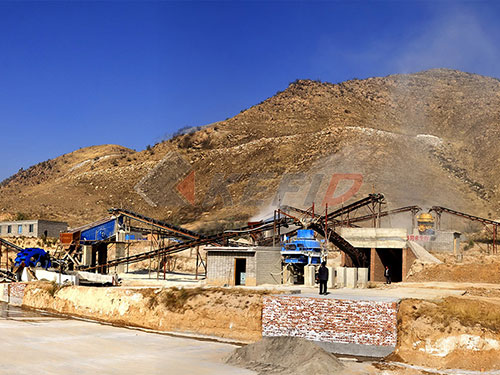
- Siting Criteria: Plants must be located minimum distance away from sensitive zones like national parks wildlife sanctuaries ecologically sensitive areas often specified distances highways residential areas
- Consent Establish Operate: Plants must obtain clearances from SPCB before commencing operations
- Emission Discharge Standards: Strict limits placed particulate matter emissions noise levels wastewater discharge
- Environmental Management Plan EMP: Submission implementation detailed plan outlining mitigation measures monitoring protocols
A compliant modern plant Gachibowli would expected adhere these regulations through investment appropriate technology continuous monitoring
5 The Future Sustainable Coexistence
As urban centers like Hyderabad continue grow demand aggregates will remain insatiable Therefore focus must shift towards integrating these essential facilities sustainably future development plans
Potential pathways include:
- Promoting Cluster-Based Models: Establishing designated industrial zones clusters for such activities outside immediate urban core but within logistical reach can help concentrate manage cumulative environmental impacts more effectively
- Adoption Best Available Technologies BAT: Encouraging mandating use advanced dust suppression systems solar power energy-efficient electric crushers noise-reduction technologies recycled water washing processes
- Landscaping Visual Screening: Integrating plants into landscape through green belts berms tree plantations can significantly reduce their visual impact improve aesthetic integration
- Emphasis Recycling Construction Demolition C&D Waste: Future stone crushing plants could evolve into integrated recycling hubs processing C&D waste produce recycled aggregates thereby reducing pressure on virgin natural resources minimizing landfill waste
Conclusion
A stone crushing plant in Gachibowli embodies paradox modern development It fundamental enabler progress providing literal bedrock upon which district iconic structures stand Yet its operations carry undeniable environmental social costs cannot overlooked Understanding this facility requires holistic view one acknowledges its critical economic role while rigorously addressing its externalities through stringent regulation technological innovation strategic urban planning The challenge for stakeholders—industry regulators community developers—is navigate this complex terrain ensuring that relentless march urbanization does not come at unsustainable cost ecological health livability Ultimately goal should not elimination such essential industries their responsible evolution into cleaner quieter more integrated partners building sustainable future
