The Industrial Backbone: Stone Crushers and Aggregate Production in the Seattle Region
The city of Seattle, Washington, is globally recognized for its stunning natural beauty, dominated by the waters of Puget Sound and the towering peaks of the Cascade and Olympic mountain ranges. It is a hub for technology, aerospace, and maritime commerce. Yet, beneath this modern façade lies a fundamental industrial process that has physically built the city and continues to support its growth: stone crushing. The operation of stone crushers, though often unseen by the public, is an essential component of the region’s construction and infrastructure sectors. This article provides a detailed examination of the role, processes, locations, regulatory environment, and economic significance of stone crushers in the greater Seattle area.
The Fundamental Role of Stone Crushers
Stone crushers are heavy machinery designed to break down large rocks into smaller, specific sizes of aggregate—a collective term for crushed stone, gravel, sand, and slag. This aggregate is the literal foundation of modern civilization. In Seattle’s context, it is used in:
- Concrete Production: Virtually every building, from residential homes to skyscrapers like the Columbia Center, requires concrete, which is primarily composed of cement, water, and aggregate.
- Asphalt Pavement: The extensive network of roads, highways (including I-5 and I-90), airport runways (Sea-Tac), and parking lots relies on asphalt, which is about 95% aggregate.
- Railroad Ballast: The stable foundation for railway tracks upon which freight and passenger trains travel.
- Drainage and Erosion Control: Drainage rock and larger riprap are used in construction sites, shorelines, and stormwater management systems.
- Landscaping and Architectural Applications: Decorative stone for pathways, retaining walls, and other aesthetic features.
Without a consistent local supply of processed aggregate sourced from stone crushing operations within a reasonable hauling distance (typically 30-50 miles for economic viability), the cost of construction in Seattle would be prohibitively high.
Geology Meets Industry: Sources of Material
The geology of the Puget Sound region provides a rich source of raw material for aggregate production. The primary sources include: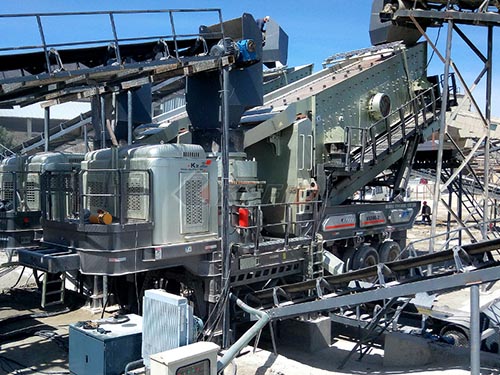
- Glacial Deposits: The entire Puget Lowland was shaped by repeated glaciations. These glaciers left behind vast deposits of sand, gravel, and boulders known as “glacial till” or “outwash.” These unconsolidated materials are often excavated and processed with crushers to create high-quality concrete and asphalt aggregates.
- Bedrock Quarries: For harder, more durable rock required for specific applications like railroad ballast or high-strength concrete quarries are developed in bedrock formations. Common rock types in the area include basaltic andesite from volcanic activity associated with the Cascade Range.
These raw materials are not found uniformly across the urban landscape. Consequently active extraction sites (quarries) are typically located on metropolitan periphery areas such as Duval Snohomish County Monroe Sultan areas to north Maple Valley Black Diamond Enumclaw corridor to southeast These locations represent balance between resource proximity transportation infrastructure minimizing direct impact on dense residential centers
The Crushing Process: From Quarry Face to Finished Product
Stone crushing is not a single event but multi-stage process designed to achieve precise size gradations Here typical workflow at modern stationary crushing plant
- Primary Crushing: The process begins at quarry face where large boulders sometimes several feet diameter are extracted through drilling blasting These massive rocks are transported to primary crusher—typically jaw crusher or gyratory crusher—which applies immense compressive force to break them down fist-sized pieces
- Secondary Crushing: The output from primary stage conveyed secondary crusher such cone crusher or impact crusher These machines further reduce material size while also improving its shape cubical nature desirable for strong durable concrete
- Screening: After each crushing stage material passes through series vibrating screens Particles sorted according size Oversized material routed back through crushers while correctly sized material sent different stockpiles
- Tertiary Crushing Washing: Some applications require even finer specification Tertiary crushing stages may employed produce manufactured sand Washing may also necessary remove fine clay particles dust ensure clean high-quality aggregate
Modern plants highly automated controlled from central booth maximizing efficiency product consistency while minimizing manual labor
Mobile Crushers: Flexibility for Urban Projects
In addition large stationary plants mobile track-mounted crushers play crucial role Seattle’s construction ecosystem These portable units can be transported directly demolition site road project recycling concrete asphalt pavement (RAP)
This offers significant advantages:
- Reduced Transportation Costs: Crushing material on-site eliminates need haul vast quantities demolished concrete landfill then haul new aggregate back project site
- Sustainability: On-site recycling closes loop turning construction demolition waste valuable resource aligning with Seattle strong environmental ethos
- Urban Infill Compatibility: For smaller-scale infill developments tight urban spaces where transporting material long distances impractical mobile crusher provides viable localized solution
Regulatory Framework Environmental Considerations
Operating heavy industrial machinery like stone crushers densely populated environmentally conscious region like Puget Sound necessitates strict regulatory oversight Key agencies regulations involved include
- Puget Sound Clean Air Agency (PSCAA): This regional air quality authority paramount importance Stone crushing generates particulate matter (PM) including PM10 PM2 5 which can pose respiratory health risks PSCAA mandates use dust control measures such water spray systems misting cannons chemical dust suppressants enclosures around transfer points fabric filter baghouses capture emissions Permits required ensure compliance air quality standards
- Washington State Department of Ecology (Ecology): Ecology oversees broader environmental impacts including stormwater runoff from sites Stormwater permits require implementation Best Management Practices (BMPs) prevent sediment contaminated water leaving site entering local waterways crucial protecting salmon habitats Puget Sound itself
- Local County City Permitting: Land use zoning noise ordinances traffic impacts handled through local government jurisdictions King County Snohomish County specific cities have codes dictate where industrial activities allowed operating hours noise limits truck routes mitigate community disruption
Public opposition common when new quarry proposed or existing seeks expand permit Community concerns often center noise increased truck traffic potential property values perceived health risks from dust Successful operations therefore invest significant resources community relations advanced mitigation technologies maintain social license operate
Economic Impact Future Outlook
The stone crushing aggregate industry forms critical though often invisible part regional economy It provides essential raw materials supports thousands jobs directly indirectly—from quarry workers truck drivers equipment mechanics engineers Beyond direct employment enables entire construction industry function representing billions dollars economic activity annually
Looking forward demand crushed stone Seattle likely remain strong driven by
- Major Public Infrastructure Projects: Ongoing expansions Sound Transit light rail system Washington State Department Transportation highway improvements port facility upgrades require immense quantities aggregate
- Urban Development Continued population growth housing commercial development necessitates steady supply building materials
- Resilience Climate Adaptation Projects related sea wall improvements flood control erosion protection will rely heavily crushed rock riprap
However industry faces challenges securing long-term reserves near urban centers due land use pressures environmental regulations Furthermore push towards greater sustainability will likely increase emphasis recycled aggregates innovation lower-emission electric hybrid crushing equipment quieter operational techniques
Conclusion
Stone crushers Seattle far from relic industrial past They dynamic vital component metropolitan infrastructure working tirelessly transform region ancient geology into modern built environment While operations carefully managed balance industrial necessity with environmental stewardship community quality life next time one drives freshly paved highway walks concrete sidewalk or enters steel-glass-concrete tower it worth remembering foundational role played by these powerful machines relentless process turning rock into progress
